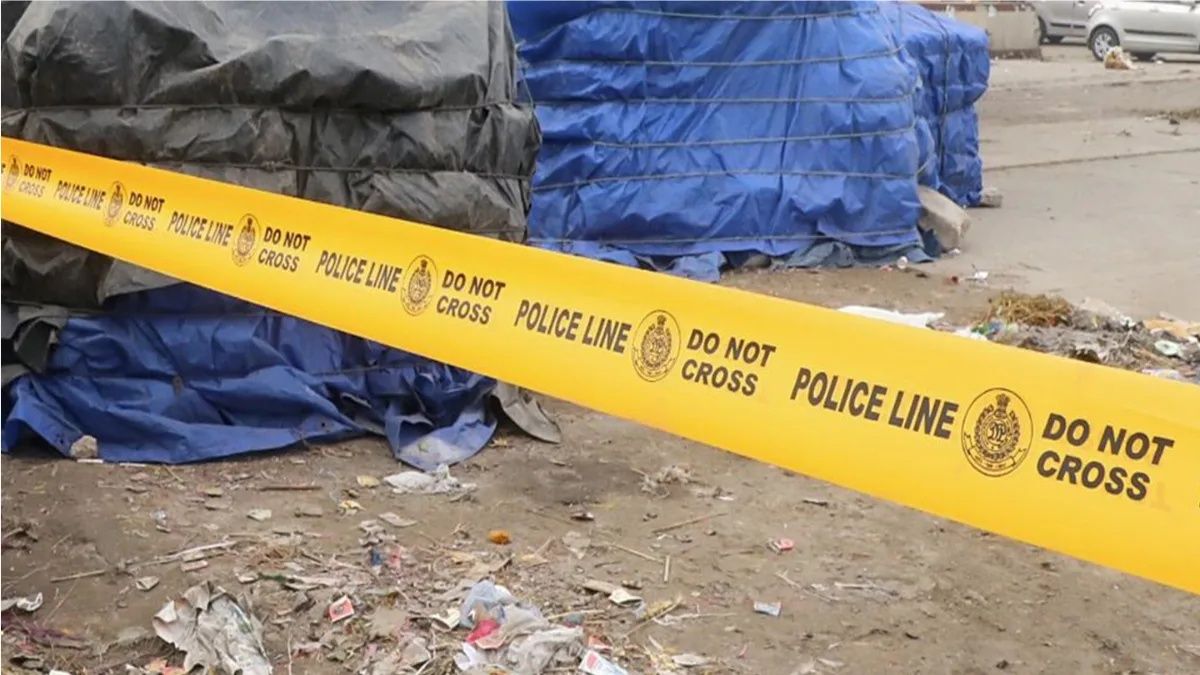
A horrific crime against a child in West Bengal's Baruipur area has ignited dangerous mob violence that exposed the fragility of law and order in the region. On Sunday, July 5, residents of Suryapur in South 24 Parganas discovered the body of a 12-year-old girl packed inside a sack and dumped in a nearby pond, allegedly the victim of gang rape and murder. The discovery prompted an immediate and violent reaction from the community, with hundreds of villagers converging on the scene within hours, demanding swift justice and refusing to cooperate with authorities attempting to secure the crime scene and remove the body for investigation.
According to accounts from the victim's family, the girl had departed her home on Saturday evening with a simple errand—to purchase food from a nearby shop. She never returned. The family alleges that four individuals forcibly abducted her during this outing. An overnight search by family members and neighbours yielded no results until Sunday morning, when her body was discovered floating in the pond. The tragic discovery transformed the grief-stricken community into an agitated mob, setting the stage for hours of confrontation with police and administration.
The community's response rapidly escalated beyond peaceful protest. Within hours of the body's discovery, villagers established roadblocks that lasted nearly five hours, bringing vehicular traffic to a standstill across the region. More significantly, they occupied the railway tracks at Suryapur station on the Sealdah-Namkhana section, disrupting train operations for approximately one hour before police intervention finally restored normal service. These blockades reflected the profound anger and loss of faith in institutional responses to such grave crimes, but also demonstrated how swiftly public grief can transform into threats to public order and essential services.
The situation deteriorated markedly when mob violence claimed a life. A local youth, allegedly seen in the company of some suspects and suspected by residents of involvement in the crime, became the target of the gathered crowd. Despite police attempts to intervene and rescue him, the mob overwhelmed law enforcement and allegedly beat the young man to death. This act of vigilante justice highlighted the dangerous intersection of legitimate public outrage and the absence of restraint or legal process. Police personnel sustained injuries during these clashes, with one officer requiring hospitalisation at a nursing home following the confrontations.
The protests turned increasingly hostile toward law enforcement personnel attempting to manage the situation. Demonstrators reportedly hurled stones at police, damaged vehicles, and resisted attempts to disperse the crowds or secure evidence at the crime scene. The authorities faced a complex challenge: responding to genuine public anger over a serious crime while containing mob violence that itself constituted criminal behaviour. The situation required deployment of substantial police contingents and support from central forces to restore order and prevent further escalation of violence.
Investigators have made progress despite the chaotic circumstances. Police have arrested two persons in connection with the girl's murder, while a third suspect was apprehended by local residents and subsequently handed over to authorities. These arrests represent preliminary steps in what will likely be a complex investigation, though the involvement of mob violence and the alleged lynching of another suspect have complicated the evidence-gathering process and created additional criminal investigations that police must pursue.
Senior police leadership recognised the need to balance accountability with confidence-building. Inspector General of Police (Presidency Range), Kankar Prasad Barui, visited the area and made public statements assuring residents that perpetrators would face maximum legal consequences. He pledged that investigators would leave no avenue unexplored in pursuing justice, whilst also appealing for calm and cooperation with the investigation process. Large police pickets were deployed across the area to deter further violence and maintain order, though the underlying tensions remained evident.
Political leaders at the state level responded swiftly to contain the political fallout and reassure the public. West Bengal Chief Minister Suvendu Adhikari personally contacted the victim's father by telephone on Sunday, offering condolences and assurances that the accused would face the harshest punishment available under law. Adhikari extended an invitation to the grieving father to meet at Nabanna on Tuesday, suggesting a commitment to providing administrative support to the family and demonstrating high-level engagement with the case.
The post-mortem examination proceeded as promised, with the victim's body sent to Baruipur Sub-Divisional Hospital for the procedure to be conducted under proper legal protocols. This step, whilst routine, assumed particular importance given the volatile circumstances surrounding the crime's discovery and the public pressure to move quickly through investigative procedures. The examination results would provide critical forensic evidence for prosecutors building their case.
Police acknowledged they must also investigate the assault on law enforcement personnel during the protests, meaning investigators face parallel inquiries into both the alleged gang rape and murder and the vigilante lynching and attacks on police. This dual investigation reflects the extent to which the original crime has spawned additional lawbreaking that authorities must pursue. The challenge facing investigators and prosecutors involves gathering admissible evidence amid the chaos of mob violence and establishing clear accountability for multiple criminal acts.
The incident underscores persistent vulnerabilities in West Bengal's crime investigation and prevention systems, particularly regarding crimes against children. It also reveals how quickly public outrage, whilst understandable, can transform into dangerous mob violence that itself becomes a threat to social order and undermines legitimate law enforcement. The case will likely test the judicial system's capacity to deliver swift justice whilst maintaining procedural integrity, a test that many in the region fear existing institutions may fail.

