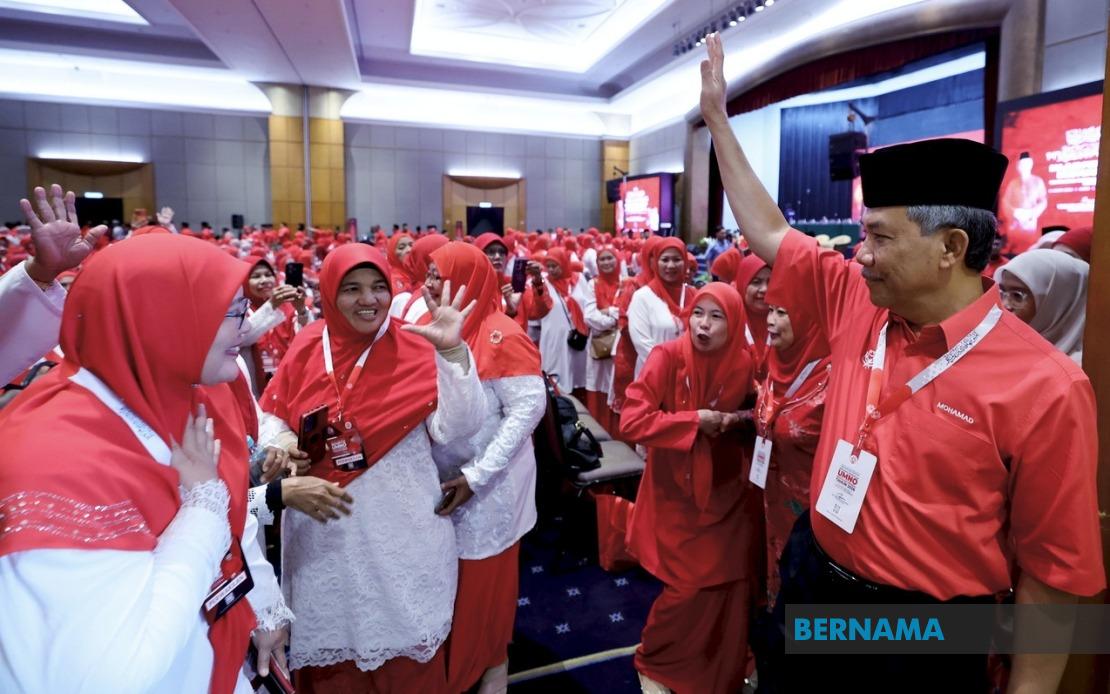
Barisan Nasional is preparing to fundamentally restructure how it distributes parliamentary constituencies among its component parties ahead of the August 1 Negeri Sembilan state election, marking a departure from long-established conventions that have governed seat allocation in the state. BN deputy chairman Datuk Seri Mohamad Hasan announced the strategic shift while officiating the Rembau Division Wanita, Youth and Puteri UMNO Delegates Meeting in Seremban on July 5, signalling the coalition's determination to adapt to a transformed electoral landscape where voter composition has shifted significantly across most constituencies.
The move reflects growing recognition within BN that rigid adherence to historical seat assignments—where specific constituencies were traditionally contested by particular parties regardless of circumstances—has become counterproductive. Mohamad explained that the coalition now recognises how voter demographics have evolved across the state, necessitating a more flexible and responsive approach to candidate placement. Rather than maintaining the inflexible formula where senior parties automatically contested the same seats election after election, BN seeks to leverage its component parties' strengths by allowing them to pursue constituencies where their ground organisation and appeal appear strongest. This calculated repositioning aims to optimise the coalition's electoral performance by matching party capabilities with voter preferences in each area.
The reasoning underpinning this strategic adjustment reveals deeper anxieties within BN about electoral competitiveness. Mohamad articulated a fundamental democratic concern, arguing that the previous rigid system limited voter choice and prevented constituencies from receiving fresh perspectives or renewed engagement from BN representatives. By constraining certain parties to predetermined seats, the coalition inadvertently created complacency among both candidates and voters, potentially undermining electoral enthusiasm. The new approach attempts to revitalise BN's appeal by introducing competition within the coalition itself, forcing component parties to justify their candidacies within specific constituencies rather than relying on historical precedent and seniority to secure nominations.
Implementing this reorganisation poses considerable logistical and political challenges. Mohamad acknowledged that all division heads have received instructions to submit multiple candidate nominations for each contested seat, with a minimum of three aspirants per constituency. This requirement ensures that the BN leadership possesses genuine choice when finalising candidate lists and can select representatives based on their perceived electability and compatibility with local voter sentiment. The compressed timeline adds urgency to deliberations, as BN intends to announce its complete slate of candidates on July 15 during the formal launch of its election machinery, providing only days between the candidate announcement and the July 18 nomination deadline established by the Election Commission.
While Mohamad holds authority over seat distribution within Negeri Sembilan as state BN chairman, ultimate decision-making authority rests with the BN Supreme Council at the national level. This hierarchical structure ensures that strategic considerations beyond Negeri Sembilan's boundaries—including broader coalition dynamics and national political calculations—inform seat allocation. The deference to central authority reflects BN's recognition that state-level decisions can create precedents affecting other state elections and must be coordinated with party headquarters to maintain coalition cohesion. Component party leaders understand that any seat allocation decision must balance regional preferences against national strategic interests.
The electoral timeline compounds the urgency surrounding these decisions. With polling scheduled for August 1, nominations on July 18, and early voting opportunities on July 28, the entire electoral cycle compresses into a remarkably brief window. This condensed schedule means that any post-announcement disputes over candidate selection or seat allocation could destabilise BN's preparations and provide opposition parties tactical advantages. Mohamad's emphasis on completing procedures promptly signals awareness that delays in finalising the candidate roster could undermine campaign momentum during the crucial early stages.
Historical experience informs BN's concern about internal cohesion. Mohamad pointedly reminded party colleagues that several constituencies were lost in previous elections due to sabotage perpetrated by BN members themselves—a delicate reference to the divisions that emerge when candidates contest nominations and lose positions to rivals. The coalition recognises that disappointed aspirants who fail to secure nominations sometimes undermine official candidates, either by supporting opposition parties or by discouraging their supporters from voting for BN representatives. Preventing such internal discord requires careful management of expectations and genuine effort to accommodate competing aspirations within the coalition's structure.
The question of Mohamad's own electoral future adds complexity to these deliberations. Since 2004, Mohamad has represented the Rantau state seat, establishing a substantial tenure in that constituency. His indication that whether he contests Rantau depends on party leadership decisions suggests flexibility regarding his own candidacy, though his long tenure creates expectations that he will remain the BN representative in that area. His willingness to defer this decision to superior party structures demonstrates deference to collective leadership while simultaneously signalling that no seat is truly sacrosanct under the new allocation system—a message intended to encourage other senior figures to embrace flexible positioning as well.
For Malaysian readers observing Negeri Sembilan politics, this strategic recalibration represents a significant acknowledgement that BN's traditional approaches require modernisation to remain competitive. The coalition's flexibility regarding seat allocation—potentially allowing different parties to contest constituencies where their prospects appear stronger—demonstrates adaptation to changing electoral realities where voter loyalty cannot be assumed and demographic shifts demand responsive strategies. This pragmatism contrasts with historical BN operations where seniority and established patterns often trumped electoral merit.
The seat reorganisation also carries implications for component parties within the coalition. Smaller BN partners may perceive opportunities to contest constituencies previously monopolised by UMNO or larger coalition members, potentially enhancing their visibility and voter engagement. Conversely, established parties might lose constituencies they have long considered their electoral fiefdoms, creating resentment that could fester if poorly managed. Successful implementation requires transparent communication about selection criteria and assurance that the process prioritises electoral viability rather than factional advantage.
Southeast Asian electoral analysts will note that BN's willingness to fundamentally restructure seat allocation reflects broader regional trends toward greater intra-coalition flexibility. As voter behaviour becomes less predictable and demographic changes accelerate across the region, political coalitions increasingly recognise that rigid historical arrangements prove insufficient for electoral success. BN's Negeri Sembilan experiment may foreshadow similar adaptations across other Malaysian states and potentially influence coalition strategies throughout Southeast Asia.
The success of this new approach will ultimately be measured on August 1 when Negeri Sembilan voters cast their ballots. Should the reconfigured coalition outperform expectations, other states may adopt similar strategies; conversely, disappointing results could trigger accusations that abandoning traditional allocations created confusion or angered loyal supporters. Either outcome will shape how BN approaches the eventual federal election and positions the coalition for longer-term electoral competitiveness in an increasingly complex Malaysian political environment.

