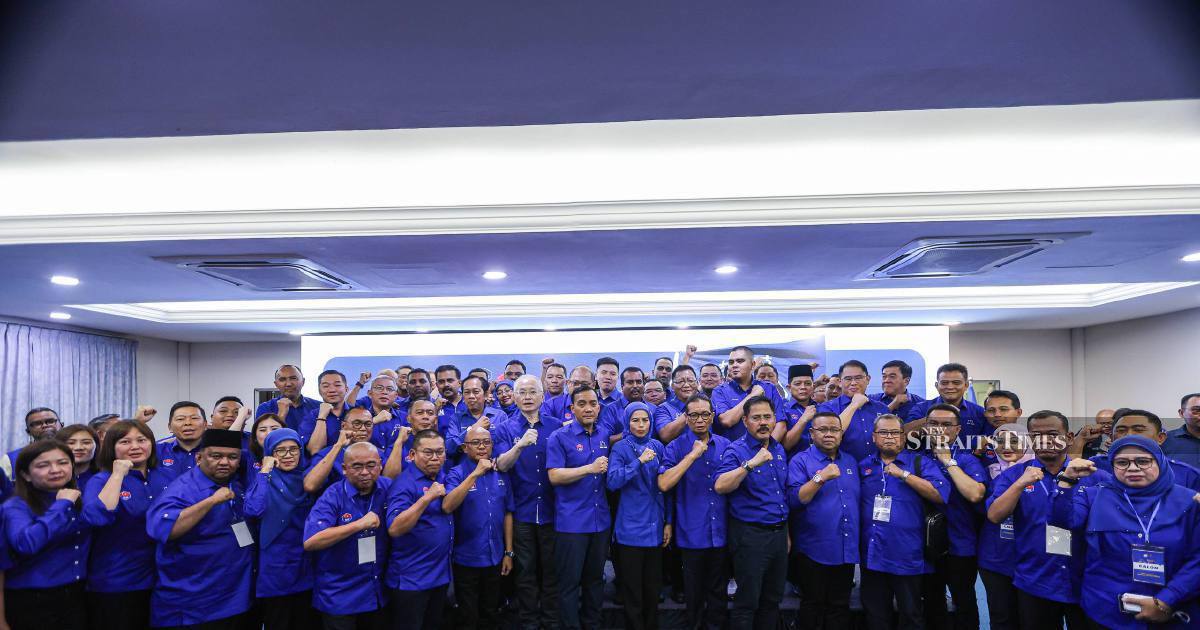
Barisan Nasional's unveiling of its full complement of 56 candidates for the Johor state election on 11 July represents a critical juncture in the coalition's campaign strategy, as it mobilises its organisational machinery across Malaysia's southernmost peninsula state. The announcement, made in Johor Baru, formally concludes months of internal deliberations over candidate selection and sets the stage for an intense period of grassroots campaigning ahead of polling day.
The decision to field 56 candidates indicates that BN is contesting virtually all available state assembly seats in Johor, reflecting confidence in its electoral prospects despite the intensifying competition from opposition coalitions. This comprehensive approach underscores the coalition's determination to maintain its political dominance in a state where BN has historically exercised considerable influence, though recent electoral cycles have demonstrated increasing unpredictability across the peninsula.
Johor's strategic significance for Malaysian politics cannot be overstated. As the second-largest state economy and a bellwether for peninsular political sentiment, its election outcome will reverberate well beyond its borders. The state has consistently served as a barometer for national political trends, and the composition of the new Johor government will inevitably shape calculations in federal politics, including implications for coalition dynamics at the national level. BN's performance here will either strengthen or weaken the coalition's negotiating position in Kuala Lumpur.
The candidate selection process has likely involved intricate negotiations among BN's component parties—UMNO, MCA, MIC, and other allies—each seeking adequate representation to satisfy their grassroots membership and maintain party cohesion. Johor's diverse demographics, encompassing urban centres like Johor Baru and Kota Tinggi alongside rural constituencies, necessitate a carefully balanced roster that can appeal to different voter segments. The ethnic and religious composition of the candidate list will inevitably become a focus of electoral analysis and opposition critique.
With the slate now finalised, individual candidates and party machinery will intensify efforts to establish voter contact and build momentum in their respective constituencies. The three-week campaign period leading to 11 July will see sustained political activity across the state, as parties deploy resources to mobilise supporters and persuade swing voters. Johor's substantial voting population means that ground-level organisation and community engagement will prove decisive factors in determining election results.
The timing of this election within Malaysia's broader political calendar adds another layer of complexity. Held outside of any federal election cycle, the Johor contest will allow parties to test new messaging, campaign techniques, and organisational approaches that may later be deployed at the national level. Conversely, any setbacks BN experiences could prompt urgent reassessment of its broader political strategy and messaging platforms.
Opposition coalitions in Johor—likely centred on PKR, DAP, and their allies—will be formulating their own counter-strategies to challenge BN's dominance. The opposition's ability to present a unified alternative government programme and overcome internal coordination challenges will substantially influence whether voters opt to retain BN or experiment with new political leadership. Recent state elections elsewhere in Malaysia have shown that voter appetite for change remains present, though outcomes depend heavily on local dynamics and candidate quality.
For Malaysian businesses and investors, particularly those with operations in Johor, the election outcome carries practical implications. State government policies affecting infrastructure, licensing, land development, and regulatory frameworks directly influence commercial activity. A change in government could potentially signal shifts in development priorities or business-government relationships, whilst BN continuity might suggest policy stability and predictability.
The economic dimension becomes particularly relevant given Johor's role in the broader ASEAN region. The state hosts significant foreign direct investment, serves as a gateway to Singapore, and participates actively in regional trade and logistics networks. Political stability and effective governance thus matter not merely for local voters but for the broader Southeast Asian economic ecosystem that depends on Johor's continued functionality as a commercial hub.
As BN's candidates embark on their campaigns, they will need to articulate compelling visions for Johor's development, address grievances accumulated under the previous administration, and persuade voters that their party remains best positioned to deliver services and prosperity. The substance of campaign messaging—whether emphasising development accomplishments, economic opportunities, or social welfare programmes—will reveal BN's strategic assessment of voter priorities and vulnerabilities.
The 11 July election will ultimately be decided not by candidate lists or party organisational charts, but by voters evaluating competing visions for Johor's future. BN's 56 candidates represent the coalition's bet that its brand, experience, and proposed policies resonate sufficiently across diverse constituencies to secure another term of state administration. Whether this roster proves adequate to that task will become clear on election day.