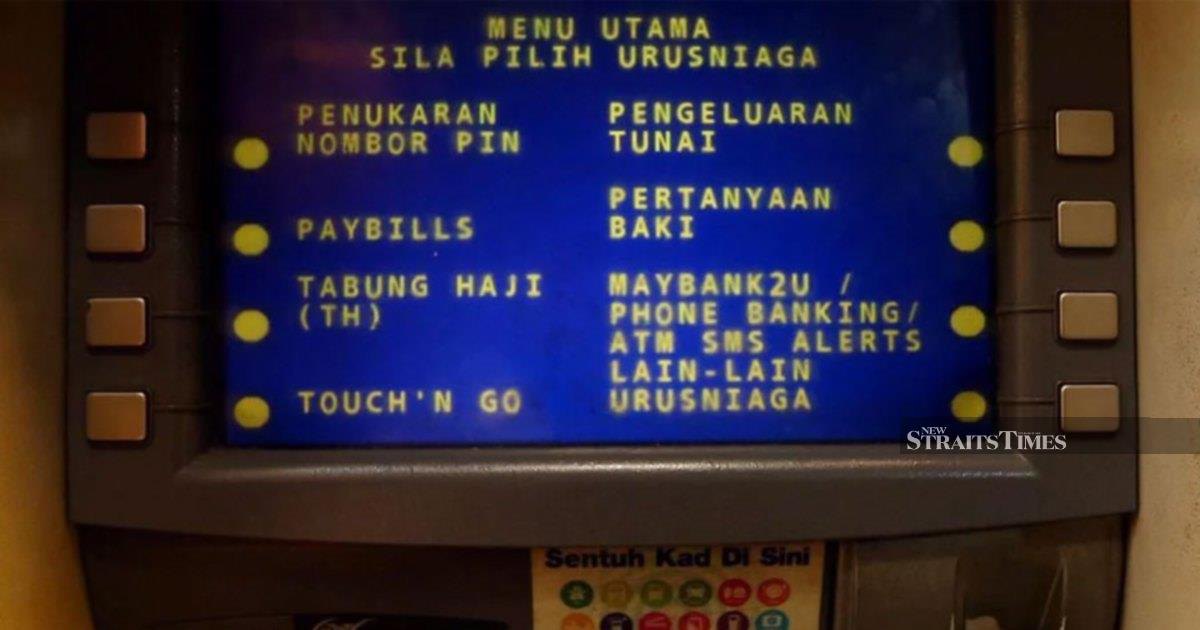
Malaysia's financial regulator is stepping up enforcement against banks continuing to charge customers interbank transaction fees, with Communications Minister Datuk Fahmi Fadzil encouraging affected individuals to escalate complaints directly to Bank Negara Malaysia. The push highlights growing frustration over charges that many customers encounter when using ATMs operated by banks other than their own, despite existing regulatory guidance intended to streamline such transactions.
The RM1 interbank fee has long been a source of consumer irritation in Malaysia's banking sector. When account holders withdraw cash from another bank's ATM network, they traditionally face this charge in addition to any fees imposed by their own financial institution. The cumulative effect on regular users can be substantial, particularly for those relying on cash withdrawals for daily transactions and lacking convenient access to their bank's own machines.
Bank Negara's renewed focus on this issue reflects broader regulatory concerns about customer protection and fee transparency within the banking system. The central bank has previously issued guidance aimed at reducing unnecessary charges that affect consumer financial behaviour and household budgets. The encouragement for customers to file formal reports suggests that voluntary compliance from financial institutions may have been incomplete, necessitating a more direct enforcement approach.
The regulatory landscape surrounding ATM charges in Malaysia operates within a framework designed to balance operational costs with consumer accessibility. Banks have legitimate expenses associated with maintaining ATM networks, processing interbank transactions, and managing liquidity across their systems. However, regulators have increasingly questioned whether these operational justifications fully warrant the fees passed directly to customers, particularly when technological systems have become more efficient over the past decade.
For Malaysian consumers, understanding where and when these charges apply is crucial for managing everyday banking costs. The charges accumulate quietly but significantly over a year—a person withdrawing cash twice weekly from non-affiliated ATMs could easily pay RM100 or more annually. This seemingly small recurring expense disproportionately affects lower and middle-income households who rely heavily on cash-based transactions and may have limited choice in ATM access depending on their geographic location.
The appeal for formal complaints serves a dual purpose in regulatory enforcement. First, it creates a documented record of persistent non-compliance, providing Bank Negara with concrete evidence if enforcement action becomes necessary. Second, it sends a clear signal to the banking industry that customer grievances are being monitored and taken seriously. Banks aware of systematic reporting may feel increased pressure to align their practices with regulatory expectations without requiring formal sanctions.
This development also reflects the broader tension between digital transformation and cash reliance in Malaysia's economy. While the financial sector continues promoting cashless payments, a significant portion of the population still depends on physical currency for transactions. Barriers to convenient, affordable cash access—such as interbank ATM fees—can inadvertently slow adoption of digital financial services by frustrating customers with limited alternatives.
The timing of this regulatory emphasis comes as Bank Negara continues pursuing broader financial inclusion objectives. Excessive ATM fees can effectively exclude lower-income Malaysians from convenient banking services, pushing some towards informal financial channels or reducing their engagement with formal banking altogether. From this perspective, fee reduction becomes a financial inclusion issue as much as a consumer protection one.
Regional context matters here too. Other Southeast Asian markets have grappled with similar ATM fee challenges, with some imposing stricter regulations on interbank transaction charges. Malaysia's regulatory approach will influence how competitive and accessible the banking sector remains compared to neighbouring countries, potentially affecting regional competitiveness in digital financial services development.
For banks themselves, the regulatory pressure presents a strategic crossroads. Some may view fee reduction as a loss leader—accepting lower revenue from ATM transactions in exchange for broader customer loyalty and reduced regulatory friction. Others may argue that genuine operational efficiencies must be achieved before fees can be substantially reduced without compromising service quality or network expansion.
The mechanism for reporting complaints through Bank Negara is typically available via the central bank's consumer complaint portal or directly through its operations department. Customers documenting specific dates, amounts, and ATM locations strengthen regulatory investigations and provide clearer patterns of non-compliance. Each report contributes to the statistical evidence Bank Negara uses in assessing sector-wide compliance with guidance.
Moving forward, the outcome of this enforcement initiative could reshape how Malaysian banks structure their ATM fee regimes. Should Bank Negara pursue formal sanctions against institutions persisting with full RM1 charges, it could establish a precedent encouraging broader fee reductions across the sector. Conversely, if banks can demonstrate legitimate operational constraints, the regulator may pursue more calibrated approaches such as fee reductions rather than complete elimination.
Ultimately, Datuk Fahmi Fadzil's public endorsement of the reporting mechanism represents Bank Negara's commitment to translating regulatory guidance into actual consumer benefit. The effectiveness of this approach will depend on consumer response, bank cooperation, and the central bank's demonstrated willingness to follow through with consequences for sustained non-compliance.

