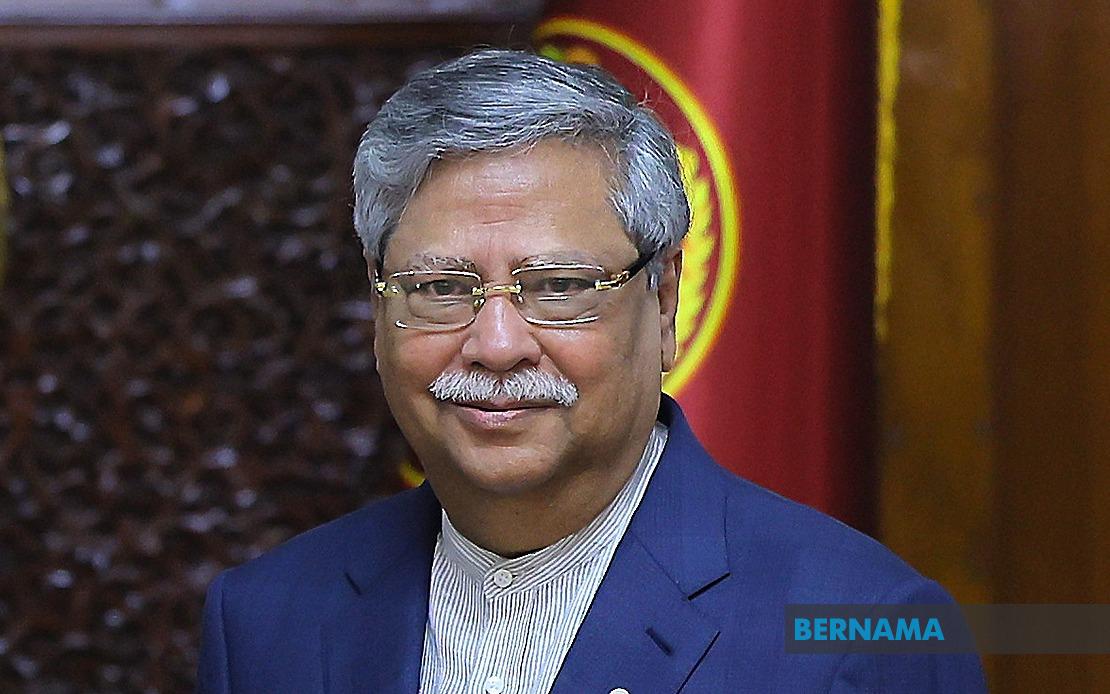
Bangladesh is set to hold a presidential election during its parliamentary session scheduled for September, according to Law Minister Md Asaduzzaman. The announcement comes following the resignation of President Mohammed Shahabuddin, who cited serious health concerns as the reason for stepping down from the nation's highest constitutional office. Speaker Hafiz Uddin Ahmad has assumed the presidential functions pending the election of a successor, a move confirmed by the Parliament Secretariat in compliance with Bangladesh's constitutional framework.
The constitutional requirement mandates that a presidential election must take place within 90 days of the incumbent's departure from office. Given that Shahabuddin submitted his resignation letter to the Speaker, the timeframe for conducting the election has already begun to run. Parliament's second session concluded on July 15, and constitutional provisions require that the third session be convened no later than September 14. This timeline creates a window for both the session to commence and the presidential ballot to occur within the prescribed period.
Under Bangladesh's constitutional architecture, members of parliament serve as the exclusive electorate for presidential elections, a distinction that fundamentally shapes the political dynamics surrounding the selection process. This arrangement concentrates electoral power within the legislative body, meaning the outcome is largely predetermined by the parliamentary composition and party discipline within the chamber. The president in Bangladesh's system functions as a constitutional figurehead with ceremonial responsibilities rather than as the chief executive, with executive authority residing with the Prime Minister.
Prime Minister Tarique Rahman's Bangladesh Nationalist Party holds a commanding majority in the current parliament, positioning it to effectively determine the outcome of the upcoming presidential election. Political observers widely anticipate that the BNP's nominee will secure the presidency, given the party's numerical dominance in the legislative chamber. This expectation reflects the straightforward mathematics of parliamentary voting, where a majority party can typically secure its candidate's election provided party unity remains intact during the ballot.
Shahabuddin's health-related departure marks a significant transition in Bangladesh's political leadership structure. His decision to resign rather than attempt to continue in office despite illness reflects a departure from political contests over authority. The peaceful transfer of constitutional functions to the Speaker, rather than any contested scenario, demonstrates adherence to established constitutional procedures during a transition period.
The September parliamentary session will carry considerable weight beyond the routine legislative agenda, as it will address this critical constitutional matter. The convening of parliament within the mandated two-month window from mid-July provides the necessary framework for both fulfilling legislative responsibilities and conducting the presidential election. This procedural alignment reflects the interconnectedness of Bangladesh's constitutional mechanisms.
For regional observers, the orderly management of presidential succession in Bangladesh reflects institutional stability, even as the nation has experienced significant political turbulence in recent years. The adherence to constitutional timelines and procedures suggests that formal democratic institutions retain meaningful authority in shaping political transitions. The process contrasts with scenarios in other South Asian democracies where constitutional procedures have been circumvented or challenged during leadership transitions.
The concentration of presidential electoral power within parliament, rather than through direct popular election, remains a distinctive feature of Bangladesh's constitutional design. This arrangement creates a governance model where parliamentary strength translates directly into control over the presidency, reinforcing party-based political organization. The upcoming election will reaffirm this principle through the BNP's anticipated selection of its preferred candidate.
The timing of Shahabuddin's resignation and the September election schedule also intersects with broader patterns of political activity in South Asia, where the monsoon season and holiday periods sometimes affect parliamentary schedules. The September session timing accommodates both constitutional requirements and practical parliamentary operations. Bangladesh's political calendar thus reflects the interplay between formal constitutional requirements and the practical realities of conducting parliamentary business.
For Malaysian readers, the Bangladesh situation illustrates how Commonwealth-influenced constitutional frameworks shape executive selection across South Asia. While Malaysia employs different mechanisms for selecting its federal leadership, the principles of constitutional succession and parliamentary roles in governmental selection remain relevant comparative reference points. The orderly nature of Bangladesh's transition, despite the unexpected health circumstances prompting it, demonstrates the importance of established constitutional procedures in maintaining institutional continuity.

