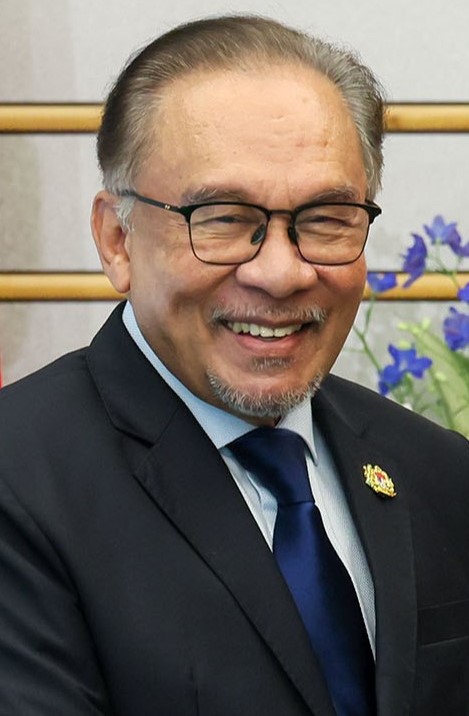
Bangladesh Prime Minister Tarique Rahman has signalled his administration's determination to forge a closer working relationship with Malaysia as he departed Kuala Lumpur following his inaugural state visit as premier. The diplomatic mission, which concluded on Monday, underscored both nations' shared interest in strengthening institutional frameworks and people-to-people exchanges that have historically characterised their bilateral engagement. Through a statement released via the Bangladesh Ministry of Foreign Affairs, Rahman articulated a vision of partnership extending across economic, cultural, and diplomatic domains.
The Bangladeshi leader's visit marked a significant milestone in contemporary Malaysia-Bangladesh relations, providing an opportunity for substantive dialogue on mutual concerns and opportunities for cooperation. Rahman's itinerary included formal meetings with Prime Minister Datuk Seri Anwar Ibrahim, whose administration has consistently prioritised strengthening ties with neighbouring nations in South Asia. The exchanges during the visit are understood to have explored concrete mechanisms for deepening engagement, particularly in areas where complementarities exist between the two economies and societies.
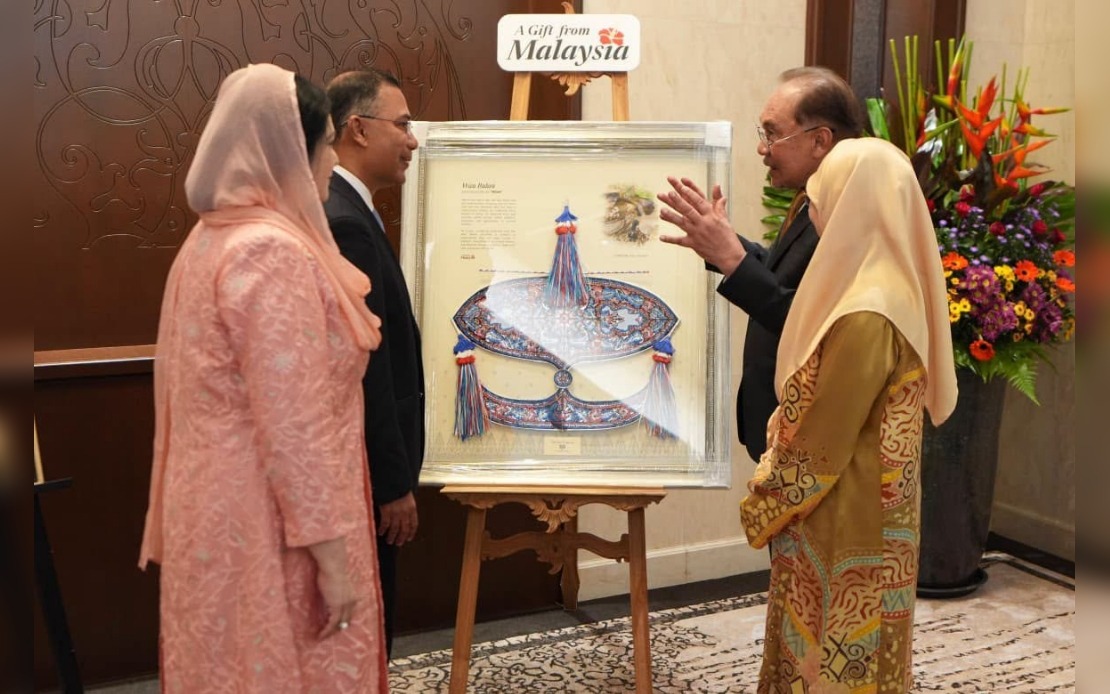
In his concluding remarks, Rahman extended personal appreciation to Prime Minister Anwar Ibrahim and his wife Datuk Seri Dr Wan Azizah Wan Ismail for their ceremonial reception and the generous hospitality extended to the Bangladesh delegation. This gesture underscores the importance placed by Dhaka on ceremonial protocols and the symbolic weight attached to high-level diplomatic visits. The warmth of the reception reflects Malaysia's longstanding commitment to fostering regional partnerships within ASEAN's extended neighbourhood and beyond.
Rahman emphasised that Bangladesh places considerable value on both bilateral interactions and multilateral frameworks that unite Malaysia and Bangladesh. He highlighted the significance of interpersonal connections spanning diverse sectors—from business and trade to education, culture, and civil society—noting that these networks constitute the bedrock upon which official relations are constructed. Such people-centric diplomacy resonates particularly strongly in Malaysia, where significant Bangladeshi communities have established themselves and contributed to local economies and society.
The premier also acknowledged the historical foundations underpinning contemporary ties, referencing his father Shaheed President Ziaur Rahman's presidency and his mother Begum Khaleda Zia's tenure as Bangladesh Prime Minister. These references to familial political legacies implicitly underscore the continuity of Bangladesh's foreign policy approach and suggest that contemporary engagements with Malaysia represent an extension of long-established diplomatic traditions. This historical consciousness provides important context for understanding how Bangladeshi leadership approaches international partnerships.
Rahman's discussions with Anwar reaffirmed deeper dimensions of bilateral relationship, moving beyond transactional engagements to encompass shared strategic interests. Both nations face comparable developmental challenges and opportunities within the context of regional geopolitical dynamics, climate change impacts, and economic integration imperatives. The emphasis on enduring bonds suggests recognition that Malaysia-Bangladesh partnership possesses inherent resilience and scope for evolution as both societies modernise and their respective capacities expand.
The Bangladeshi delegation's visit also included formal courtesy with Malaysia's Sultan Ibrahim, King of Malaysia, whose blessing and personal engagement carry significant symbolic import in Malaysian diplomatic protocols. Rahman's expression of gratitude for the King's time and warmth reflects understanding of Malaysia's constitutional monarchy system and the importance of royal endorsement for state-level partnerships. Such gestures acknowledge the multifaceted nature of diplomatic engagement in Malaysia, encompassing both executive and constitutional dimensions.
From a regional perspective, Rahman's maiden state visit assumes significance amid evolving geopolitical configurations in South Asia and Southeast Asia. Bangladesh, as South Asia's most economically dynamic nation in recent decades, represents an increasingly important actor in regional affairs. Malaysia's engagement with Bangladeshi leadership reflects Kuala Lumpur's strategic interest in maintaining active partnerships with dynamic economies and emerging powers within its extended regional sphere.
The emphasis on multifaceted partnership language suggests potential expansion beyond traditional bilateral cooperation into areas including defence, maritime security, investment promotion, and cultural exchanges. Bangladesh's strategic location connecting South and Southeast Asia renders it valuable for Malaysian interests in regional stability and economic integration. Conversely, Malaysia's advanced institutional development and investment capabilities offer beneficial models and opportunities for Bangladeshi stakeholders seeking international partnerships.
The visit's timing and tenor indicate both governments' confidence in relation trajectory and willingness to invest political capital in deepening institutional connections. As both nations navigate complex regional dynamics and global economic uncertainties, strengthened Malaysia-Bangladesh ties contribute to broader architecture of regional cooperation and stability. Rahman's commitment to sustained engagement with Anwar Ibrahim signals continuity and progress in a partnership that reflects both nations' aspirations for prosperity, development, and regional harmony.