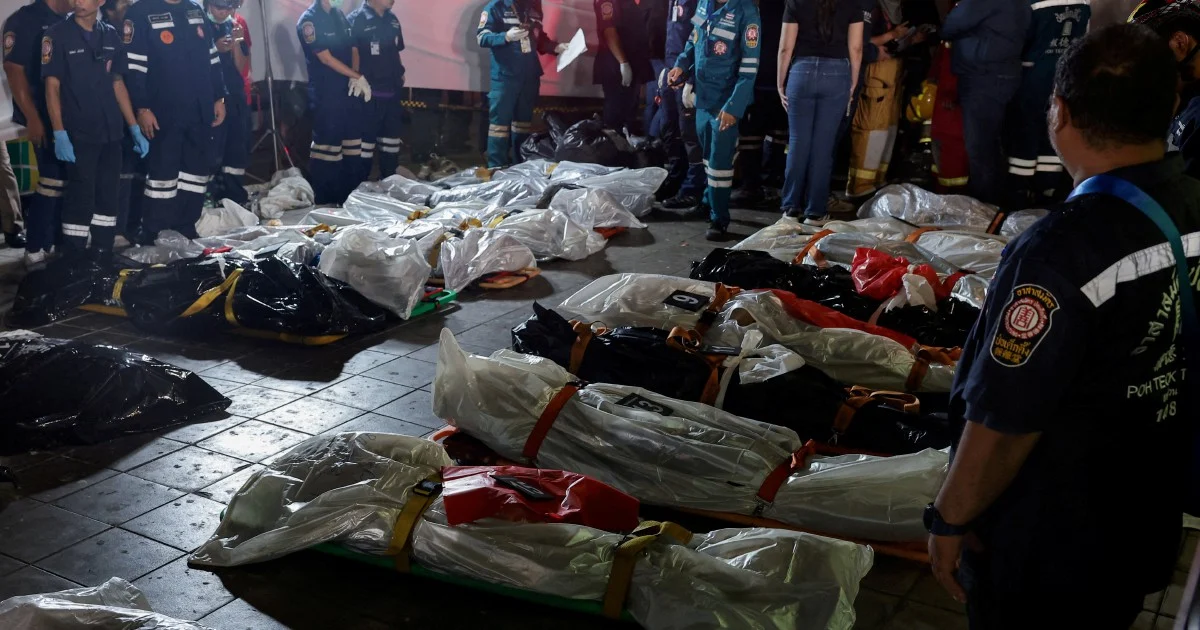
A catastrophic fire tore through a crowded bar in Bangkok on Sunday evening, claiming at least 27 lives and drawing immediate responses from Thailand's top officials. Prime Minister Anutin Charnvirakul confirmed the mounting death toll to journalists, signalling the severity of what has emerged as one of the Thai capital's most devastating nightlife disasters in recent memory.
The incident underscores the persistent risks faced by patrons of Thailand's vibrant but often inadequately regulated entertainment venues. Bangkok's thriving bar and nightclub sector, which caters to both locals and the city's substantial tourist population, operates against a backdrop of enforcement challenges and safety concerns that have repeatedly surfaced following major incidents. Sunday's tragedy will almost certainly reignite debate among Thai authorities and safety advocates about building standards, emergency exits, capacity limits, and inspection protocols across the hospitality industry.
Thailand has experienced several major nightlife fires over the past two decades, each prompting pledges of reform but often followed by limited systemic change. The concentration of such venues in densely packed entertainment districts, combined with recurring questions about fire safety compliance and regular capacity breaches, creates an environment where large loss-of-life incidents remain a genuine risk. Investigators will likely focus on the bar's layout, occupancy levels at the time of the fire, operational safety measures, and the speed of emergency response.
The exact circumstances triggering Sunday's fire remain under investigation, though authorities typically examine factors including electrical systems, cooking equipment, smoking materials, and structural integrity when examining such incidents. Initial responders faced the inherent challenges of extracting people from a bar environment where visibility would have been severely compromised by smoke, exits may have been obscured or blocked, and patron panic could have compounded the tragedy.
For Malaysia and other Southeast Asian nations with similar entertainment sectors, the Bangkok incident serves as a cautionary reminder about the importance of rigorous fire safety enforcement. Malaysian venues operating under the Kuala Lumpur Fire and Rescue Department's oversight, along with similar authorities across the region, will likely scrutinise their own compliance frameworks in light of this catastrophe. The economic importance of tourism and hospitality to the region's economies can sometimes create pressure to overlook safety considerations, a tension that Sunday's death toll makes impossible to ignore.
Prime Minister Anutin's immediate public confirmation of the death toll reflects the gravity Thai leadership places on the incident, though coordination between emergency services, hospitals, and government officials to establish an accurate count often takes days. Medical facilities across Bangkok would have been overwhelmed receiving casualties, complicating both treatment and casualty identification. The psychological impact on survivors and first responders, alongside the logistical challenges of managing a mass casualty event, will extend far beyond the initial emergency response period.
Thailand's tourism industry, which generates substantial foreign exchange and employment, frequently faces international scrutiny regarding safety standards. This fire, depending on its investigation outcomes, could influence travel advisories and tourist confidence, particularly among visitors from Australia, Western Europe, and other markets sensitive to safety concerns. Hospitality operators across Thailand may face pressure to demonstrate enhanced safety measures and compliance with regulations.
The incident inevitably raises questions about inspection frequency and enforcement severity across Bangkok's estimated hundreds of bars, karaoke lounges, nightclubs, and entertainment establishments. Thai regulatory agencies tasked with overseeing these venues often face resource constraints, and corruption in the inspection process has historically been documented. Strengthening oversight mechanisms without stifling a vital economic sector represents an ongoing policy challenge.
For the immediate aftermath, Thai authorities will coordinate victim identification, support for bereaved families, investigation into root causes, and any necessary adjustments to public safety protocols. International attention to Sunday's tragedy will likely intensify scrutiny of building and fire safety practices not only in Bangkok but across Thailand's major entertainment districts. Regional governments, mindful of their own hospitality sectors and public safety obligations, may use this incident as an impetus for reviewing their own enforcement frameworks and facility standards.
The human dimension of this tragedy—the individual lives lost, families devastated, and survivors traumatised—underscores why fire safety cannot be treated as a bureaucratic formality in any sector. Thailand's response over coming weeks, from investigation transparency through to any legislative or enforcement reforms, will reflect whether this incident prompts meaningful change or remains another tragedy absorbed into the historical record without systemic improvement.

