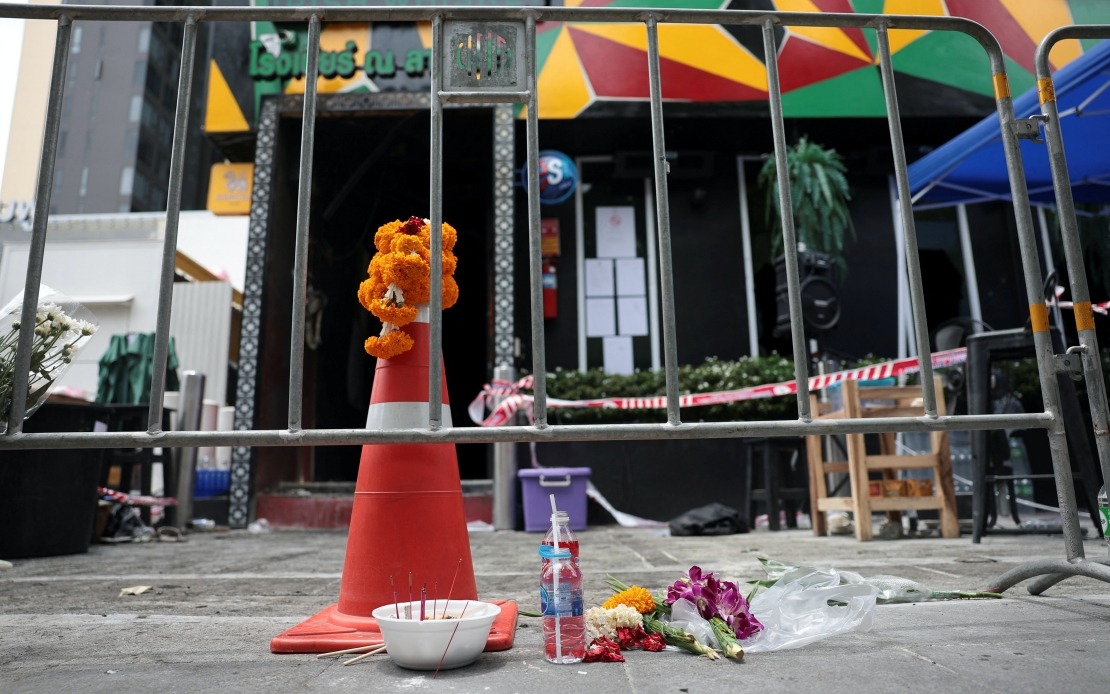
The death toll from Monday's devastating fire at a Bangkok entertainment venue has been definitively linked to asphyxiation caused by toxic gases, according to findings released by Thai police on Thursday. The Metropolitan Police Bureau Commissioner Police Lieutenant General Sayam Boonsom revealed that forensic examinations showed none of the 33 fatalities resulted directly from exposure to flames. Instead, victims lost consciousness and died after breathing in lethal concentrations of carbon monoxide and cyanide, gases that prevent body tissues from absorbing oxygen and can prove fatal within minutes of inhalation.
The blaze erupted at the bar in Lat Phrao district shortly after midnight on Monday, creating a crowded and chaotic scene in the establishment that was packed with customers. Beyond the 33 confirmed deaths, the incident left more than 70 people injured and requiring medical attention. As of Thursday, medical teams were still providing intensive care to 14 survivors, while 44 others had already been discharged from hospitals across Bangkok following treatment for burn injuries, smoke inhalation, and trauma.
For Malaysian readers familiar with venue safety concerns in shopping malls and entertainment districts across Kuala Lumpur and other major cities, the Bangkok incident underscores the critical importance of rigorous fire safety compliance and emergency preparedness protocols. The prevalence of toxic gas production during structural fires—particularly when certain building materials ignite—represents a hazard that transcends national borders and demands attention from safety regulators across Southeast Asia.
Police have not yet filed formal charges, but investigators are actively preparing to pursue multiple legal avenues. Among the anticipated prosecutions are charges related to causing death and injury through negligence, conducting unauthorised structural modifications to the building, and negligently allowing a fire to occur. Additional charges may address breaches of entertainment venue regulations, with particular scrutiny on whether the premises had operated beyond the permitted scope of its liquor licence or breached other regulatory requirements.
The investigation has progressed methodically, with forensic officers completing their initial examination of the fire scene while ongoing inquiries focus on determining the underlying cause. Police are examining several potential triggers for the blaze, including electrical faults within the building's infrastructure and deliberate safety violations. Specific areas of concern include unauthorised alterations to the building's physical structure, obstruction of emergency exits that would have allowed patrons to evacuate safely, and possible non-compliance with fire codes and safety standards.
Investigators have already conducted preliminary interviews with over 106 witnesses, including survivors, staff members, nearby residents, and emergency responders who attended the scene. These testimonies are helping authorities reconstruct the sequence of events leading to the fire's outbreak and understand how the blaze spread so rapidly through the venue. The scale of the witness inquiry reflects the complexity of determining liability and establishing a clear causal chain linking specific violations to the tragic outcome.
The regulatory landscape governing entertainment venues in Thailand, like similar frameworks across Southeast Asia including Malaysia, typically mandates comprehensive safety measures including clearly marked emergency exits, functional fire suppression systems, regular safety inspections, and staff training in evacuation procedures. The Bangkok incident suggests potential lapses in enforcement or compliance with such requirements, raising questions about how thoroughly authorities monitor high-risk venues and whether penalties for violations are sufficiently stringent to incentivise compliance.
The toxic gases identified in victims' bodies—carbon monoxide and cyanide—are often byproducts of fires involving synthetic materials, furnishings, and building components commonly found in modern commercial spaces. Carbon monoxide is a colourless, odourless gas that binds to haemoglobin more readily than oxygen, effectively suffocating victims from the inside. Cyanide, similarly, prevents cells from utilising oxygen, creating a rapid and lethal cascade of physiological failure. The combination of these two toxins in a confined space with limited ventilation and blocked exit routes created conditions that proved overwhelmingly dangerous within minutes.
For venue operators and regulators across Malaysia and the broader region, the Bangkok case presents a sobering reminder that fire safety extends far beyond simply having functional firefighting equipment. Structural integrity, maintenance of clear evacuation routes, proper electrical installation and regular inspection, and the careful selection of fire-resistant materials all contribute to survival outcomes during emergencies. The tragedy also highlights how quickly entertainment venues can become death traps when patrons are prevented from escaping and toxic smoke accumulates.
The investigation's focus on unauthorised building modifications carries particular significance, suggesting that the venue may have undergone alterations that compromised its safety design or that such changes were made without proper permits or engineering review. In many Southeast Asian cities, informal modifications to commercial spaces—such as adding partition walls, reducing exit pathways, or installing decorative elements that obstruct egress—are occasionally undertaken to maximise revenue space or aesthetic appeal without accounting for safety implications.
As police prepare their prosecution strategy, the case will likely establish important legal precedents regarding corporate and individual liability in venue disasters. The charges under consideration represent a tiered approach: negligence charges target those responsible for operations and maintenance, structural modification charges address those who authorised unauthorised work, and licensing breach charges focus on regulatory non-compliance. This multi-faceted prosecutorial approach aims to hold accountable not only immediate operators but also any third parties who contributed to unsafe conditions.
The incident serves as a critical case study for safety regulators, insurance companies, and venue operators throughout Southeast Asia. Malaysian authorities managing nightlife districts in Kuala Lumpur's Bukit Bintang, Petaling Jaya's establishments, and other entertainment hubs would benefit from examining the Bangkok findings and ensuring their own enforcement mechanisms are sufficiently robust. Regular unannounced inspections, mandatory fire safety training, and significant penalties for violations represent standard best practices that can prevent similar tragedies.

