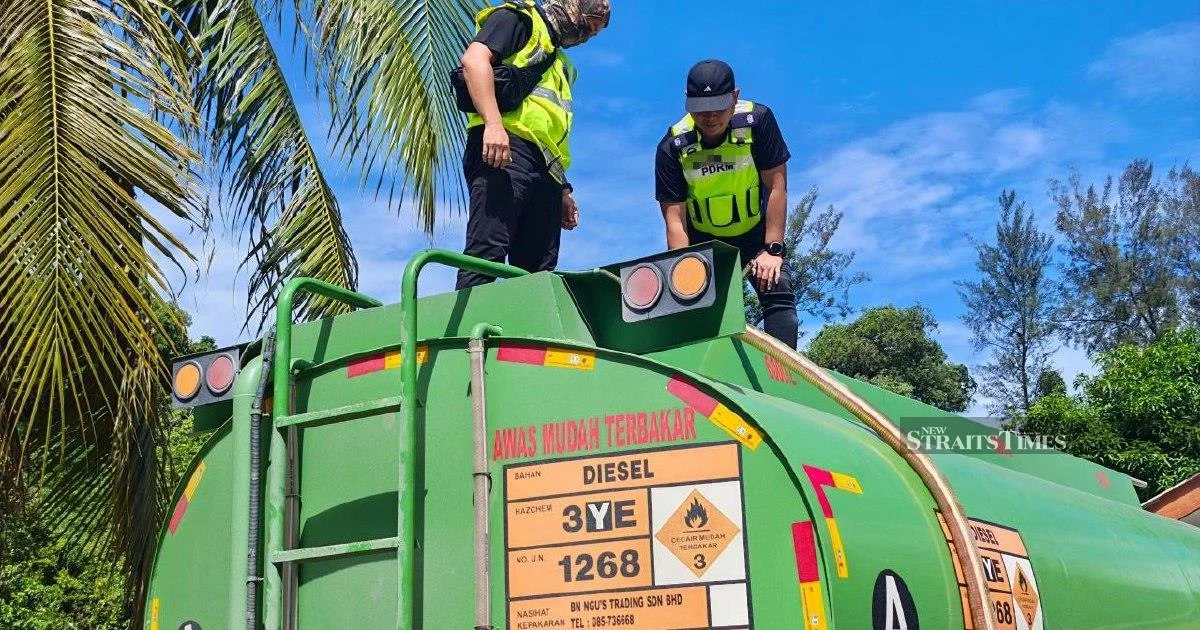
Police in Miri have successfully disrupted a major diesel smuggling syndicate operating from a hidden facility in the Tanjung Lobang area, recovering a substantial fuel cache and apprehending four individuals in connection with the scheme. The operation, which capitalised on Malaysia's fuel subsidy system, represents the kind of illicit activity that has persisted across Sarawak and Sabah, where geographical isolation and porous borders create opportunities for diversion networks to flourish with relative impunity.
The discovery of the clandestine depot marks a significant enforcement success in addressing fuel diversion, a crime category that strains state resources and undermines the government's subsidy programme. Subsidised diesel, typically priced substantially below market rates, becomes an attractive target for criminal syndicates that divert supplies meant for domestic consumption and redistribute them through informal channels or across borders. The 15,000 litres recovered in this operation suggests the facility had been operating long enough to accumulate considerable inventory, indicating the scheme may have been running undetected for a meaningful period.
The location in Tanjung Lobang, an industrial and port area of Miri, provides critical insight into how such operations typically function. Proximity to maritime infrastructure facilitates both the acquisition of diverted fuel and its subsequent transportation, whether by boat to Brunei or Indonesian waters or through overland routes. These strategic positioning choices demonstrate the sophisticated logistical planning behind such enterprises, which often involve networks spanning multiple municipalities and even international borders.
Fuel subsidy abuse represents a persistent challenge across Malaysia, with documented cases highlighting the vulnerability of distribution chains. The system depends on legitimate retailers and transporters to honour purchasing restrictions and resale prohibitions, yet enforcement gaps create openings for criminals. State governments have periodically intensified anti-diversion campaigns, recognising that leakage from the subsidy system directly impacts fiscal outcomes and distorts legitimate market competition.
The four detainees now face investigation under relevant provisions addressing fuel smuggling and subsidy fraud. Prosecutorial outcomes in such cases typically depend on establishing the commercial scale of the operation, evidenced partly through the recovered fuel volume and any documentation seized. Sentences in comparable cases have ranged from imprisonment to substantial fines, though outcomes vary significantly depending on individual culpability and whether organisers versus operatives face charges.
For Malaysian enforcement agencies, particularly in East Malaysia, this bust exemplifies the ongoing tactical challenge of monitoring vast territories with limited personnel and resources. Sarawak's 120,000 square kilometres and Sabah's 73,600 square kilometres present natural obstacles to comprehensive surveillance, allowing determined criminal actors to identify and occupy discrete operational spaces. Inter-agency coordination between police, customs, and maritime authorities becomes essential, as does intelligence sharing with state authorities and private sector partners aware of supply chain irregularities.
The economic implications of fuel diversion extend beyond the direct loss of subsidised product. When diverted fuel enters regional black markets in countries like Indonesia and Brunei, it undercuts legitimate petroleum retailers, distorting competition and occasionally creating geopolitical friction. Indonesia has long complained about fuel smuggling across its maritime borders, whilst legitimate Malaysian retailers lose market share to smuggled subsidised product, creating perverse incentives throughout the distribution chain.
This operation also highlights wider governance concerns within Sarawak's enforcement landscape. The state has historically grappled with organised crime syndicates operating across multiple crime categories, from fuel diversion to narcotics trafficking to illegal wildlife trade. Police capacity in smaller divisions like Miri often stretches thin, and successful operations typically reflect either reactive responses to tips or concentrated task forces deployed temporarily to high-priority targets.
The Tanjung Lobang raid signals that enforcement remains vigilant, though criminal networks continuously adapt their methods and locations in response to enforcement pressure. Intelligence agencies across Malaysia have documented sophisticated smuggling operations employing rotating facilities, false documentation, and corruption of personnel at various administrative levels. The rapid identification and disruption of this depot suggests enhanced intelligence capabilities or community reporting, both encouraging signs for ongoing efforts.
Looking forward, sustained success against fuel diversion requires addressing root causes, including subsidised fuel price differentials that create profitable smuggling margins. Policy discussions in Malaysia have periodically touched on rationalising subsidy structures to reduce diversion incentives, though political considerations have consistently prevented major reforms. Meanwhile, enforcement authorities continue pursuing tactical victories against individual operations, incrementally disrupting supply chains and raising operational costs for smugglers.
The case underscores the interconnected nature of Malaysian maritime security challenges in the South China Sea and waters surrounding Sarawak and Sabah. Fuel smuggling shares operational characteristics and sometimes overlaps with human trafficking, drug trafficking, and illegal fishing networks. Maritime domain awareness initiatives and coordinated patrols by naval and coastguard vessels contribute to disrupting these networks, though persistent resource constraints limit comprehensive coverage.