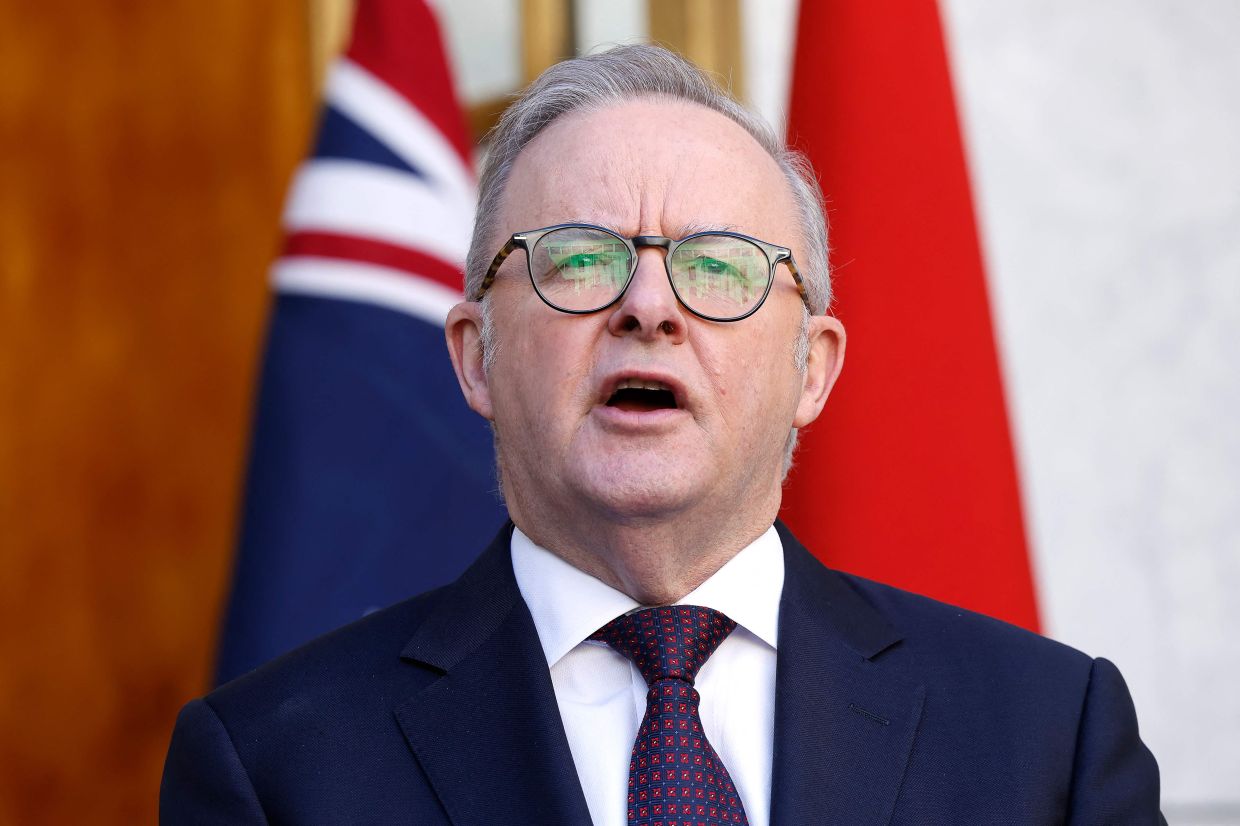
Australian Prime Minister Anthony Albanese has resisted pressure to apologise for comments made during a podcast interview in which he joked about a luxury gift from Japanese Prime Minister Sanae Takaichi. The remarks, which emerged this week and sparked criticism from political opponents, centred on ribald banter about a premium Japanese melon presented to Albanese when Takaichi visited Australia in May. Faced with parliamentary questioning on Tuesday about what critics termed his "disrespectful behaviour", the Prime Minister flatly rejected the premise of the inquiry, insisting he stood by his words.
The controversy stems from remarks Albanese made during an earlier conversation with podcaster Nikki Osborne at his official residence. In that exchange, Albanese described receiving a "strange" present in the form of a Japanese royal melon from his Japanese counterpart. When the host queried whether Takaichi had smuggled the fruit through Australian customs, Albanese responded with what amounted to crude double entendre, saying "got a couple of melons". The host then offered a crude comment comparing Takaichi's appearance to actress Pamela Anderson, to which Albanese did not object.
In Japan's cultural context, premium melons represent far more than ordinary produce. These luxury fruits are gift items steeped in tradition and significance, often commanding prices exceeding AUS$270 or approximately US$190 per melon, according to Japan's former ambassador to Australia. Presenting such a gift typically reflects diplomatic respect and goodwill between nations. The cultural weight of such a gesture underscores why Albanese's flippant treatment of the present has drawn particular ire from those versed in Japan-Australia relations and diplomatic protocol.
This is not Albanese's first brush with controversy over comments made during the same podcast episode. Earlier in August, the Prime Minister faced considerable backlash and issued an apology for separate remarks in which he crudely suggested he would "shag" international music icon Kylie Minogue. That incident prompted swift action from his office and demonstrated his willingness to walk back inappropriate comments when sufficiently pressured. However, his approach to the Japanese melon episode has proven markedly different, suggesting either a calculated decision to draw a line or a misjudgement about the sensitivity of the situation.
Australia's opposition leadership wasted little time in seizing on the comments, with the opposition leader formally calling for an apology and characterising the remarks as "insulting". In parliamentary debate on Tuesday, opposition members pressed Albanese directly on whether he would acknowledge and regret his "disrespectful behaviour". Rather than offering contrition or explaining context, Albanese adopted a defensive posture, dismissing the framing of the question outright. His refusal to engage substantively with the criticism suggests confidence that the matter will not significantly damage his standing, or alternatively, a determination not to appear weak by capitulating to opposition demands.
Albanese's defence rested on reasserting the strength of his personal relationship with Takaichi and Australia's broader commitment to the Japan partnership. "Prime Minister Takaichi is a friend of Australia and a friend of mine," he stated in response to parliamentary pressure, implying that such close ties rendered the crude banter inconsequential or merely collegial in nature. This argument, however, cuts against broader expectations of diplomatic decorum and the principle that respectful conduct toward fellow leaders and their nations should transcend personal relationships.
Foreign Minister Penny Wong moved swiftly to support the Prime Minister's position, rejecting characterisations of the comments as intentionally insulting. She stated that Albanese had been explicit that he did not intend for his remarks to be construed in the manner his opponents suggested, effectively arguing that the opposition had misinterpreted or deliberately misrepresented innocent banter. This framing attempts to shift responsibility onto critics for reading malice into comments the government maintains were merely off-colour humour.
For Malaysia and the broader Southeast Asian region, this incident carries implications for how Australia conducts diplomatic relations with Asian partners. Japan remains one of Australia's most important allies, with deep trade, security, and cultural ties underpinning the bilateral relationship. Any erosion in mutual respect—or perception thereof—could theoretically complicate regional stability and cooperation frameworks that depend on trust among key players. While a single crude joke is unlikely to fundamentally alter Japan-Australia ties, the incident illustrates how leaders' casual remarks, particularly when captured and disseminated through modern media, can trigger diplomatic friction.
The podcast format itself has proven problematic for Albanese, with the informal, conversational setting apparently encouraging less guarded speech than formal settings typically allow. This raises questions about whether contemporary political leaders adequately appreciate how digital media captures and amplifies every utterance, transforming private or semi-private comments into matters of public record. For Malaysian observers accustomed to careful diplomatic messaging, Albanese's willingness to engage in crude banter about a foreign leader and gift—regardless of intended meaning—may seem incongruous with expected standards of political decorum.
The government's ultimate calculation appears to centre on the view that standing firm rather than apologising will prove the better political strategy. By refusing to retract or regret his comments, Albanese signals to his domestic base that he will not be pushed around by opposition critics seeking to weaponise minor incidents. Whether this gambit succeeds depends partly on whether the story gains further traction in Australian media and whether Japanese officials formally register diplomatic concern. Should Takaichi or Japanese diplomats respond, Albanese's intransigence could prove costly to Australia's broader Asia-Pacific relationships.

