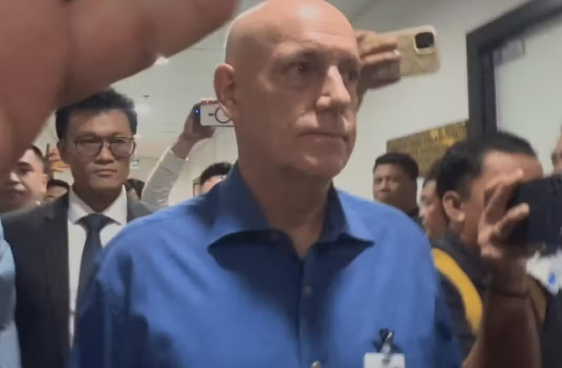
Tab Baldwin, the former head coach of Ateneo de Manila University's men's basketball programme, finally appeared before the National Bureau of Investigation on Tuesday afternoon after twice failing to comply with summonses in the previous week. The American coach arrived at the NBI's Homicide Division around 1:45pm accompanied by his legal representative Karl David, marking a significant development in the ongoing investigation into the drowning deaths of two Blue Eagles players, Rene Baterbonia and Divine Adili.
The circumstances surrounding Baldwin's delayed appearances have drawn scrutiny as investigators probe what transpired during the fatal team activity in Dipaculao, Aurora earlier in June. His initial absence on June 16 was attributed to his poor health condition, with his lawyer appearing in his stead to explain the coach's inability to attend. This explanation prompted questions about the nature of his illness and whether it might affect his capacity to provide a comprehensive statement to authorities. The second missed appointment on June 19 came after Baldwin had already testified before the Philippine National Police-Criminal Investigation and Detection Group, suggesting potential strategic considerations in how he engaged with the parallel investigations.
The dual investigation being conducted by both the NBI and the PNP-CIDG underscores the severity of the incident and the complexity of determining what led to the deaths of the two young athletes. Having separate agencies examine the case simultaneously creates both redundancy and the possibility of cross-verification, though it also raises questions about coordination between these bodies and whether witnesses might receive conflicting guidance. The involvement of two major law enforcement agencies indicates that authorities are treating this not merely as an accident but as a matter warranting intensive scrutiny from multiple angles.
NBI Director Melvin Matibag disclosed that investigators intend to conduct a detailed comparison between the account Baldwin provided to the bureau and his earlier testimony given to the PNP-CIDG. This comparative analysis could prove crucial in establishing the timeline of events and identifying any inconsistencies in the coach's narrative. Such discrepancies, if discovered, might prompt follow-up questioning and deeper investigation into specific aspects of the team activity that resulted in the two drownings. The methodology reflects standard investigative practice where cross-examination of statements across different interrogations can illuminate crucial details.
The Ateneo basketball programme, one of the most prominent collegiate athletic organisations in the Philippines, has been thrust into an unwelcome spotlight following this tragedy. The university's reputation and the programme's future operations depend significantly on how transparently and thoroughly this investigation unfolds. Student-athletes and their families across the country have grown increasingly concerned about safety protocols during team activities, making this case a focal point for discussions about institutional accountability and duty of care in Philippine sports.
The deaths of Baterbonia and Adili raise uncomfortable questions about supervision, safety equipment, water conditions, and emergency response procedures during the Dipaculao activity. Reports and testimony regarding what exactly occurred during this team outing, who was present, what safety measures were in place, and how rescue efforts unfolded will likely form the core of the investigation. Baldwin's role as head coach places him at the centre of questions about whether appropriate precautions were taken to protect the young athletes under his care.
The week-long timeline that the NBI has set for concluding its investigation reflects the pressure to provide closure to the grieving families and the broader athletic community. This compressed schedule suggests that authorities have either already gathered substantial evidence or believe they can do so quickly through statements from key personnel. However, drowning investigations can be complicated by the lack of eyewitness accounts, the need for forensic analysis, and the difficulty of reconstructing events when victims cannot provide their own testimony.
Baldwin's international background as an American coach potentially adds another layer of complexity to the proceedings. Questions may arise regarding visa status, potential deportation considerations, and whether foreign nationals involved in serious incidents receive the same investigative treatment as Filipino nationals. The involvement of his legal counsel at every stage suggests he is taking the matter seriously and protecting his interests, which is standard practice but also indicates awareness of the gravity of the charges that could potentially emerge.
The broader context of this incident extends to how Philippine sports institutions manage risk and prioritise athlete welfare. This case will likely prompt universities and sports organisations nationwide to review their activity protocols, emergency response plans, and insurance coverage. The outcome of the NBI investigation could influence how institutions structure team outings, particularly those involving water-based activities or remote locations where immediate medical assistance may be limited.
As the investigation progresses toward its expected conclusion this week, all eyes remain on what Baldwin's statement will reveal and how it aligns with or diverges from other testimonies already gathered. The families of the deceased athletes, the Ateneo community, and sports enthusiasts across Southeast Asia are watching to see whether answers emerge about how two promising young athletes came to lose their lives during what should have been a routine team activity. The resolution of this investigation will set important precedents for institutional accountability in Philippine collegiate sports.