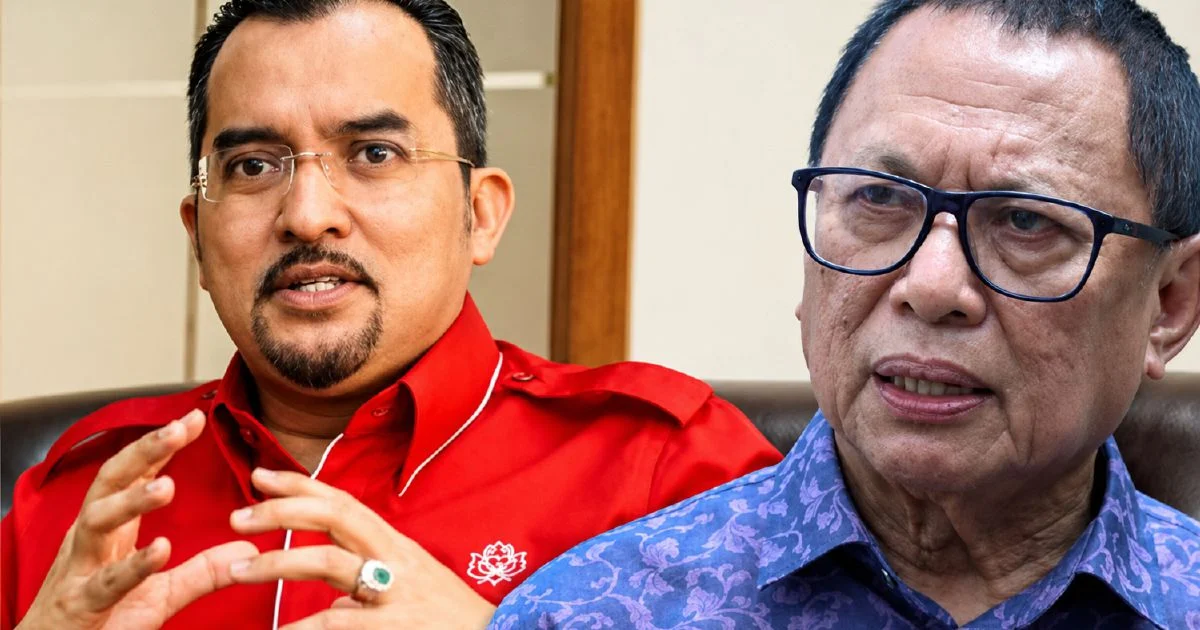
The leadership of Malaysia's United Malays National Organisation became embroiled in a public spat when Datuk Dr Asyraf Wajdi Dusuki, the party's secretary-general, issued a pointed rebuttal to Datuk Dr Mohd Puad Zarkashi following the latter's decision to leave Umno. The escalating disagreement underscores deepening fractures within the long-ruling party as it continues to navigate internal divisions that have plagued the organisation since 2020.
Puad Zarkashi's departure marked another notable exit from Umno's upper echelons, coming at a time when the party is attempting to consolidate power under its current leadership structure. His decision to step down was accompanied by public statements that drew connections between party dynamics and actions allegedly taken by state institutions, a characterisation that Asyraf Wajdi firmly rejected. The accusation appeared to reference possible involvement of the palace in Umno's internal affairs, a sensitive matter in Malaysian politics given the constitutional role of the monarchy in national governance.
Ashyraf Wajdi's response was unsparing. Rather than offering a measured diplomatic reply to a departing colleague, the secretary-general chose confrontation, suggesting that Puad Zarkashi's claims were unfounded and perhaps designed to deflect accountability for his own political decisions. This approach reflects the heightened tension within Umno's leadership, where public disagreements have become increasingly common as the party grapples with questions about direction and legitimacy. The incident also demonstrates how quickly party disputes escalate into media spectacles in Malaysia's politically charged environment.
The backdrop to this conflict involves Umno's complex standing following its loss of federal government power in the 2018 election and subsequent coalition manoeuvres. The party has struggled to rebuild internal cohesion, with various factions competing for influence and resources. Puad Zarkashi's exit, whether voluntary or forced, represents a loss of yet another figure who previously held significant positions within the party hierarchy. His references to institutional involvement suggested frustration with constraints he felt during his tenure, though such claims are difficult to substantiate in Malaysia's opaque political environment.
The palace connection raised by Puad Zarkashi touches on a perpetual tension in Malaysian politics. While the monarchy plays a ceremonial and constitutional role, Umno—as a party with deep historical ties to the royal institution—exists in an unusual relationship with palace circles. Senior party figures maintain informal connections to the royal household, but the extent of palace influence over party decisions remains contested and largely behind closed doors. Puad Zarkashi's public invocation of such involvement, if accurate, would represent an unusual breach of the discretion normally maintained around such matters.
Ashyraf Wajdi, as secretary-general, bears responsibility for party administration and implementation of leadership decisions. His strong reaction to Puad Zarkashi's claims may be intended to reassert control over the party narrative and prevent other departing members from making similar allegations. In Malaysian political culture, early management of such situations is viewed as crucial to preventing broader institutional damage. However, the public nature of the exchange risks amplifying rather than containing the dispute, potentially encouraging other restive members to voice grievances.
The timing of this conflict is significant given Umno's broader political challenges. The party faces pressure from rival Malay-based organisations, particularly Perikatan Nasional, which has attracted defectors dissatisfied with Umno's direction. Each high-profile departure or public disagreement provides ammunition to competitors seeking to portray Umno as unstable and divided. Opposition commentators have seized on such incidents to argue that Umno lacks the unity and focus necessary to lead effectively. This latest exchange therefore carries implications extending beyond the two individuals involved.
Puad Zarkashi's specific allegations warrant scrutiny in the context of Malaysian governance. If a senior party figure genuinely believes that institutional bodies have improperly interfered in party affairs, this raises questions about the boundaries between state and party that merit serious examination. Conversely, if the claims are merely a convenient narrative to accompany a political decision made for other reasons, they represent an attempt to weaponise sensitive institutional questions for factional advantage. Without access to internal party communications and decision-making records, distinguishing between these possibilities proves difficult.
The exchange between Asyraf Wajdi and Puad Zarkashi reflects broader trends in Malaysian politics where personal rivalries increasingly spill into public view. Where earlier generations of party leaders might have resolved such disagreements through private intermediaries and behind-the-scenes negotiations, modern political figures face pressure to defend themselves publicly and immediately. Social media amplifies such disputes and makes backtracking more difficult. This shift toward public confrontation has transformed Malaysian politics into a more turbulent environment where institutional norms provide less protection for reputations.
For Umno sympathisers and observers of Malaysian politics more broadly, the incident raises questions about the party's governance standards and internal discipline. An organisation that cannot manage disagreements without resorting to public recriminations may struggle to manage national affairs effectively. The incident also serves as a reminder that Malaysia's largest Malay-Muslim party, despite its historical dominance, faces questions about legitimacy and direction that will require more than rhetorical salvos to resolve.

