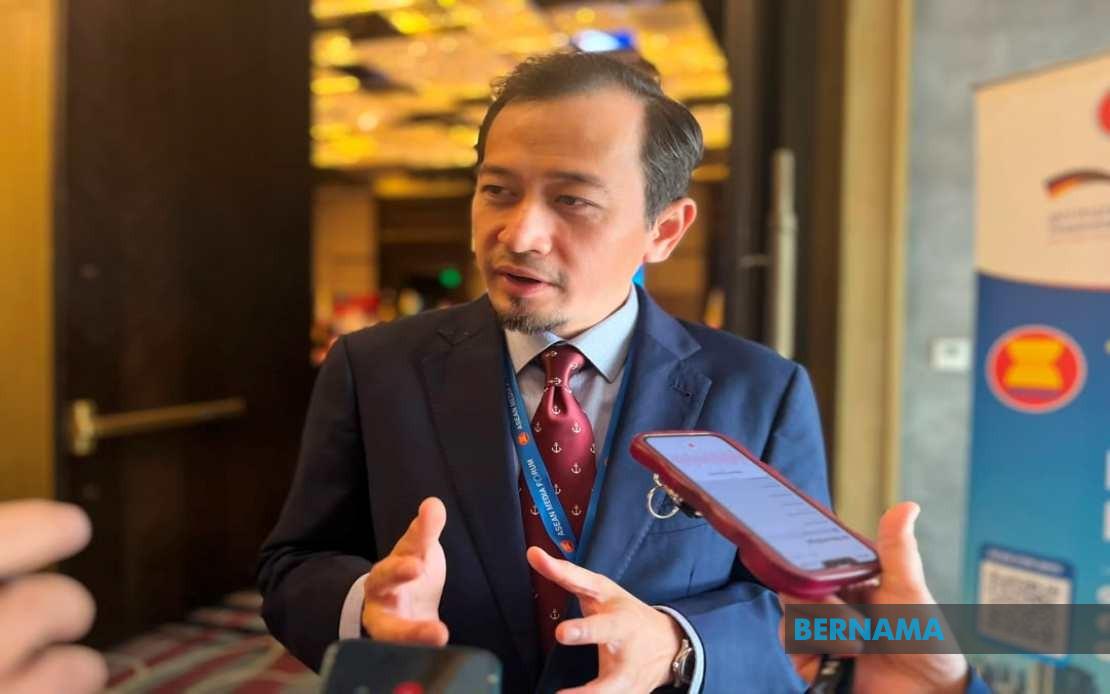
MANILA — The Federation of ASEAN Shipowners' Associations (FASA) is pursuing an ambitious initiative to create the region's first Protection and Indemnity (P&I) insurance club, a move designed to help Southeast Asian shipping operators break free from dependence on Western insurers while addressing mounting pressure from rising premiums and operational risks. The project, currently in its foundational stage, represents a significant attempt to reshape how regional shipowners manage one of their most critical business expenses and shared liabilities.
Mohamed Safwan Othman, who serves as both FASA chairman and head of the Malaysia Shipowners' Association, revealed that completing the structural framework for the club will require at least three years of development work. The timeframe reflects the complexity of establishing a multinational risk-sharing mechanism across ASEAN's diverse maritime industry, requiring coordinated agreement among numerous operators with varying fleet sizes, routes, and operational profiles. Building consensus across the region's shipowner community remains a critical prerequisite before the initiative can advance from its current planning phase to actual implementation.
Currently, the vast majority of ASEAN-based shipowners procure P&I coverage from established Western insurance syndicates, predominantly those headquartered in Europe. This dependency has exposed regional operators to insurance pricing structures determined largely by distant markets and risk assessments that may not fully reflect local maritime conditions or operational realities. By establishing a regional club, ASEAN shipowners would pool their risks collectively, theoretically enabling them to negotiate premiums more reflectively of their actual claims history and to retain greater control over coverage terms and conditions.
Protection and Indemnity insurance functions as a mandatory safety net for ocean-going vessels, primarily protecting against third-party liabilities involving crew welfare and cargo damage. This distinguishes it fundamentally from Hull and Machinery coverage, which addresses the vessel's physical structure and mechanical components. The distinction is critical to maritime operations—while H&M insurance protects a shipowner's asset, P&I insurance protects against the financial catastrophes that can result from accidents, pollution incidents, or injuries during maritime operations. Creating a regional club would require establishing robust claims management protocols, underwriting standards, and financial reserves capable of handling major incidents across multiple countries.
Mohamed Safwan emphasised that establishing such a club centres on collective risk management and cost reduction through mutual protection mechanisms. By consolidating the insurance requirements of regional shipowners, the club could achieve economies of scale and administrative efficiencies that individual operators cannot access when purchasing coverage separately from distant insurers. The strategic value lies not merely in premium reduction but in creating a vehicle through which regional shipowners can collectively shape their insurance arrangements and exercise greater agency over the terms governing their operational risks.
The current geopolitical environment has dramatically underscored the urgency of ASEAN's insurance initiative. Escalating conflict in West Asia has triggered significant disruptions to maritime commerce, as several insurers have either withdrawn war-risk coverage entirely or maintained it only at dramatically inflated rates. These developments have compounded the challenges facing shipping operators already contending with extended transit times and heightened navigational hazards when transiting volatile regions. For ASEAN shipowners, whose fleets routinely navigate these dangerous passages, the cost implications have been substantial and concerning.
According to the latest International Maritime Organisation data cited by Mohamed Safwan, approximately 2,000 Southeast Asian seafarers have found themselves stranded aboard roughly 500 vessels operating in the Strait of Hormuz, with Filipino nationals representing approximately half of those affected. The actual figure likely exceeds these official estimates, as vessel operators have deliberately disabled tracking systems while navigating the region to evade detection and reduce security risks. This human dimension of the maritime crisis underscores why shipowners must maintain adequate insurance protections—the stakes involve not only financial assets but the safety and welfare of thousands of regional seafarers caught in geopolitically unstable waters.
Mohamed Safwan acknowledged that despite the adversity, meaningful progress has occurred in recent months, with significant numbers of stranded seafarers successfully repatriated from the affected region. This partial resolution has provided some relief to shipping companies and their crew members, though the underlying insurance and operational challenges persist. The incident demonstrates why establishing a robust regional insurance framework has become not merely a commercial imperative but a matter affecting crew safety and maritime security across Southeast Asia.
To address the operational challenges posed by high-risk waters, ASEAN has activated existing coordination mechanisms that provide navigational and safety intelligence to vessel operators. The Information Fusion Centre, established under the Regional Cooperation Agreement on Combating Piracy and Armed Robbery against Ships in Asia (ReCAAP), disseminates regular guidance on maritime security conditions. This cooperation extends beyond regional arrangements, with the United Kingdom and United States also contributing intelligence and support to enhance situational awareness for ASEAN-based operators navigating dangerous passages. These complementary initiatives demonstrate how regional shipowners are attempting to manage risks collectively while working toward their own insurance solution.
The push for an ASEAN P&I club reflects broader efforts within Southeast Asia to develop indigenous capacity in critical maritime services rather than remaining perpetually dependent on external providers. Similar initiatives across various maritime sectors—from port services to vessel brokerage—demonstrate a growing commitment to building regional self-sufficiency. For Malaysian and other ASEAN shipowners, success in establishing the P&I club would represent a transformative development, offering opportunities for meaningful cost reductions while establishing a regional institution that could serve evolving maritime needs for decades. The three-year timeline suggests that by the mid-2020s, ASEAN could have fundamentally altered its relationship with maritime insurance, shifting from passive consumers of Western insurance products to active participants in a collectively managed risk pool designed specifically for the region's operational environment and economic circumstances.

