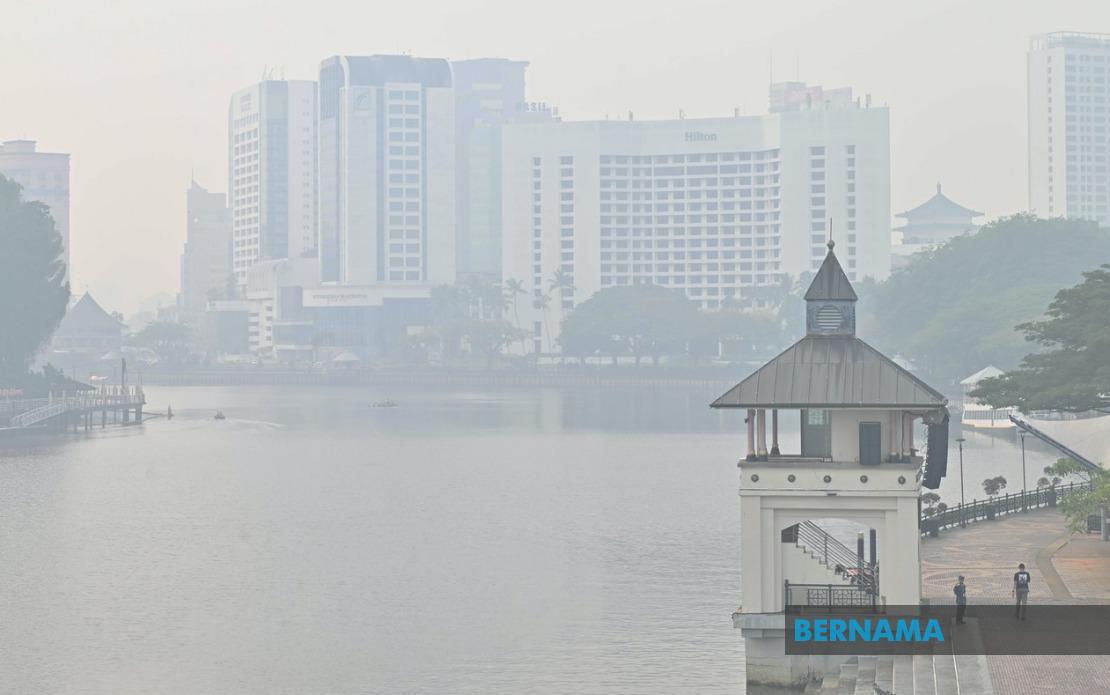
The recurring transboundary haze crisis that plagues Southeast Asia demands far more than seasonal crisis management. Tan Sri Lee Lam Thye, a prominent social activist, has issued a stark warning to ASEAN leadership that the bloc's two-decade-old haze agreement requires fundamental overhaul, insisting that member nations must shift from reactive firefighting to proactive prevention through a binding, time-bound regional action plan with real enforcement teeth.
The ASEAN Agreement on Transboundary Haze Pollution, signed in Kuala Lumpur on June 10, 2002 and ratified the following year, has become a symbol of good intentions without adequate results. Over more than twenty years of implementation, the accord has failed to prevent the seasonal scourge that blankets major population centres across Malaysia, Singapore, Indonesia and beyond in toxic smoke. Lee's intervention reflects growing frustration among policymakers and civil society that existing frameworks have become insufficient to address what is fundamentally a governance and environmental accountability challenge, not merely a weather inconvenience.
The timing of Lee's appeal carries particular urgency given meteorological forecasts suggesting worsening conditions ahead. The ASEAN Specialised Meteorological Centre has flagged the strengthening El Niño phenomenon alongside below-normal rainfall patterns and prevailing wind systems that could substantially increase wildfire risk in southern ASEAN territories during the coming months. For Malaysia and other affected nations, this projection underscores that complacency is dangerous and that existing preparedness measures may prove inadequate when environmental conditions align to produce severe transboundary pollution episodes.
However, Lee's framing of the challenge reveals an important analytical distinction often overlooked in public discourse. While climate phenomena like El Niño create dry conditions that facilitate wildfires, they do not themselves cause the haze crisis. Rather, human activities—deliberate open burning for agricultural land clearing, illegal conversion of peatlands and forests, and inadequate fire control—transform naturally occurring drought into a regional public health catastrophe. Treating El Niño as the primary culprit deflects accountability from the actual decision-makers and actors responsible for allowing fires to spread across international boundaries. This semantic debate holds material consequences for policy design and enforcement priorities.
Lee's specific proposals offer a practical roadmap for regional reform. Central to his vision is the establishment of measurable, binding targets for fire prevention and hotspot reduction, replacing the vague aspirations that currently characterize the agreement. Such targets would create baseline accountability standards against which member governments could be evaluated and, implicitly, held responsible. Equally critical is the creation of robust enforcement mechanisms that assign clear consequences when companies, individuals or state actors permit fires to cause cross-border damage. Current arrangements lack investigation protocols, evidence-sharing mechanisms, and meaningful penalties, rendering the agreement largely symbolic.
The proposed permanent regional haze response mechanism represents another essential innovation. Real-time satellite monitoring systems already exist but operate in fragmented fashion across national boundaries. Consolidating these into a unified early-warning architecture with rapid hotspot information sharing and joint firefighting capabilities would enable faster response to developing fire situations before smoke crosses into neighbouring jurisdictions. Such coordination has proven effective in other regional environmental crises and demonstrates that technical solutions exist; political will remains the limiting factor.
Peatland and forest management emerges as particularly critical given the disproportionate smoke emissions from peat fires. Many fires originate in converted peatland areas where organic matter burns with exceptional intensity and duration, creating particularly severe transboundary pollution events. Strengthening regional cooperation on peatland restoration, preventing further drainage and conversion, and enforcing protection measures would address root causes rather than merely managing symptoms. This requires coordinated land-use policy across borders and willingness to constrain certain agricultural and development practices for regional benefit.
Transparency mechanisms deserve equal emphasis in any reformed agreement. When hotspot locations, fire sources and enforcement actions remain opaque, accountability becomes impossible and international trust erodes. Member nations that commit to publishing standardized data on detected fires, their origins, suppression efforts and penalties for violations create conditions for peer pressure and informed public discourse. Transparency also enables affected populations to understand which jurisdictions are failing their regional responsibilities, mobilizing domestic political pressure for corrective action.
The diplomatic challenge of advancing these reforms should not be underestimated. Some ASEAN members may view strengthened enforcement and transparency requirements as infringements on national sovereignty, particularly regarding land-use decisions and cross-border investigative protocols. The region's commitment to non-interference doctrine and consensus-based decision-making can impede progress on issues where national interests diverge. Nevertheless, Lee's framing offers a potential pathway: emphasizing that stronger regional action protects not individual countries at others' expense, but rather protects all ASEAN citizens from an externality generated beyond their borders.
For Malaysia specifically, transboundary haze represents an ongoing public health crisis with measurable impacts on respiratory illness, school closures, and economic disruption. The haze episodes of recent years have demonstrated that existing preparedness, while improved from the 1990s, remains inadequate. Malaysian leadership has both incentive and responsibility to champion more robust regional standards, particularly given the country's position as both a vulnerable downwind recipient of Indonesian smoke and as a regional diplomatic voice capable of framing enforcement reforms as mutual interest rather than blame.
The pathway from agreement to genuine implementation requires sustained political commitment extending well beyond summit declarations. Lee's call for urgent high-level review represents essential first step, but translating that review into binding protocols with enforcement mechanisms demands negotiation across diverse political systems with different environmental priorities and regulatory capacities. Yet the alternative—continued acceptance of haze as seasonal ASEAN ritual—imposes mounting costs measured in public health, economic productivity, and the erosion of regional environmental governance credibility.
Ultimately, Lee's intervention serves as reminder that two-decade-old frameworks deserve periodic fundamental reassessment rather than incremental tinkering. The haze agreement deserves not minor amendments but comprehensive reform reflecting current scientific understanding of fire dynamics, contemporary satellite and monitoring capabilities, and the region's demonstrated capacity for technical coordination. Whether ASEAN leadership will embrace this challenge or continue along the path of well-intentioned but ineffectual cooperation remains to be seen, but the costs of failure accumulate with each seasonal crisis.

