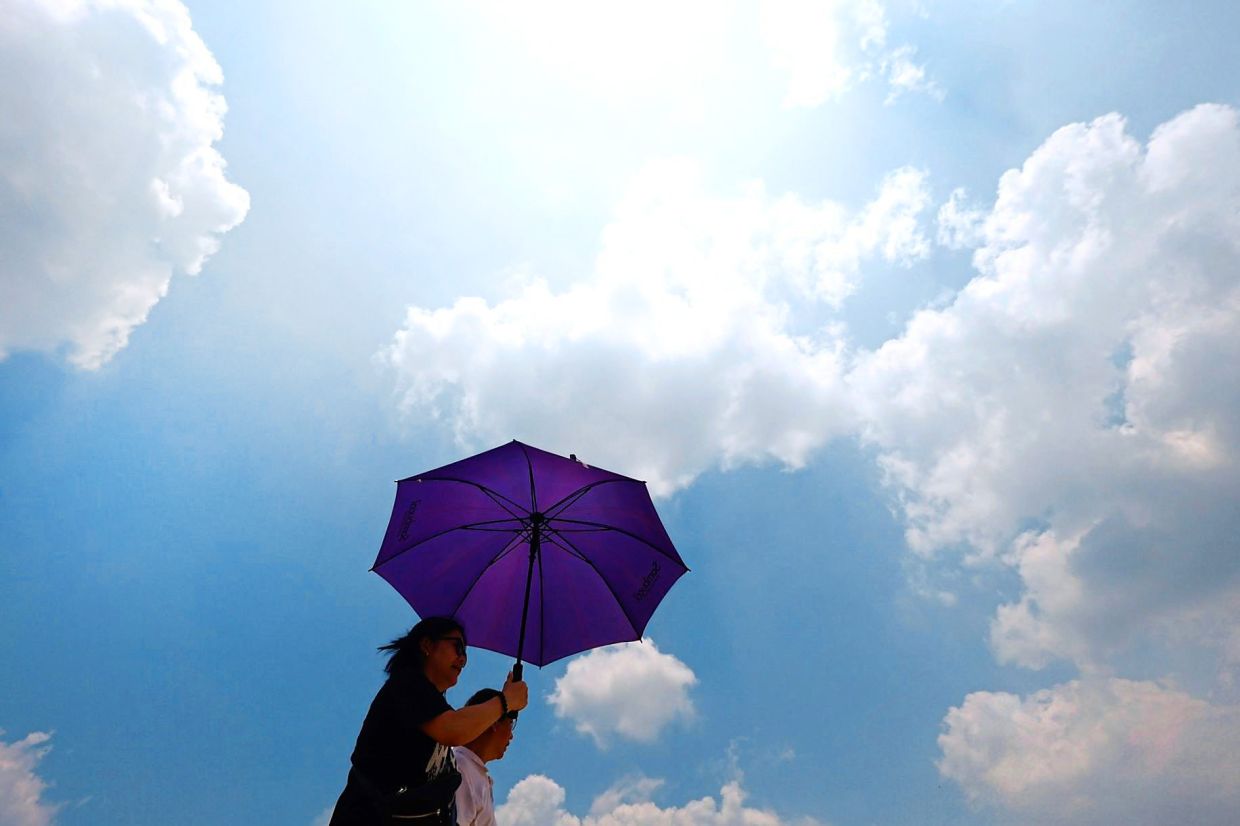
The World Health Organization issued a stark warning on June 30, 2026, that heatwaves are destined to become more severe, more frequent, and more prolonged in the years ahead. The alarm came in response to a succession of record-breaking temperatures that swept across Europe, leaving dozens dead in their wake. Dr Hans Kluge, WHO Europe's regional director, emphasized that the pattern has fundamentally shifted—these extreme heat events are no longer isolated occurrences that societies can treat as anomalies, but rather recurring crises that will define successive summers.
The prospect of permanently elevated temperatures raises a crucial question about human resilience: as climate change drives these escalating heatwaves, will our bodies gradually become more tolerant of intense heat? The answer, according to medical meteorologist Kathrin Graw from Germany's Deutscher Wetterdienst, is nuanced. While the human body does possess some capacity for physiological adjustment, that capacity operates within sharply defined boundaries that should concern public health planners across the region.
Graw's analysis reveals a troubling relationship between heat duration and health outcomes. The longer a heatwave persists, the heavier the toll on human physiology accumulates day by day. This deterioration accelerates when nighttime temperatures remain elevated, preventing the restorative cooling that sleep normally provides. Without adequate nocturnal relief, bodies entering the next day of heat stress begin from a compromised position, their thermoregulatory systems already fatigued. The cumulative effect is striking: mortality risk climbs dramatically as a heatwave extends beyond its first week.
Recent research from the DWD provides quantifiable evidence of this escalating risk. Among individuals suffering from cardiovascular disease, heat-related deaths surge to roughly 18 percent above baseline levels by the 11th or 12th day of continuous heat stress, compared with conditions during normal temperature periods. By contrast, during the initial days of a heatwave, excess mortality in this vulnerable population stands at 8.5 percent—a substantial figure that nonetheless pales against the toll of prolonged exposure. This data pattern demonstrates that the human body's initial compensatory mechanisms gradually fail under sustained thermal assault.
The concept of seasonal heat acclimatization does offer modest benefits. Across the summer months, human bodies can develop limited physiological adaptations—increased sweating efficiency, improved cardiovascular stability during heat stress, and enhanced heat dissipation. Weather services like the DWD incorporate this understanding into their warning thresholds, deliberately setting lower temperature alerts at summer's beginning or following cooler periods, then adjusting upward as populations become temporarily acclimated. This calibration reflects genuine biological reality: the same temperature that triggers dangerous stress in June may be somewhat more tolerable in August.
Yet this seasonal adjustment capacity offers false comfort when confronting long-term climate change. The pertinent question concerns whether human populations can achieve durable, multi-generational adaptation to permanently higher baseline temperatures. Graw notes limited evidence suggesting this might occur. Populations in southern European and Mediterranean regions have endured heat for centuries, and heat-related mortality in these areas does run somewhat lower than in more northerly latitudes. The implication appears to be that historical exposure may confer marginal protective effects through both biological adaptation and cultural practices refined over generations.
However, this glimmer of possibility is substantially undermined by the accelerating pace of climate change itself. Unlike the gradual temperature shifts to which historical populations adapted over many decades or centuries, the current warming trajectory compresses these changes into years. The human body and human societies possess limited capacity to adjust to transformations occurring at such velocity. Graw emphasized that long-term adaptation to persistently higher temperatures faces fundamental limits, and these limits tighten further when the rate of change becomes too rapid for either biological or social systems to accommodate.
For Malaysia and other Southeast Asian nations, this scientific reality carries particular significance. The region already experiences tropical heat that many temperate-zone populations find barely tolerable. As global temperatures continue rising and atmospheric circulation patterns shift, the combination of higher baseline heat and increased humidity could push conditions beyond thresholds at which human physiological coping mechanisms function adequately. The heat stress index—which combines temperature with moisture content—may become the binding constraint on human activity rather than temperature alone.
Vulnerable populations face amplified risks from this trend. Older adults, young children, pregnant women, and individuals with pre-existing cardiovascular or respiratory conditions cannot rely on the marginal protections that younger, healthier populations might develop. During future severe heatwaves, these groups will face disproportionate health consequences regardless of any modest population-level adaptations. Urban areas in Malaysia and across Southeast Asia, where heat island effects compound ambient temperature rises, may experience particularly acute public health crises during extended heat events.
The WHO's message carries an implicit call for preventive action. If human bodies cannot sufficiently adapt to the heatwave regime that climate change will impose, then societies must adapt instead—through urban cooling measures, improved cooling center accessibility, enhanced health system capacity, and migration of vulnerable populations away from the most exposed regions. The science suggests that waiting for biological adaptation is a failed strategy. Instead, the focus must shift toward infrastructure, public health systems, and policy frameworks designed to protect human life in a fundamentally hotter world.
Governments across Southeast Asia would do well to treat this WHO warning not as distant European concern but as regional necessity. The acceleration of climate change means that the window for preparation remains open but closing. Each summer that arrives hotter than the last chips away at the adaptation capacity of populations already living near thermal limits. The scientific evidence from medical meteorologists like Graw indicates that incremental policy responses will prove insufficient—transformative investments in heat resilience must begin immediately.

