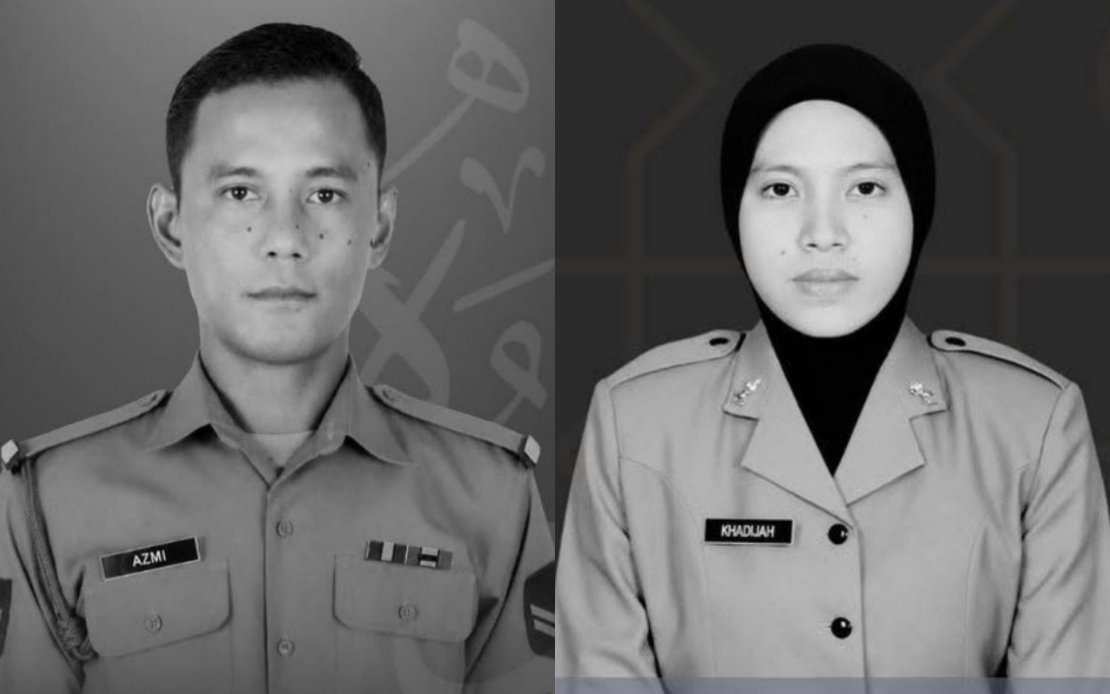
The Malaysian Army has released the names of two soldiers who lost their lives in a tragic training accident at the Hobart Camp shooting range in Gurun, Kedah, on the morning of June 16. Corporal Norazmi Abu Bakar, attached to the 6th Battalion, Royal Malay Regiment, and Private Siti Khadijah Sungip from the 1st Squadron, Royal Army Engineers Regiment, were participating in routine grenade-throwing drills when the explosion occurred at 10.57 am. Both personnel sustained severe injuries in the blast and were rushed to Sultan Abdul Halim Hospital in Sungai Petani, where they were pronounced dead upon arrival.
The incident represents a significant loss to Malaysia's armed forces and has prompted immediate scrutiny of training protocols. The two soldiers were engaged in Combat Enhancement Training coordinated by the 2nd Infantry Division when the accident happened, underscoring the inherent risks associated with live explosive training exercises. Such training is essential for military readiness, yet incidents like this raise pressing questions about safety measures and risk mitigation at training facilities across the country. The fact that the accident occurred during a standard training operation suggests that even routine procedures carry potential dangers that require constant vigilance.
General Tan Sri Azhan Md Othman, the Malaysian Army Chief, has initiated a comprehensive and immediate investigation to ascertain the underlying causes of the explosion. This thorough inquiry will be crucial not only for understanding what went wrong in this specific instance but also for identifying systemic weaknesses that may exist across the broader training infrastructure. The Army's commitment to a full investigation signals the seriousness with which military leadership treats this tragedy and reflects institutional accountability.
The Army has provided formal condolences to the families of the deceased, with the Chief emphasising the importance of resilience during this difficult period. Such gestures, while important, offer little solace to grieving families who have lost loved ones in service to their nation. The loss of these two personnel—particularly a female soldier in the male-dominated military institution—highlights the dangers that all personnel face regardless of rank or background when engaged in high-risk training activities.
Following protocol, the remains of both soldiers have been transferred to Sultanah Bahiyah Hospital in Alor Setar for post-mortem examinations. These autopsies will provide forensic evidence that may help investigators determine whether the incident resulted from equipment failure, human error, procedural oversight, or other contributing factors. Medical findings will form a critical component of the broader investigation and may inform recommendations for enhanced safety procedures.
Army authorities have committed to a comprehensive review of all training safety protocols based on investigation findings. This commitment extends beyond merely understanding what caused this particular accident; it represents an opportunity to evaluate whether current safety standards across all training facilities are adequate for the twenty-first century. Malaysia's armed forces operate in an increasingly complex security environment, and maintaining high operational standards while minimising preventable casualties is essential.
The incident at Hobart Camp reflects broader concerns about military training safety in Southeast Asia. Other regional militaries have experienced similar tragic accidents during live-fire and explosive training exercises, raising questions about whether international best practices are being consistently implemented across the region. Malaysian military leadership will likely examine how counterpart nations manage comparable risks and whether additional investments in safety equipment, training supervision, or facility upgrades are warranted.
For families of military personnel across Malaysia, this tragedy serves as a sobering reminder of the occupational hazards faced by those who serve in uniform. While soldiers understand that their roles carry inherent risks, training accidents—which occur under controlled conditions designed to minimise danger—strike a different emotional chord. The presence of both a corporal and a private among the deceased also reflects the democratic nature of military tragedy, which respects no rank.
The investigation and subsequent safety review will likely take several weeks to complete, during which time the Army will implement interim precautions at Hobart Camp and other training facilities. Military leadership faces the delicate balancing act of maintaining rigorous training standards necessary for operational effectiveness while simultaneously protecting personnel from preventable harm. How well the institution responds to these competing demands will influence public confidence in the military's stewardship of the young men and women under its command, many of whom come from modest backgrounds and view military service as a path to stable employment and personal advancement.