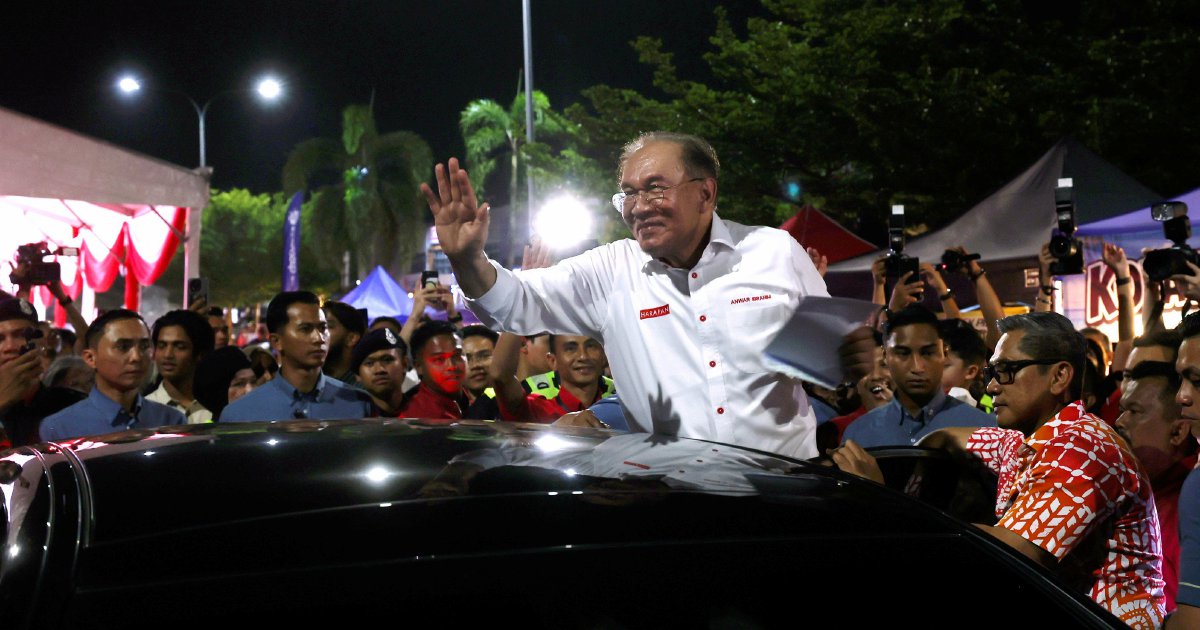
Prime Minister Datuk Seri Anwar Ibrahim's recent public apology to Malaysia's Indian community regarding his earlier statements about Hindu temples represents a meaningful gesture toward rebuilding trust and advancing national reconciliation, according to observations by a Democratic Action Party legislator. The apology underscores a broader shift within government circles toward acknowledging past sensitivities and reaffirming commitment to religious pluralism in a nation where Hindu temples serve as vital cultural and spiritual anchors for millions of citizens.
The timing of Anwar's statement carries particular significance in contemporary Malaysian politics, where interethnic and interreligious relations have occasionally been tested by divisive rhetoric and policy disputes. By directly addressing the Indian Hindu community and acknowledging previous missteps, the Prime Minister signals a departure from a pattern where political leaders sometimes dismiss or minimize concerns raised by minority communities. This approach reflects evolving standards of accountability expected of Malaysia's highest executive office, particularly regarding comments that may have caused hurt or perceived marginalization.
Hindu temples occupy a unique position within Malaysian society, functioning not merely as places of worship but as repositories of cultural heritage, educational institutions, and community gathering spaces. The majority of Hindu temples in the country serve Tamil-speaking communities whose ancestors arrived during the colonial period and chose to build permanent settlement in Malaysia. Any public statements touching upon these institutions therefore carry weight beyond mere religious considerations, encompassing questions of belonging, historical recognition, and equal social standing within the national framework.
The DAP lawmaker's assessment that the apology demonstrates sincerity carries implications beyond simple political theatre. In Malaysian political discourse, where accusations of performative gestures frequently leveled against leaders across the political spectrum, earnest acknowledgment from observers representing the opposition coalition suggests that the apology was perceived as substantive rather than merely tactical. This distinction matters because it indicates whether the gesture might catalyze genuine policy review or remains confined to symbolic territory.
Anwar Ibrahim's positioning as Prime Minister who explicitly champions inclusiveness and national unity forms the backdrop against which such apologies gain or lose credibility. Since assuming office, his administration has navigated complex questions around religious freedom, minority rights, and the relationship between state institutions and various faith communities. Instances where leaders reconcile with constituencies they may have previously alienated test whether their broader inclusivity agenda possesses genuine depth or serves primarily cosmetic purposes.
The Indian community in Malaysia, numbering approximately two million people with Hindu traditions predominating, represents a significant demographic group whose concerns about social equity and cultural recognition frequently receive insufficient attention in national discourse dominated by Malay-Muslim majority issues. Hindu temples, often underfunded and facing acquisition pressures from development interests, have become flashpoints where the community's anxieties about marginalization surface. A Prime Minister's willingness to engage directly with grievances related to these institutions signals that such concerns merit serious governmental consideration.
Historically, Malaysian politics has witnessed periods of tension between state policies and the preservation of Hindu cultural sites, with temples sometimes facing demolition for urban development or facing bureaucratic obstacles in securing proper documentation and maintenance resources. The community has periodically mobilized around efforts to protect endangered temples, viewing such struggles as extensions of broader campaigns for equal treatment. An apology from the nation's highest elected leader acknowledges this history and the legitimate grounds for community concern.
The DAP lawmaker's public endorsement of the apology's sincerity also reflects strategic positioning within Malaysia's multiethnic coalition politics. The Democratic Action Party, a primarily Chinese-led party with substantial Indian membership, functions partly as guardian of minority rights interests within the broader Pakatan Harapan coalition. By validating the Prime Minister's gesture toward the Indian community, the DAP signals both that its coalition partners are responsive to minority concerns and that the party itself successfully advocates on behalf of communities it represents.
Looking forward, the substantive impact of Anwar's apology will depend substantially on whether it translates into concrete policy measures. This might include expedited processing of temple land documents, increased government support for heritage preservation of older temples, dialogue frameworks where the Hindu community can raise concerns directly with ministerial-level officials, or review of regulations that may inadvertently disadvantage Hindu temple operations compared to other religious institutions. The apology's true measure will emerge in the coming months and years as implementation occurs or fails to occur.
The incident also reflects broader Southeast Asian dynamics surrounding Hindu minorities in Muslim-majority nations. Malaysia's approach toward accommodating religious and cultural minorities carries implications for Hindu communities across the region, who look toward successful models of coexistence and minority protection. Public apologies from national leaders, particularly when perceived as sincere, contribute to creating normative expectations that majority communities and state institutions should actively protect minority religious and cultural spaces rather than tolerating their gradual erosion.
For the Malaysian government, the apology represents part of a larger effort to rebuild relationships with communities who may have felt neglected or marginalized under previous administrations. The Indian community's historical economic prominence in commerce, professions, and working-class sectors means that their political engagement and sense of belonging significantly influences national stability and cohesion. Prime ministerial gestures toward inclusivity, when credible, can meaningfully shift perceptions of governmental fairness.
Governance effectiveness in multicultural democracies ultimately depends upon the willingness of leaders to acknowledge mistakes, take responsibility for words and policies that cause harm, and commit to corrective action. Anwar Ibrahim's apology to the Indian community exemplifies this principle in practice, though observers will rightfully maintain scrutiny regarding whether rhetorical commitments translate into institutional changes that substantively improve Hindu community welfare and temple preservation efforts across Malaysia.

