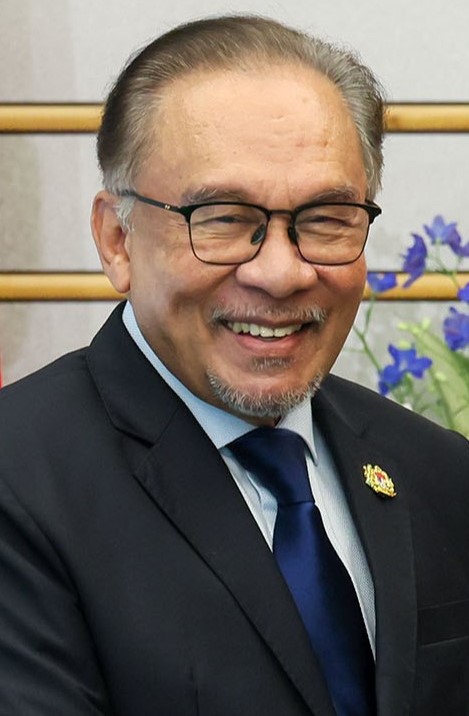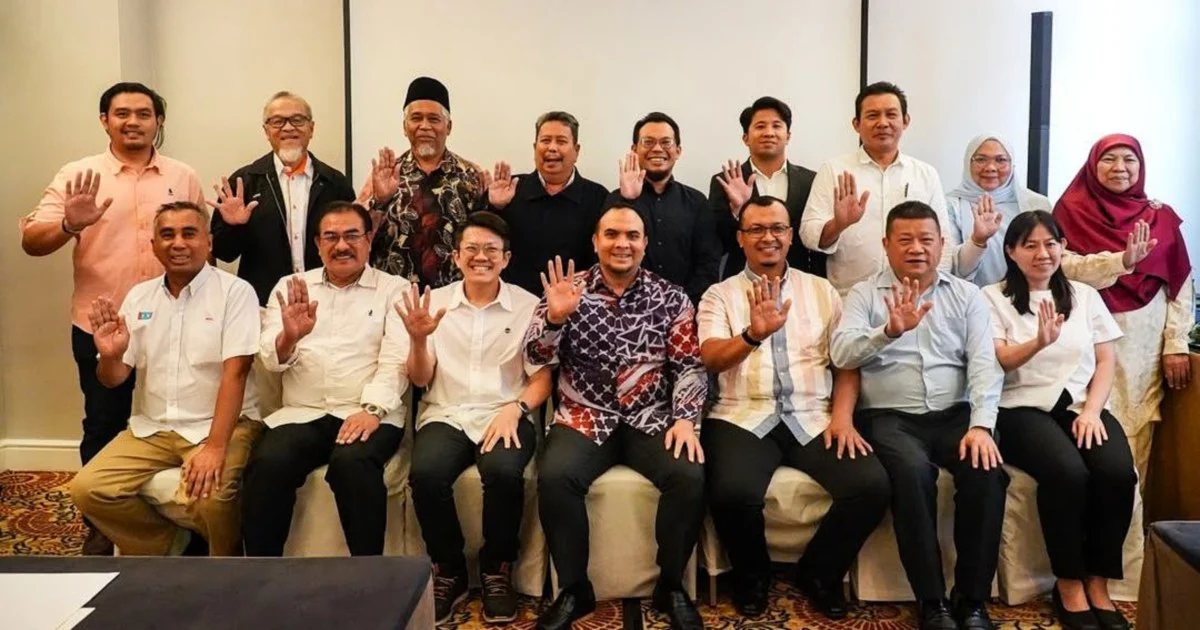
Datuk Ahmad Farhan Fauzi, who serves as Prime Minister Datuk Seri Anwar Ibrahim's political secretary, has been appointed chairman of the Pahang Pakatan Harapan branch. The appointment represents a significant personnel shift within the coalition's operations in the eastern seaboard state and underscores Anwar's efforts to strengthen party machinery ahead of crucial political developments.
The move places one of Anwar's closest aides in a pivotal position overseeing PH activities in Pahang, Malaysia's largest state by land area and a territory of considerable strategic importance to the ruling coalition. Ahmad Farhan's elevation from his advisory role at the federal level to a state-level chairmanship reflects the administration's confidence in his organisational capabilities and political acumen.
In his previous capacity as political secretary, Ahmad Farhan has been instrumental in coordinating between Anwar's office and various party structures, managing the intricate networks that sustain coalition governance. This background equips him with direct insight into the Prime Minister's political vision and priorities, allowing for better alignment between federal strategies and state-level execution in Pahang.
Pahang has historically been a mixed political territory, with both BN and opposition parties maintaining significant influence across different parliamentary constituencies and state seats. For the PH coalition, strengthening its organisational framework in the state is essential to maintaining electoral momentum and consolidating support among its diverse base of voters across the peninsula's east coast region.
The appointment signals Anwar's intention to tighten control over party leadership positions, ensuring that key offices are held by individuals with direct loyalty and proven track records within his immediate circle. Such moves are typical when governing coalitions seek to prevent internal fragmentation or to revitalise grassroots engagement in preparation for electoral cycles or internal party contests.
Ahmad Farhan's transition to this role means the coalition can leverage his understanding of federal-level political dynamics and apply those insights to state operations. His proximity to Anwar throughout his tenure as political secretary has likely given him familiarity with the Prime Minister's strategic thinking and expectations for party performance across Malaysia's regions.
The leadership restructuring arrives at a time when PH continues to navigate challenges related to internal cohesion and electoral performance. Competition within the coalition between its component parties—including PKR, DAP, and Amanah—requires skilled mediation and coordination, responsibilities that will fall to Ahmad Farhan as state chairman.
For Pahang specifically, the PH chairman holds responsibility for overseeing campaign machinery, managing party member engagement, addressing grassroots concerns, and ensuring effective representation at both parliamentary and state assembly levels. The role demands balancing competing interests within the coalition while maintaining public confidence in PH's governance approach.
Pahang remains economically significant as the location of key infrastructure projects and natural resource sectors. How effectively Ahmad Farhan steers the coalition's presence in the state could influence perceptions of PH's competence and commitment to regional development, factors that matter to voters assessing the coalition's suitability for continued governance.
The timing of leadership appointments often carries political significance beyond the immediate positions being filled. By elevating someone from within his immediate team, Anwar demonstrates both confidence in his staff and intent to maintain tight oversight of strategic party positions, a pattern that may extend to other state chapters and organisational structures.
Rural and semi-urban areas across Pahang represent important constituencies for any Malaysian political coalition, as these regions often determine election outcomes and reflect broader national voting trends. Ahmad Farhan's appointment suggests PH intends to increase its focus and investment in community engagement across such areas within the state.
Looking ahead, Ahmad Farhan's performance in this role will be closely watched as a barometer of his potential for further advancement within party structures. Success in energising the Pahang PH organisation could position him for higher responsibilities, while any shortcomings might prompt reassessment of his suitability for positions of greater importance.