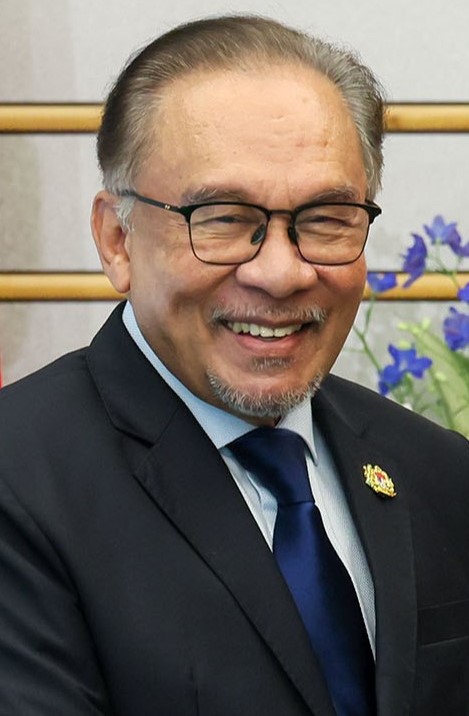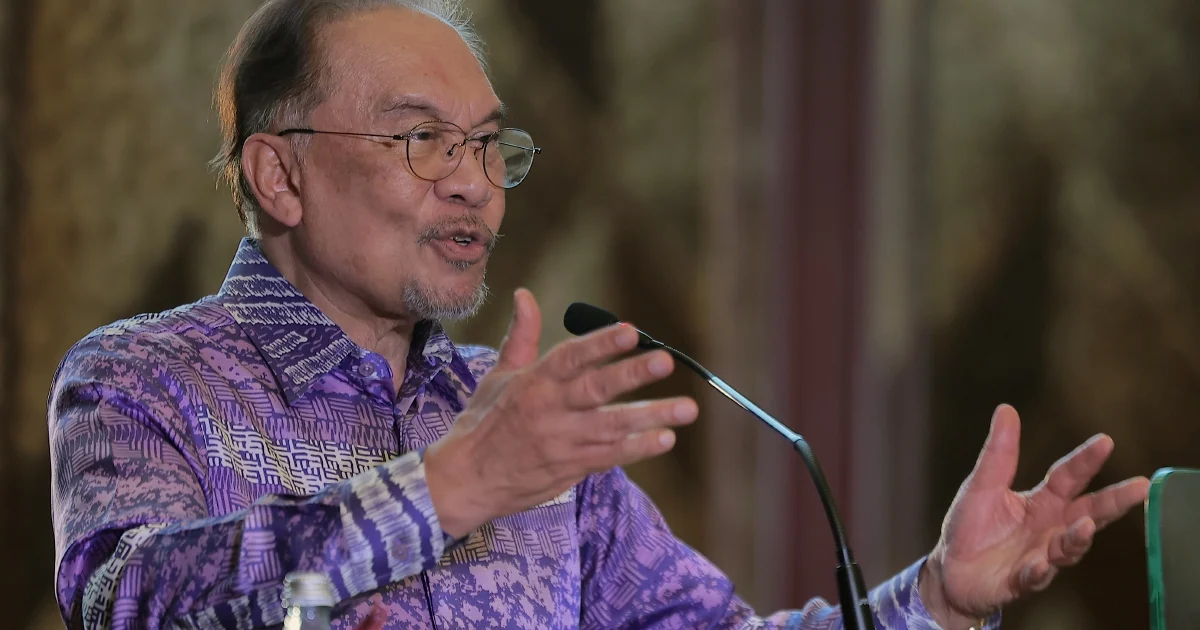
Prime Minister Datuk Seri Anwar Ibrahim will undertake a two-day working visit to Kazan starting June 17, where he is scheduled to meet with Rais of the Republic of Tatarstan Rustam Minnikhanov, according to Malaysian diplomatic representatives. The visit represents a significant diplomatic overture at a time when regional powers are recalibrating their foreign policy approaches in response to evolving global tensions and economic interdependencies.
The timing of Anwar's Kazan engagement holds particular strategic weight for Malaysia. As ASEAN navigates increasingly complex international relations, direct engagement between senior Malaysian officials and regional Russian leadership provides a valuable platform for substantive dialogue beyond multilateral frameworks. The visit underscores Malaysia's pragmatic approach to maintaining balanced relationships across major power blocs, a cornerstone of the nation's foreign policy doctrine that has served it well throughout various global transformations.
Tatarstan, situated at the crossroads of Europe and Asia, serves as a crucial economic hub for Russia. The region has historically positioned itself as a bridge between Western and Eastern markets, making it an attractive partner for developing nations seeking diversified trade relationships. For Malaysia, engagement with Tatarstan leadership opens pathways toward understanding Russian investment opportunities, particularly in sectors where Malaysian expertise and resources could create mutual benefit.
The bilateral dimension of this visit carries immediate practical implications. Discussions between Anwar and Minnikhanov are expected to explore avenues for expanding trade, investment cooperation, and cultural exchanges. Malaysia's experience in Islamic finance, halal industries, and palm oil production could complement Tatarstan's agricultural and industrial capabilities. Similarly, Russian expertise in energy, technology, and defence manufacturing presents opportunities that Malaysian businesses and institutions could leverage for development purposes.
Beyond bilateral matters, the visit signals Malaysia's commitment to strengthening ASEAN-Russia relations as a bloc. Malaysia's current engagement with Russian officials carries weight within the Southeast Asian regional framework, where consensus-building and collective positioning remain essential. By pursuing direct diplomatic channels, Malaysia can facilitate broader ASEAN-Russian understanding and cooperation, potentially identifying shared interests in trade facilitation, energy security, and educational exchanges that benefit the entire region.
The geopolitical context surrounding this visit cannot be overlooked. Russia's evolving relationship with Asian nations has become increasingly important as Western sanctions and international isolation drive Moscow toward alternative partnerships. For ASEAN nations, including Malaysia, this presents both opportunities and considerations. Deepening ties with Russia must be calibrated carefully to maintain the region's nonaligned positioning and avoid being drawn into great power competition dynamics that could undermine ASEAN unity and centrality.
Energy cooperation represents a particularly promising avenue for Malaysia-Russia engagement. As Malaysia seeks to diversify its energy sources and secure stable supplies, Russian hydrocarbon expertise and resources could prove valuable. Conversely, Russian interest in Asian markets creates complementary incentives for developing energy partnerships that could benefit both economies while contributing to regional energy security—a critical concern for Southeast Asia given its dependence on global energy supply chains.
Anwar's visit also reflects Malaysia's recognition of Tatarstan's unique position as a culturally diverse region with significant Muslim populations. This demographic reality creates natural bridges for people-to-people exchanges and educational cooperation. Malaysian universities and religious institutions could develop partnerships with Tatarstan counterparts, fostering long-term relationships that transcend governmental cycles and create lasting people-to-people bonds.
The diplomatic groundwork laid during this visit may facilitate future high-level engagements and institutional arrangements between Malaysian and Russian entities. Such structured interactions typically lead to establishment of joint commissions, business councils, and academic forums that operationalise bilateral intentions and create sustained momentum for cooperation. For Malaysian companies and institutions, these formal mechanisms provide confidence and clarity for engagement with Russian partners.
From a broader Southeast Asian perspective, Malaysia's proactive approach to Russia relations demonstrates the region's commitment to maintaining strategic autonomy in an increasingly multipolar world. Rather than deferring to external pressure to take positions in global rivalry narratives, ASEAN nations like Malaysia are choosing direct engagement and relationship-building as tools for protecting their interests and advancing their development agendas.
The visit's outcomes will likely influence how other ASEAN members calibrate their Russia engagement going forward. As a significant regional economy with considerable diplomatic influence, Malaysia's diplomatic initiatives often set precedents or establish frameworks that other Southeast Asian nations consider. This visit therefore carries implications extending well beyond bilateral Malaysia-Russia relations into the broader regional dynamics shaping ASEAN's international positioning and collective decision-making.
Looking ahead, the success of this Kazan engagement may pave the way for deeper institutional partnerships and possibly elevated diplomatic representation between Malaysia and Russia. The establishment of working mechanisms and regular dialogue channels would institutionalise the relationship and ensure continuity beyond individual political cycles or external pressures, ultimately serving Malaysia's long-term strategic interests in maintaining balanced, pragmatic international relationships.