Prime Minister Datuk Seri Anwar Ibrahim's working visits to Kazan, Russia and Ashgabat, Turkmenistan have culminated in strategic breakthroughs that promise to reshape Malaysia's energy landscape and buttress long-term economic stability. The achievements recorded during these engagements reflect a calculated approach to diversifying Malaysia's hydrocarbon procurement and expanding the operational footprint of the nation's flagship energy corporation on the global stage.
Malaysia has secured a watershed commitment from Russia to supply crude oil, gas and diesel under an extended contractual arrangement, marking what government officials characterise as a pivotal development in the country's energy security architecture. This agreement addresses a persistent concern for policymakers: ensuring reliable access to fossil fuels at predictable costs whilst reducing dependence on traditional suppliers in the Middle East and Southeast Asia. For Malaysian consumers and industries reliant on affordable energy inputs, such diversification offers tangible protection against supply disruptions and price volatility in regions prone to geopolitical tensions.
The Turkmenistan leg of the Prime Minister's journey yielded equally consequential results. PETRONAS, through its subsidiary Petronas Carigali (Turkmenistan) Sdn Bhd, has acquired developmental rights to two substantial gas blocks, a triumph that underscores the national oil and gas corporation's capacity to compete and expand in challenging global markets. The securing of these blocks represents not merely a corporate achievement but a strategic asset for Malaysia, positioning PETRONAS to capture value from Central Asian hydrocarbon reserves and channel returns back to the federal government as dividends and royalties designated for nationwide development initiatives.
The framework underpinning the Turkmenistan arrangement extends beyond immediate production ambitions. A formalised Framework Agreement on Long-Term Cooperation for the Development of Hydrocarbon Resources establishes a durable institutional mechanism through which Malaysia and Turkmenistan can deepen partnership across the full hydrocarbon value chain. The agreement explicitly contemplates opportunities in downstream sectors including oil refining, gas processing and gas chemicals manufacturing, pathways that could eventually attract investment and foster industrial clustering within Malaysia's energy ecosystem.
The Galkynysh field, referenced as a potential focus area, represents one of the world's most significant untapped natural gas reserves. For Malaysian interests to participate in its development constitutes a strategic positioning that few Southeast Asian nations can claim. Accessing such reserves ensures long-term supply security whilst potentially allowing PETRONAS to participate in projects that generate substantial returns over decades, revenue streams that can fund both corporate expansion and government expenditure on infrastructure and social programmes.
These diplomatic and commercial victories materialised within a broader context of strengthened bilateral ties. The 35th ASEAN-Russia Commemorative Summit, which Anwar attended in Kazan alongside Investment, Trade and Industry Minister Datuk Seri Johari Abdul Ghani and Economy Minister Akmal Nasrullah Mohd Nasir, provided a platform for renewed cooperation spanning energy security, trade, investment, tourism and technology. The Prime Minister's presence alongside senior economic ministers signalled that energy negotiation was merely one component of a comprehensive agenda to deepen Malaysia-Russia commercial engagement across multiple sectors.
The tangible impact of these breakthroughs became evident within days. Anwar announced a reduction in diesel prices on June 21, a measure that government officials explicitly linked to improved energy security and supply prospects flowing from the Russian and Turkmenistan agreements. Cheaper diesel ripples through Malaysia's economy, reducing transportation costs for logistics firms, lowering expenses for manufacturers dependent on diesel-powered equipment, and easing cost-of-living pressures on middle and lower-income households reliant on diesel-powered vehicles. The price reduction thus translates abstract diplomatic achievement into immediate, palpable benefit for ordinary Malaysians.
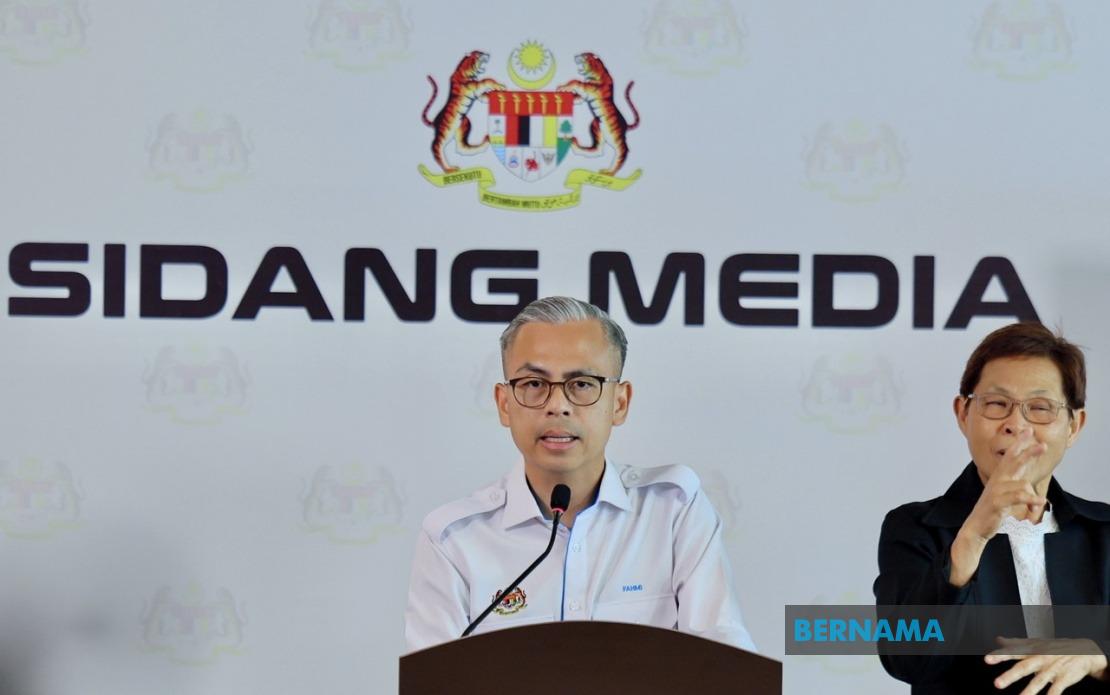
Government Communications Minister Datuk Fahmi Fadzil, speaking at a weekly press conference, emphasised the intergenerational dimension of these outcomes. He noted that PETRONAS' 30-year operational presence in Turkmenistan provided both continuity and credibility for the new venture, whilst the dividends and returns flowing from expanded operations would support national development priorities over coming decades. This framing positions energy diplomacy not as a narrow commercial transaction but as an investment in Malaysia's future prosperity and capacity to fund infrastructure, education and healthcare expansion.
For Southeast Asian observers, these developments carry broader implications. Malaysia's ability to negotiate major energy agreements with Russia and Turkmenistan whilst maintaining ASEAN solidarity and engagement with diverse partners demonstrates diplomatic flexibility and economic pragmatism. As global energy markets remain volatile and geopolitical competition intensifies, the region's economic security increasingly depends on individual nations securing diversified supply arrangements. Malaysia's recent success in doing so provides a template and demonstrates that Southeast Asian countries need not accept constrained energy options but can actively negotiate advantageous long-term commitments with distant suppliers.
The strategic value extends to PETRONAS' corporate positioning. Expanding operational presence in Central Asian hydrocarbon fields strengthens the company's claim to rank among the world's leading integrated energy corporations. Enhanced exploration and production portfolios in geographically diverse regions reduce concentration risk, improve the company's resilience against cyclical downturns in any single region, and generate earnings that support dividend payments to shareholders and support Malaysian government revenue. Strengthening PETRONAS thus simultaneously fortifies a nationally significant asset and enhances the government's capacity to fund public services and development priorities.
These energy arrangements arrive at a moment when Malaysia must balance immediate pressures on household budgets and manufacturing competitiveness against long-term infrastructure and development needs. By securing diversified, long-term supply relationships and expanding PETRONAS' revenue-generating operational footprint, the Anwar government has positioned Malaysia to manage both current economic challenges and future growth requirements. The achievements underscore how strategic diplomacy, commercial acumen and patient relationship-building with distant partners can generate tangible, sustained benefits for a nation's population and economic prospects.

