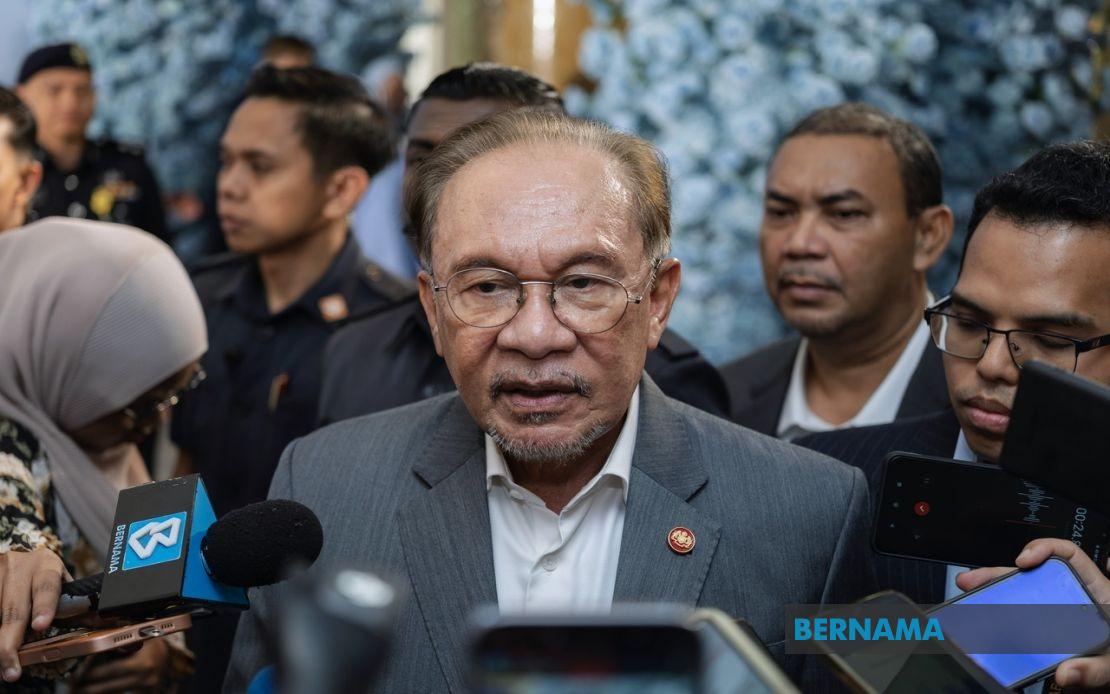
Prime Minister Datuk Seri Anwar Ibrahim has not yet received a formal briefing regarding the circumstances that prompted four Melaka DAP state assemblymen to abruptly exit the state government, though he confirmed that the Pakatan Harapan leadership intends to address the matter urgently. Speaking to reporters in Kuala Lumpur on July 15, the Prime Minister, who also chairs the PH coalition, indicated that relevant parties would initiate follow-up discussions in the near term without specifying a timeline or the nature of the anticipated intervention.
The sudden withdrawal marked a significant fracture within the state administration's ruling coalition. Allex Seah Shoo Chin of Kesidang, Low Chee Leong of Kota Laksamana, Leng Chau Yen of Banda Hilir, and Kerk Chee Yee of Ayer Keroh announced their immediate departure from the Melaka state government the previous day. The four representatives cited constitutional amendments passed by the State Legislative Assembly as the trigger for their decision, specifically objecting to provisions that would permit the appointment of nominated assemblymen—a mechanism that fundamentally alters the composition and legitimacy of the legislature.
The timing of the exodus underscores mounting tensions between DAP's grassroots membership and state-level governance calculations. Nominated seats, which bypass the electoral process entirely, have long been viewed by democratic purists within the party as antithetical to the principle of earned representation. The constitutional amendment therefore represented a departure from positions that DAP has traditionally championed when in opposition, raising questions about the party's willingness to compromise core principles once it gained executive power in Melaka.
Prior to the assemblymen's formal announcement, Anwar had already appealed to Melaka DAP to reconsider the withdrawal, urging the representatives to shelve their departure plans temporarily. His intervention signalled concern at the highest level that the departure would damage the administration's capacity to function effectively and deliver on development pledges to Melaka constituents. The appeal, however, went unheeded, suggesting that grievances among the four assemblymen had reached a threshold beyond diplomatic persuasion.
The loss of four representatives simultaneously represents a material reduction in PH's numerical strength in the Melaka State Legislative Assembly, complicating legislative arithmetic and potentially jeopardising the coalition's ability to pass budgets, laws, and policies without securing support from opposition benches or independent assemblymen. Such arithmetic vulnerabilities have historically invited defections, as minority partners recognise their diminished leverage and seek better terms elsewhere. The ramifications extend beyond Melaka, as other component parties within PH may interpret the episode as evidence that DAP is willing to sacrifice allies for constitutional expedience.
The constitutional amendment permitting nominated assemblymen warrants closer examination in the Malaysian political context. Whilst nomination mechanisms exist in other state legislatures and at federal level, Melaka's decision to expand their deployment triggered particular controversy because it appeared to elevate unelected representatives at a moment when DAP was simultaneously losing elected members. Critics contend that nomination blunts accountability, as appointed assemblymen need not answer to voters and may prioritise patronage relationships over constituent welfare. The optics proved damaging for a coalition that had positioned itself as a democratic alternative to entrenched practices.
The episode reflects deeper fissures within DAP itself regarding the balance between pragmatic governance and ideological consistency. The party's federal leadership, including several cabinet ministers, must weigh the political costs of supporting measures at state level that could alienate support among urban, educated voters who have traditionally backed DAP in elections. Yet simultaneously, state governments require legislative flexibility to manage coalitions and advance agendas. This tension between principle and practice has manifested repeatedly in DAP's history, but the Melaka situation crystallises the dilemma in particularly stark terms.
Anwar's position as both Prime Minister and PH chairman grants him considerable authority to shape coalition discipline and internal dispute resolution. Yet his lack of immediate briefing on the Melaka situation suggests that DAP may have deliberated internally and executed the withdrawal strategy without full coordination with the broader PH apparatus. This procedural shortcoming itself merits examination, as it indicates inadequate internal communication channels and potentially reflects deeper organisational fragmentation within the coalition at state and federal levels.
The follow-up action that Anwar promised will likely involve detailed discussions with DAP leadership regarding motivations behind the four assemblymen's departure, assessment of whether reconciliation remains possible, and consideration of broader implications for PH's coalition arrangements. Should the withdrawal become permanent, Melaka's state government faces the prospect of reduced legislative capacity and increased reliance on external support, outcomes that neither PH nor the state administration can afford. The incident thus carries consequences that extend well beyond the four individuals involved, touching on the fundamental question of whether PH can maintain internal cohesion whilst managing the inevitable compromises that coalition governance demands.

