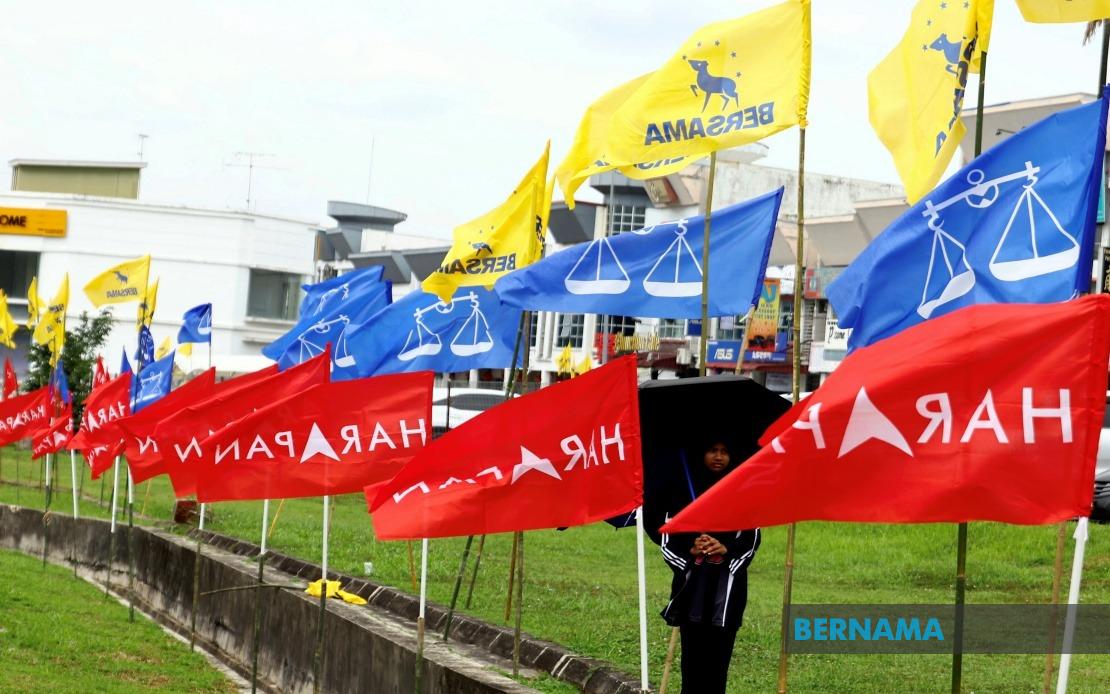
Prime Minister Datuk Seri Anwar Ibrahim has made a direct appeal to voters in Johor to place their confidence in Pakatan Harapan ahead of the 16th state election scheduled for Saturday. Speaking through social media, the PH chairman framed the ballot as an opportunity for the coalition to demonstrate its commitment to advancing the southern state's development agenda and protecting the welfare of its residents.
Anwar's appeal comes as Johor enters its final stretch before polling day, with electoral activity intensifying across the state. The timing of his message reflects the coalition's recognition that the outcome will be consequential not only for Johor's governance but also for the broader political narrative across Malaysia. By personally engaging with voters through digital platforms, Anwar sought to underscore the significance that PH places on the election and its desire to represent Johorean interests at the state level.
The coalition's campaign strategy emphasises continuity and progress, with Anwar pledging that if given the electoral mandate, PH would work diligently to safeguard Johor's economic and social interests while ensuring that development gains benefit all communities across the state. This messaging attempts to position PH as a competent and dedicated alternative administration capable of steering Johor through contemporary challenges while maintaining the state's historical reputation as an economic powerhouse within the federation.
Beyond his written statement, Anwar employed traditional cultural forms to connect with voters, incorporating a pantun verse in one of his social media posts. The verse, which references Johor's famous laksa dish and appeals to Johorean pride and heritage, demonstrates an attempt to frame the election in terms of shared identity and collective responsibility. By invoking imagery of the state's rich cultural legacy and calling on residents to return home to vote, Anwar tapped into emotional and patriotic sentiments alongside rational political messaging.
A significant element of PH's mobilisation strategy has involved encouraging Johoreans living elsewhere in Malaysia to return home to participate in the election. This reflects recognition that diaspora voting patterns could prove decisive in a closely contested race. The appeal to Johor-born voters carries implicit acknowledgement that internal migration and outward movement of working-age populations represent demographic realities that affect electoral participation in Malaysian states, particularly those with strong economic centres that draw workers from surrounding regions.
The election itself involves considerable competition, with 172 candidates contesting for 56 state assembly seats. This candidate density underscores the competitive nature of Johor politics and suggests that multiple political forces are vying for influence in the state. The number of candidates fielded across parties indicates genuine uncertainty about outcomes and demonstrates that no single coalition can take voter support for granted.
For Pakatan Harapan, the Johor election carries weight beyond the state's borders. As a coalition government at federal level, PH's performance in state elections influences perceptions of its administrative capacity and electoral viability. A strong showing in Johor would strengthen the coalition's political position nationally, while a disappointing result could embolden opposition forces and create complications for federal governance. This interconnection between state and federal politics means that voters in Johor, consciously or not, are also making broader statements about national political direction.
The coalition's messaging strategy reflects lessons from previous electoral contests. By focusing on tangible commitments regarding state development and popular welfare rather than abstract political philosophy, PH attempts to ground its appeal in material concerns that resonate with ordinary voters. The emphasis on defending Johor's interests signals recognition that regional pride and state-level identity remain powerful factors in Malaysian electoral behaviour.
Anwar's personal engagement in the campaign, conveyed through his own social media channels rather than filtered through official party apparatus, represents an attempt to build direct connection with voters and convey authenticity. In contemporary electoral contexts across Southeast Asia, prime ministerial intervention in state elections carries symbolic weight, suggesting that national leadership views the outcome as significant and that voter support at the state level will enhance broader political standing.
The appeal to cultural identity through the pantun verse also serves a secondary strategic purpose. By communicating in Malay-language poetic form familiar to most Johorean voters, Anwar demonstrates cultural competence and respect for local traditions, potentially softening any perception that PH represents urban or non-traditional political forces. This cultural messaging coexists with modernist campaign techniques, creating a comprehensive approach designed to appeal across demographic and ideological divides within the Johor electorate.
As voters prepare for Saturday's election, the contest represents more than a routine state-level political exercise. For Pakatan Harapan, success would validate its approach to governance and strengthen its political mandate heading into subsequent electoral cycles. For voters in Johor, the election offers an opportunity to evaluate the coalition's track record and determine whether they wish to extend it governing authority at the state level. Anwar's appeal ultimately asks Johoreans to view the ballot as a choice about their state's future under coalition stewardship.

