Prime Minister Datuk Seri Anwar Ibrahim is set to unveil Pakatan Harapan's full roster of candidates for the 16th Negeri Sembilan state election during a formal ceremony at Dataran Melang in Kuala Pilah on Tuesday, July 14. The announcement marks the culmination of weeks of internal coalition negotiations and will clarify the final distribution of seats across the three main opposition partners vying to govern the central Malaysian state. The timing is strategically significant, providing the coalition with roughly four days before nomination day on July 18 to mobilise its machinery and begin intensive campaigning.
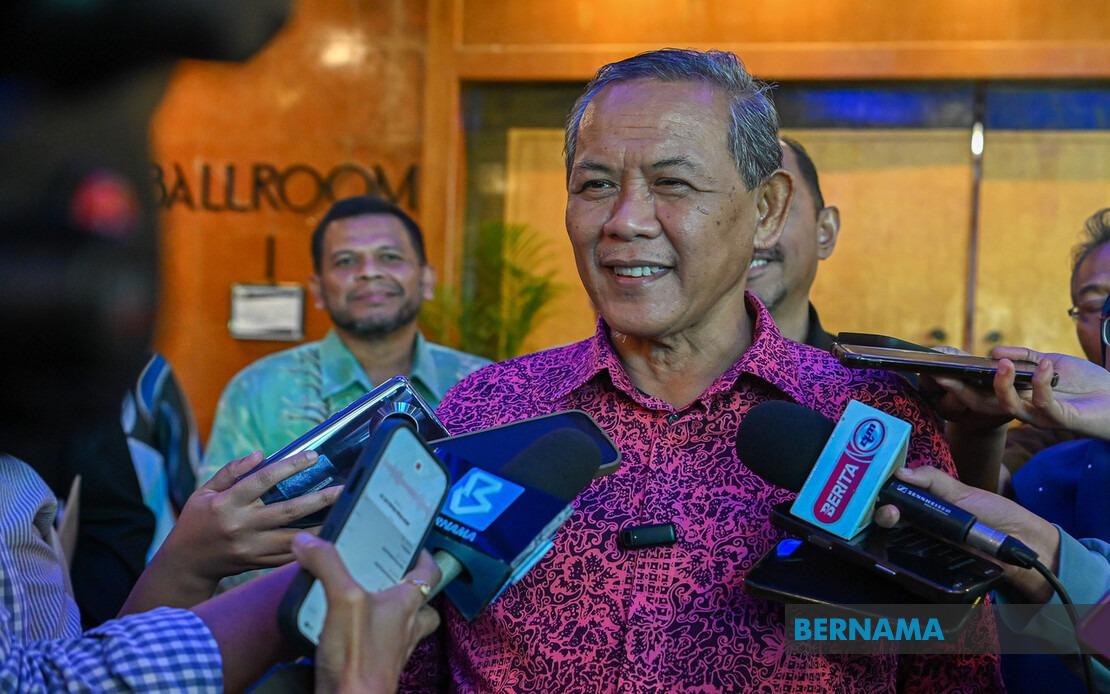
Negeri Sembilan PKR chairman Datuk Seri Aminuddin Harun confirmed that the candidate list has been finalised and formally submitted for the Prime Minister's public endorsement. Speaking to reporters, Aminuddin emphasised that the coalition has completed its internal vetting process, suggesting that potential disputes over contested seats have been resolved. His comments underscore the meticulous coordination required when three parties with divergent organisational structures and grassroots support bases must agree on representation across 36 state constituencies. The PKR leader's involvement in the announcement ceremony reflects his dual authority as Negeri Sembilan Menteri Besar, a position that carries considerable weight in state-level campaign strategy.
The seat allocation between coalition partners had been finalised on June 13, with PKR securing 16 seats—the largest share reflecting its status as the coalition's largest component party—while the Democratic Action Party (DAP) would contest 11 seats and Amanah the remaining nine. This distribution represents a careful balance intended to maximise the coalition's combined vote share while respecting each party's traditional strongholds and support networks. For Malaysian observers, the allocation itself reflects broader patterns in peninsular opposition politics, where seat-sharing agreements often pit urban-oriented DAP against the more geographically dispersed PKR and the religiously-focused Amanah. In Negeri Sembilan's mixed sociodemographic landscape, spanning rural Malay-Muslim areas and increasingly urbanised constituencies around Seremban and Port Dickson, the distribution positioning appears designed to leverage each party's relative strengths.
Aminuddin, when pressed about speculation regarding his own candidacy for the Linggi state seat, declined to provide specifics, instead asking stakeholders to await the formal announcement. His measured response suggests deliberate discretion about his personal electoral prospects, a common practice before official candidate declarations. The Sikamat assemblyman's positioning is worth noting—as the sitting Menteri Besar, his own electoral performance carries symbolic weight for the coalition's viability in the state. Whether he contests or remains focused on administrative leadership would signal the coalition's confidence levels and strategic priorities heading into August's polling.
The electoral calendar is compressed. The Election Commission has designated August 1 as polling day, with early voting scheduled for July 28, compressing the formal campaign period into just 15 days from nomination. This timeline means that Tuesday's candidate announcement becomes a critical juncture, launching the coalition's public-facing campaign activities immediately. For voters, the announcement will finally clarify which party representatives will seek their support in each constituency, enabling informed assessment of candidate quality and party policies. For party machinery across the state, the declaration triggers the operationalisation of ground campaign structures that have likely been preparing for weeks.
Aminuddin's broader comments emphasised that all candidates and coalition components should concentrate on campaign effectiveness rather than internal positioning. His remarks, delivered while presenting Special Grants to 342 Rukun Tetangga units totalling RM342,000, attempted to refocus attention toward coalition unity and electoral competitiveness. The timing of grant disbursement alongside political messaging represents a common pattern in Malaysian electoral politics, where administrative functions and campaign narratives frequently intersect. The Rukun Tetangga grants, directed at neighbourhood security schemes across the state, also underscore the coalition's continued engagement with community-level organisations that remain influential in local electoral dynamics.
For Negeri Sembilan specifically, the upcoming election carries considerable weight within the broader Malaysian political landscape. The state's mixed demographics and shifting voting patterns have made it competitive between Barisan Nasional and the opposition. A strong Pakatan Harapan performance would validate the coalition's continued viability as an alternative government, while a Barisan victory would strengthen claims that the opposition remains fragmented and unable to expand beyond its existing support bases. The state has 1.15 million registered voters spread across diverse constituencies—some homogeneous Malay-Muslim rural seats, others plural urban areas where Indian and Chinese voters form substantial portions of the electorate.
The announcement ceremony itself carries ceremonial importance beyond the mere revelation of names. By positioning Prime Minister Anwar Ibrahim as the official presenter, Pakatan Harapan signals coherence at the leadership level and projects unified messaging to voters and observers. Anwar's personal visibility in the announcement process demonstrates the coalition's commitment to the state contest and provides a leadership focal point for campaign narratives. For supporters and party members, the ceremony becomes a morale-building event, setting the tone for the intensive fortnight of campaigning ahead.
Voters and analysts have awaited this announcement with particular interest given the historical volatility of Negeri Sembilan politics and the stakes involved for both the coalition and Barisan Nasional. The candidate list will reveal not only who is competing but also which incumbents have been retained, which have been replaced, and how the coalition has positioned its strongest campaigners across different regions. These details will provide crucial insight into the coalition's strategic assessment of which constituencies it views as winnable, defensive, or sacrificial. The announcement thus functions as a window into coalition strategic thinking and confidence levels.
Governance considerations also weigh on the election's significance. If Pakatan Harapan retains control of Negeri Sembilan, it would strengthen the coalition's governance portfolio and provide additional resources for policy experimentation. Conversely, if Barisan Nasional captures the state, it would expand the ruling coalition's control of additional state governments and potentially shift the balance in Malaysia's federal parliament depending on the margin of victory and any subsequent political realignments. These broader implications extend far beyond Negeri Sembilan's borders, affecting national political trajectories and coalition dynamics throughout Malaysia.

