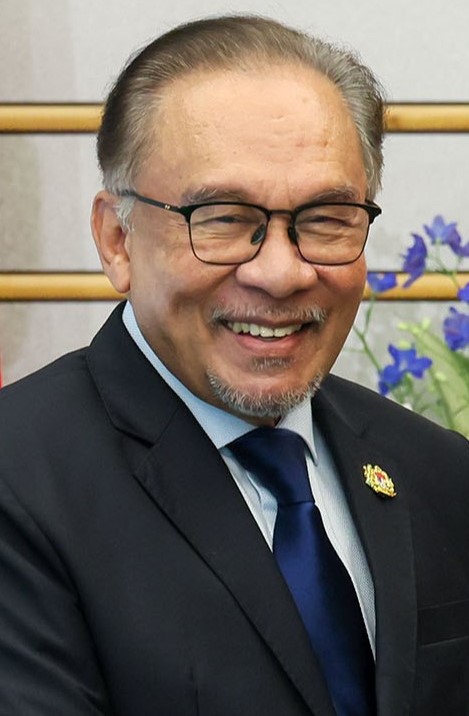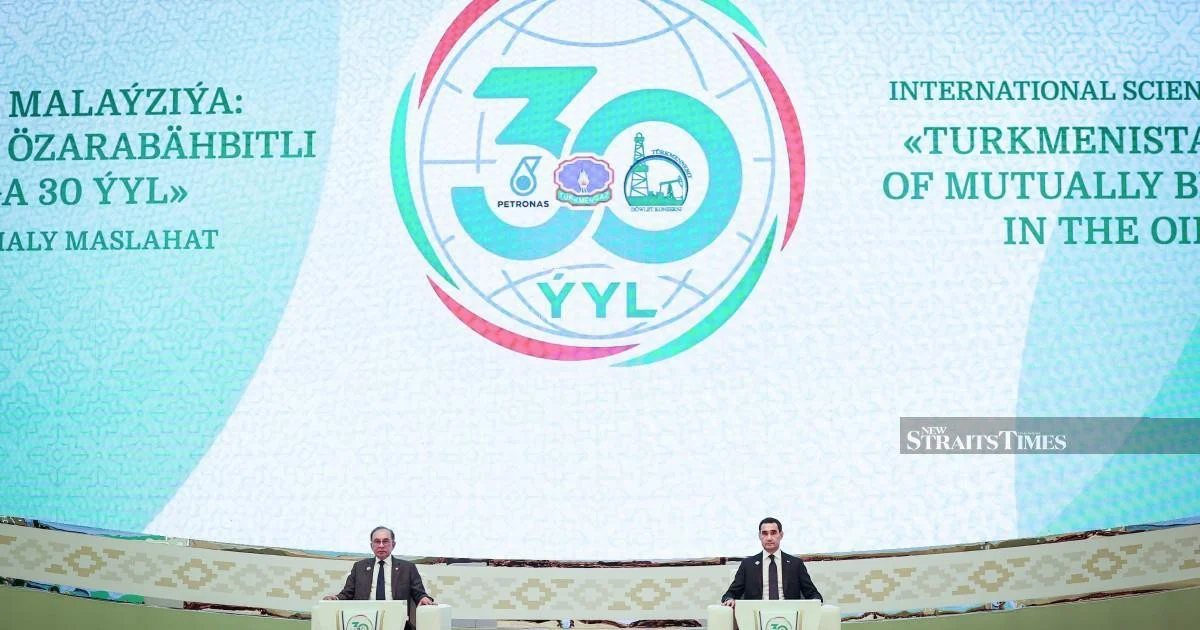
Prime Minister Datuk Seri Anwar Ibrahim's recent tour through Russia and Turkmenistan has delivered concrete gains for Malaysia's energy security framework, marking a significant diplomatic achievement that warrants recognition and closer examination. The visit represents a meaningful expansion of Malaysia's energy sourcing strategy at a time when global markets remain volatile and supply chains unpredictable, positioning the country to leverage relationships with major hydrocarbon producers beyond its traditional Middle Eastern suppliers.
Malaysia's energy landscape has long depended heavily on imports from established partners in the Gulf region, creating concentration risk during periods of geopolitical tension or market disruption. The agreements struck during Anwar's journey to these Central Asian nations demonstrate a calculated effort to build redundancy and resilience into the country's energy portfolio. By establishing stronger commercial ties with Russia and Turkmenistan, Malaysia reduces its vulnerability to supply disruptions while simultaneously broadening its diplomatic influence across Eurasia.
The timing of these engagements carries particular significance given the evolving geopolitical environment in Southeast Asia and beyond. Regional powers are increasingly competing for energy resources and strategic advantage, and Malaysia's proactive approach to securing long-term supply agreements reflects a recognition that energy independence remains a cornerstone of national development. These arrangements are likely to span both crude oil and liquefied natural gas, sectors critical to Malaysia's power generation, petrochemical manufacturing, and broader industrial competitiveness.
Russia, despite international sanctions and economic pressures, remains one of the world's largest oil and gas producers with substantial surplus capacity and competitive pricing structures. Establishing energy partnerships with Moscow provides Malaysia with access to reliable supplies at negotiated rates that can shield domestic industries from volatile international spot markets. Similarly, Turkmenistan possesses enormous natural gas reserves that have historically been underutilised due to limited export infrastructure, making bilateral arrangements with consumer nations like Malaysia increasingly attractive to Ashgabat's policymakers.
For Malaysian businesses, these energy agreements carry downstream implications that extend far beyond the oil and gas sectors themselves. Petrochemical manufacturers, power utilities, and industrial producers depend on stable, affordable energy supplies to remain competitive in regional and global markets. Reduced energy costs and supply certainty translate directly to improved production margins, enhanced export competitiveness, and job preservation across manufacturing hubs from Johor to Penang. The multiplier effects of energy security ripple through Malaysia's economy in ways that often go unappreciated by the general public.
The diplomatic architecture supporting these agreements also matters significantly. By visiting both nations and conducting high-level negotiations, Anwar has elevated Malaysia's profile as a serious, pragmatic partner capable of engaging constructively with major powers across different geopolitical blocs. This positioning enhances Malaysia's ability to negotiate favourable terms not only on energy but across a broader range of bilateral economic and trade relationships. The visit demonstrates that Malaysia can maintain productive relationships with multiple global powers regardless of their international standing or alignment.
From a regional perspective, Malaysia's energy diversification efforts may also create opportunities for other Southeast Asian nations. Successful models for Central Asian engagement developed through Malaysian experiences could provide templates for similar arrangements by Thailand, Vietnam, and Indonesia. Furthermore, as Malaysia becomes better positioned through diverse energy supplies, it gains greater economic flexibility to pursue strategic initiatives within ASEAN and enhance regional integration projects that depend on economic stability and growth.
The agreements likely include provisions for long-term supply commitments, pricing mechanisms that offer some protection against market volatility, and potentially technology transfer or joint venture components in downstream sectors. Such arrangements typically extend over decades, providing both nations with planning certainty and creating institutional relationships that tend to deepen over time. This long-term orientation contrasts with spot market purchasing, which exposes buyers to dramatic price swings and supply uncertainty.
However, implementing these agreements will require sustained attention to logistics, port infrastructure, and refinery capacity within Malaysia. Energy imports from Central Asia may require different handling procedures and storage infrastructure compared to Gulf-origin crude, necessitating capital investments and operational adjustments. The practical dimensions of executing these deals will determine whether the diplomatic achievements translate into tangible economic benefits for Malaysian consumers and businesses.
The successful conclusion of energy agreements during Anwar's visits also reflects Malaysia's reputation as a reliable, commercially sophisticated partner that honours its commitments. In the competitive arena of international energy diplomacy, trustworthiness and track record matter considerably when suppliers evaluate where to direct their exports. Malaysia's ability to secure these arrangements speaks to the country's standing in global energy markets and the confidence that major producers place in Malaysian counterparts.
Looking forward, these agreements establish a foundation for deeper engagement between Malaysia and Central Asian economies. Energy partnerships often spawn broader commercial relationships as companies from both sides begin collaborating across multiple sectors. The visits may therefore initiate a longer-term strategic realignment that positions Malaysia as a preferred partner for Central Asian nations seeking Asian markets and investment opportunities.
Ultimately, Anwar's successful energy diplomacy in Russia and Turkmenistan represents strategic thinking about Malaysia's future vulnerabilities and opportunities. In an era of energy transition and geopolitical uncertainty, securing diverse, reliable supply sources ranks among the most important contributions a government can make to national prosperity. These agreements warrant credit precisely because they address fundamental economic interests while advancing Malaysia's position within an increasingly complex global system.