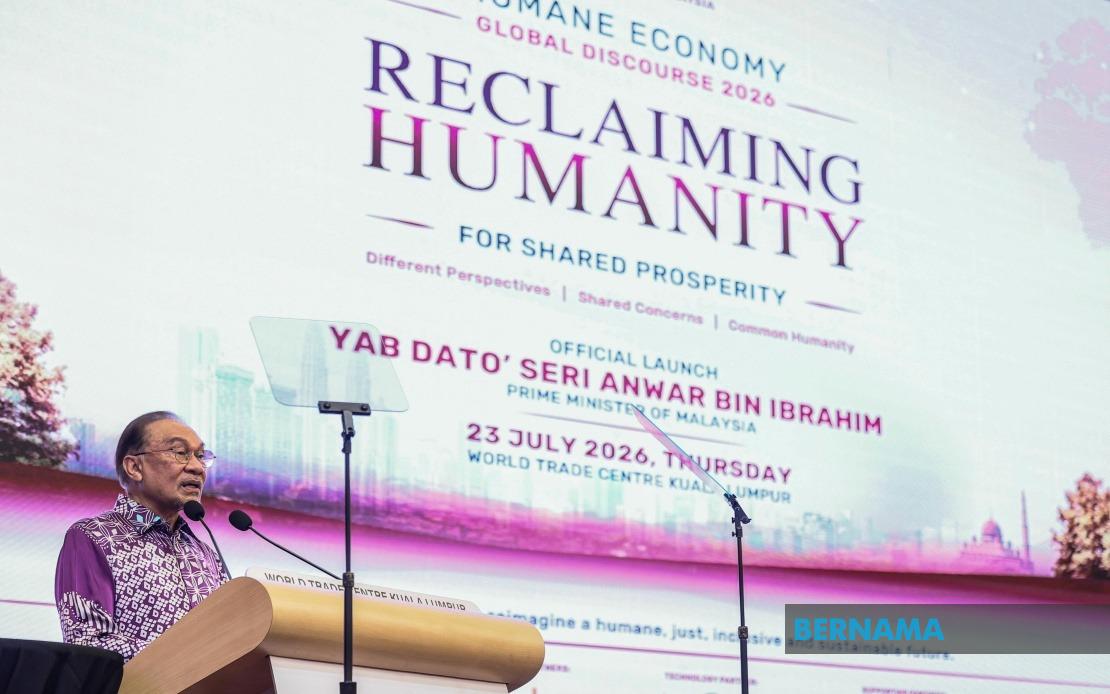
Prime Minister Datuk Seri Anwar Ibrahim announced on July 23 that the government will soon release the final report of the Royal Commission of Inquiry into Tabung Haji, signalling a major milestone in the government's handling of the pilgrimage fund's financial crisis. Speaking to reporters after launching the Humane Economy Global Discourse 2026 in Kuala Lumpur, Anwar outlined a swift timeline for publication, indicating the report could be released as early as that same day or by the following Wednesday, depending on administrative procedures.
The Prime Minister's statement reflects the growing urgency around transparency concerning Tabung Haji, which has faced significant financial difficulties in recent years. Anwar's remarks underscore the government's commitment to keeping the public informed about the findings and recommendations of the inquiry, a position he has consistently emphasised. The decision to move forward with releasing the report demonstrates that the administration views public disclosure as essential to rebuilding confidence in the institution and its recovery trajectory.
Before proceeding with the public release, Anwar indicated he would seek guidance from Chief Secretary to the Government Tan Sri Shamsul Azri Abu Bakar regarding whether Cabinet approval was a prerequisite. This procedural step reflects the formal nature of RCI reports and the need to ensure that all governance requirements are met before sensitive findings are made available to the public. The consultation would determine whether the report needed to be tabled before Cabinet members first, a common practice for inquiries of this significance.
The Prime Minister's framing of the decision emphasised the tension between procedural requirements and democratic accountability. In his characteristic direct manner, Anwar stated that if Cabinet referral proved unnecessary, he would release the report immediately. Should the formal process be required, he committed to releasing it by Wednesday, clearly indicating that any delay would be purely procedural rather than reflective of government reluctance to share the findings. This stance underscores Anwar's positioning as a champion of transparency, a theme that resonates with his broader governance agenda.
The Tabung Haji inquiry itself carries considerable weight for Malaysian policymaking and public administration. The fund, which manages savings for Muslims performing the Hajj pilgrimage, is a deeply significant institution within Malaysia's Islamic financial ecosystem. Its financial difficulties have raised questions about governance, oversight, and the management of public assets, making the RCI report particularly important for understanding what went wrong and how similar situations can be prevented in future.
Anwar's decision to prioritise the report's release reflects a broader philosophy about the government's relationship with the public. By emphasising that citizens have a right to know the inquiry's conclusions, the Prime Minister framed the disclosure not merely as an administrative formality but as a matter of democratic principle. This stance aligns with broader efforts to enhance institutional credibility and demonstrate that the administration takes public scrutiny seriously. For Malaysians monitoring corporate governance standards and government accountability, the release of the RCI findings will provide essential insights into the systemic issues that contributed to Tabung Haji's difficulties.
The timing of the announcement is also noteworthy, coming as it does during a period when the government has been emphasising institutional reform and enhanced oversight mechanisms across the public sector. The establishment of the RCI itself was a recognition that Tabung Haji's situation warranted thorough, independent investigation beyond routine audits or internal reviews. The inquiry's final report will likely contain recommendations that extend beyond Tabung Haji itself, potentially influencing how other government-linked entities or financial institutions structure their governance frameworks.
For investors and fund members, the impending release of the report offers long-awaited clarity on the circumstances that led to the fund's financial stress. The inquiry's findings could have implications for how Tabung Haji proceeds with its restructuring and recovery efforts, potentially influencing changes to management practices, investment strategies, or organisational structure. Additionally, the recommendations may serve as a blueprint for regulatory reforms affecting similar Islamic financial institutions across Malaysia and potentially throughout Southeast Asia.
The government's readiness to release the report also reflects the progress that Tabung Haji has reportedly made in its recovery efforts, as Anwar noted in his remarks. This recovery trajectory suggests that releasing the RCI findings at this juncture would not coincide with an ongoing crisis, which might otherwise complicate communication efforts or market perceptions. Instead, publishing the report against a backdrop of stabilisation and improvement allows policymakers to frame it as part of a broader narrative of institutional renewal and strengthened governance practices.
As Malaysia continues to navigate complex questions about institutional transparency and public accountability, the release of the Tabung Haji RCI report will represent a significant test case for how the government handles sensitive inquiries into high-profile institutions. The coming days will reveal not only the substance of the inquiry's findings but also the government's commitment to substantive, timely disclosure of sensitive public information.

