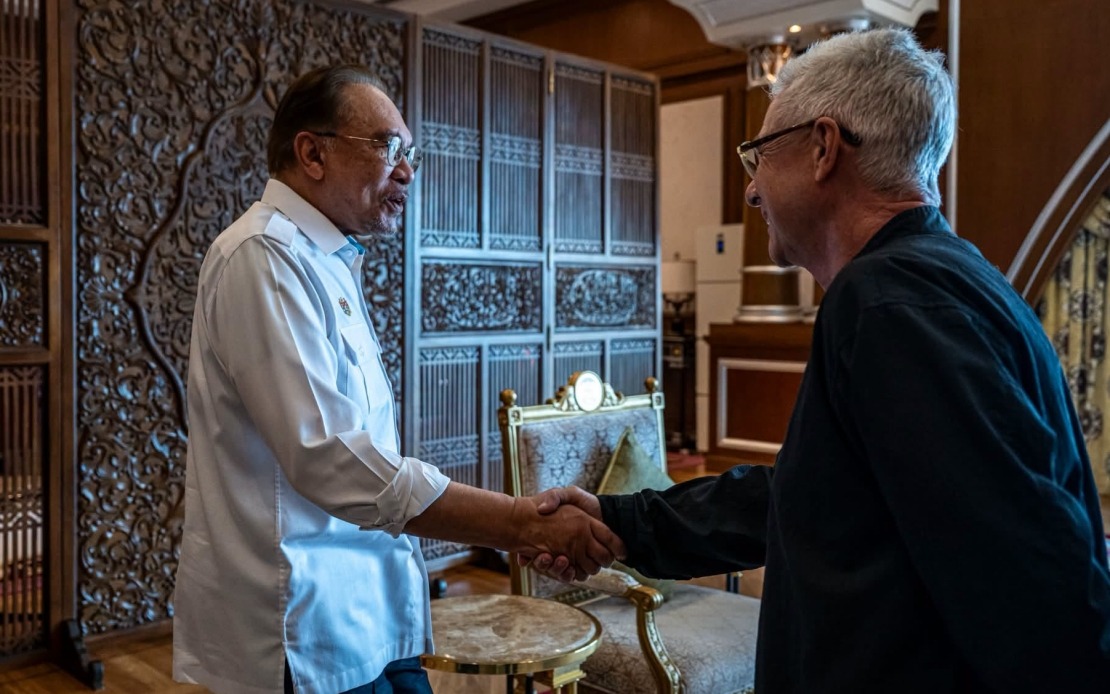
Prime Minister Datuk Seri Anwar Ibrahim has engaged with Singapore's Formula 1 leadership to extract valuable lessons from one of Asia's most successful motorsport events, positioning Malaysia's return to the global racing calendar as a carefully orchestrated opportunity to establish itself as a regional sporting destination. The meeting with Singapore Grand Prix Executive Director Michael Roche signals a strategic approach to hosting the Formula 1 Gulf Air Bahrain Grand Prix, which will take place at Sepang International Circuit from October 2 to 4, 2026, under an unprecedented collaboration between Malaysia and Bahrain announced by the FIA and Formula 1.
The consultation underscores Malaysia's recognition that hosting a world-class motorsport event demands more than just infrastructure and track readiness—it requires operational excellence, logistical coordination, and stakeholder management. Singapore has cultivated a global reputation for flawlessly executing its night-race event, transforming it into one of Formula 1's marquee races whilst simultaneously generating substantial returns for the city-state's economy. By examining Singapore's methodologies and operational frameworks, Malaysia aims to replicate that success whilst adapting practices to local conditions and capabilities.
The anticipated economic benefits form the cornerstone of Malaysia's enthusiasm for this venture. Anwar emphasised that the October event is projected to generate significant economic spillover through enhanced tourism inflows, employment opportunities across multiple sectors, ancillary business activities, and restored confidence amongst both domestic and international investors. These outcomes align with Malaysia's broader economic diversification strategy, which seeks to leverage signature events as catalysts for broader commercial activity and international profile elevation.
The connection between this Grand Prix and Visit Malaysia 2026, the nation's tourism campaign, illustrates how Malaysia intends to leverage the racing spectacle as a gateway for visitor acquisition. A successful Formula 1 event typically draws international media coverage worth hundreds of millions in advertising equivalent, reaches billions of viewers worldwide, and positions the host city prominently in global consciousness. For Malaysia, which has undergone significant repositioning efforts in recent years, such visibility represents an invaluable asset for attracting leisure travellers, business delegations, and long-term investors across sectors from technology to manufacturing.
The decision to hold Bahrain's Grand Prix at Sepang represents a notable reversal of Malaysia's motorsport fortunes. The Sepang International Circuit hosted the Malaysian Grand Prix consistently from 1999 through 2017, establishing itself as a fixture on the Formula 1 calendar and a source of national pride. However, escalating hosting costs and licensing fees eventually rendered the event economically unviable, leading to its deletion from the schedule six years ago. The track has since hosted other international racing series and events, but nothing of Formula 1's stature and commercial magnitude.
The geopolitical circumstances surrounding this arrangement merit scrutiny. The Bahrain Grand Prix was originally scheduled for April at the Bahrain International Circuit but was postponed to October following escalating tensions across West Asia. Malaysia's acceptance of this race presents both opportunities and considerations regarding its international standing and regional relationships. The decision demonstrates Malaysia's willingness to embrace opportunities arising from regional instability, though it also positions the nation as a trusted alternative venue capable of delivering world-class events when established locations face disruptions.
Anwar's commitment to ensuring the event meets international standards whilst strengthening Malaysia's position as a regional motorsports hub reflects an ambition that extends beyond a single weekend in October. The statement suggests aspirations to establish Malaysia as a preferred destination for international motorsport sanctioning bodies, potentially attracting additional Formula 1 races, World Endurance Championship events, or other premium racing series. This would constitute a fundamental shift in Malaysia's global sporting profile and could generate recurring economic benefits extending across multiple years.
The operational challenges ahead should not be underestimated. Sepang has undergone changes since hosting its final Malaysian Grand Prix in 2017, and significant investment in facilities, ticketing systems, hospitality infrastructure, security arrangements, and broadcast capabilities will be necessary. Additionally, Malaysia must coordinate with international Formula 1 stakeholders, Bahrain's representatives, hospitality providers, transportation authorities, and security agencies across multiple jurisdictions to deliver a seamless experience.
For Malaysian businesses, the October 2026 Grand Prix presents tangible opportunities. Construction and renovation contractors will be engaged for facility upgrades; hospitality providers will service international visitors and corporate clients; transportation companies will manage logistical demands; security firms will oversee event safety; and local suppliers across food, beverages, and services will capitalise on increased demand. Moreover, the event positions Sepang and its surrounding commercial precincts for longer-term development as a premier sports and entertainment destination.
The timing is also significant for Malaysia's broader positioning within Southeast Asia. Singapore's Formula 1 success has elevated its regional profile and generated substantial competitive advantages in tourism and business attraction. Malaysia's return to hosting a Formula 1 event signals confidence in its capabilities and renewal of its competitive footing in the region's high-profile sporting landscape. This carries implications for Malaysian tourism marketing, business conference hosting capabilities, and international perceptions of Malaysia's stability and operational competence.
Anwar's direct engagement with this initiative demonstrates high-level government commitment, signalling to international partners and domestic stakeholders alike that Malaysia takes this opportunity seriously. Such political backing typically facilitates coordination across government agencies, improves resource allocation, and accelerates decision-making processes essential for complex event delivery. It also provides assurance to Formula 1 and international partners regarding Malaysia's reliability as a venue partner.
Looking forward, the success of this October 2026 event could reposition Malaysia within Formula 1's strategic thinking. If properly executed, Malaysia might secure not only recurring Bahrain races but also consideration for hosting additional Formula 1 events, potentially even restoring an exclusively Malaysian Grand Prix to the calendar. This would represent a significant achievement for the nation's sporting administration and would validate the investments and efforts being undertaken currently.

