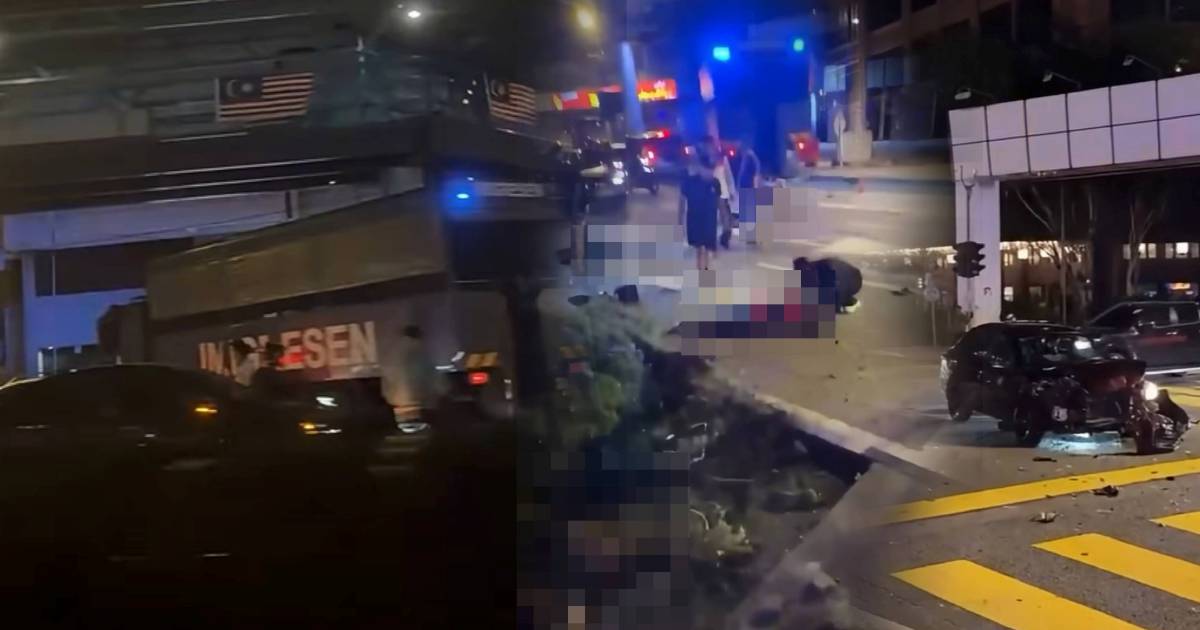
Prime Minister Datuk Seri Anwar Ibrahim has moved swiftly to order a full and urgent investigation into a fatal collision involving an Immigration Department truck that occurred on Jalan Sultan Ismail in Kuala Lumpur in the early morning hours today. The directive underscores the government's commitment to understanding the circumstances surrounding the incident and establishing accountability where necessary.
Such directive-level attention to a single traffic incident reflects the gravity with which authorities are treating the matter, particularly given the involvement of a government vehicle and the loss of life. In Malaysia's busy federal territory, vehicular accidents along major arterial roads like Jalan Sultan Ismail—a key commercial and transport corridor—often draw immediate regulatory scrutiny when they result in fatalities. The involvement of a department vehicle adds another dimension, as it raises questions about vehicle maintenance standards, driver compliance with safety protocols, and operational oversight within government agencies.
The Immigration Department faces significant operational demands given Malaysia's role as a regional hub for migration, tourism, and cross-border trade. The department's vehicles are regularly deployed for enforcement operations, border management activities, and administrative duties across the country. When such vehicles are involved in accidents, particularly fatal ones, the incident can have broader implications for public confidence in government service delivery and operational safety culture within the agency.
Jalan Sultan Ismail, running through the heart of Kuala Lumpur's commercial district, serves as a critical route for both public and commercial traffic. The area experiences substantial congestion during peak hours, and accidents here can disrupt citywide mobility and attract considerable public attention. Early morning incidents on this stretch may have involved factors such as reduced visibility, variable traffic conditions, or vehicle-specific mechanical issues that warrant thorough technical examination.
The Prime Minister's direct involvement in ordering the investigation signals that the government is taking the incident seriously at the highest level. This approach typically accelerates the investigative process and ensures that relevant agencies coordinate effectively. The Immigration Department will likely be required to provide comprehensive details about the truck's maintenance history, the driver's credentials and experience, any mechanical failures, and compliance with road safety regulations. Such investigations often reveal systemic issues that extend beyond the individual incident and can inform broader policy adjustments.
For Malaysian motorists and the public, such incidents raise important awareness about road safety, particularly involving large vehicles that require specialised handling and regular maintenance checks. Government agencies operating fleets carry additional responsibility to demonstrate exemplary safety standards, as their vehicles traverse public roads and are ostensibly managed with public accountability in mind. When government vehicles feature in fatal accidents, it often prompts public discourse about whether sufficient resources are allocated to vehicle maintenance, driver training, and safety protocols within the civil service.
The investigation will likely involve multiple agencies, including the Road Transport Department, police traffic division, and possibly the occupational safety and health authorities, depending on the specific circumstances of the crash. Determining whether the fatality resulted from mechanical failure, driver error, external road conditions, or a combination of factors will require detailed forensic analysis, witness statements, and technical examination of the vehicle. The thoroughness of this investigation may set precedents for how similar incidents involving government vehicles are handled in the future.
Investigations into fatal accidents involving government vehicles also typically examine whether adequate insurance coverage exists, whether next-of-kin notification protocols were followed correctly, and whether any preliminary matters require immediate administrative attention. The Immigration Department may need to arrange alternative transport arrangements for ongoing operational duties while the investigation proceeds, ensuring that essential border management and enforcement functions are not disrupted.
For the Immigration Department specifically, this incident comes amid broader discussions about modernising government service delivery and improving occupational safety standards across the civil service. How the department responds to this investigation—in terms of transparency, willingness to implement recommendations, and demonstrative commitment to preventing similar incidents—will likely influence public perception of its operational competence and safety culture.
The comprehensive investigation ordered by the Prime Minister serves multiple purposes: it will establish the factual circumstances of the crash, identify any systemic vulnerabilities in vehicle management or driver protocols, provide closure for those affected, and inform policy recommendations to prevent similar tragedies. For Malaysian citizens, particularly those in Kuala Lumpur who rely on public infrastructure and interact with government services, such investigations represent an important check on government accountability and a mechanism through which systemic improvements can be implemented across the civil service.

