Prime Minister Datuk Seri Anwar Ibrahim has instructed the Ministry of Human Resources to accelerate the processing of approximately 15,000 outstanding applications from foreign workers, signalling the government's intention to tackle persistent labour shortages that have constrained economic productivity across multiple industries. The directive represents a significant intervention from the highest political level in response to what employers and industry groups have characterised as bottlenecks in the approval system that have delayed hirings and complicated business operations throughout 2024.
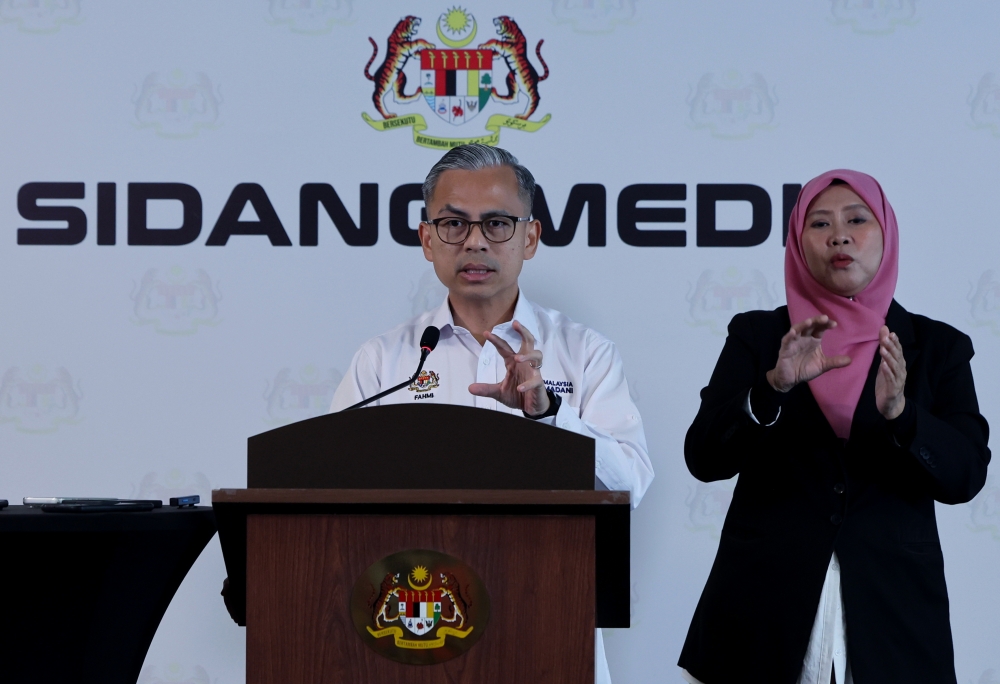
Communications Minister Fahmi Fadzil disclosed the Prime Minister's instruction at a media engagement, indicating that the administration views the rapid clearance of pending applications as essential to maintaining competitiveness in the regional economy. The scale of the directive—encompassing 15,000 cases—underscores the magnitude of the backlog that has accumulated within Kesuma's processing systems, reflecting broader challenges in managing Malaysia's migrant labour intake during a period of economic uncertainty and shifting employment patterns.
The labour market in Malaysia has experienced sustained pressure from skill and wage-cost considerations, with numerous employers in manufacturing, construction, hospitality, and domestic work sectors reporting persistent difficulties in recruiting sufficient workers. Foreign labour has historically filled critical gaps in occupations where local applicants are unavailable or unwilling to work, and the current delays in processing have exacerbated recruitment crises for companies operating under tight deadlines and project schedules. The backlog has become a recurring complaint from industry associations and multinational firms with significant Malaysian operations.
Kesuma's administrative challenges reflect the complexity of vetting foreign worker applications, which must balance economic needs against security, health, and labour standards concerns. The ministry oversees documentation verification, quota allocations by sector and nationality, skills assessments, and coordination with immigration authorities—a multifaceted process that can extend approval timelines substantially. Previous administrations have similarly grappled with processing delays, suggesting that systemic capacity constraints rather than policy reluctance may be the underlying issue.
The Prime Minister's direct intervention indicates government awareness that unresolved labour shortages could dampen economic growth forecasts at a time when Malaysia is competing aggressively with regional peers for foreign direct investment and export market share. Many multinational manufacturing firms have indicated that labour availability is a material consideration in their location decisions, making the swift resolution of application backlogs a strategic economic priority beyond immediate employment concerns.
Geographically, the impact of the 15,000 approvals will likely be concentrated in the Klang Valley, Johor, and Penang—regions hosting the largest concentrations of labour-intensive industries and export-oriented manufacturers. These areas have experienced particularly acute hiring difficulties, with some employers reporting unfilled positions that have rippled through supply chains and affected production schedules. The geographic distribution of foreign workers remains a contentious issue, as some states seek to manage rapid urbanisation and infrastructure pressures associated with large migrant populations.
The directive also touches on broader social and political considerations. Opposition to expanded foreign labour intake has emerged from segments of the Malaysian workforce concerned about wage competition and job displacement, even as employment data shows limited direct substitutability between foreign and local workers in most affected occupations. Political parties have therefore calibrated messaging around foreign labour carefully, emphasising that such workers address genuine shortages rather than displacing Malaysians—a framing the Prime Minister's office appears to be adopting by anchoring the decision within economic necessity.
Regionally, Malaysia's approach to foreign labour policy carries implications for neighbouring countries with large diaspora populations, particularly from Indonesia, Bangladesh, and Myanmar. Processing delays and policy uncertainty create competitive disadvantages relative to Thailand and Singapore, which have undertaken significant administrative reforms to streamline hiring procedures. The government's latest action signals intent to improve Malaysia's standing as an employer destination, potentially attracting workers away from regional alternatives despite occasional political frictions over labour migration.
Fahmi's announcement does not specify timelines for completing the 15,000 applications or additional resources that may be allocated to accelerate processing. The ministry's capacity to meet an accelerated schedule will likely depend on whether temporary staffing increases or procedural streamlining accompanies the directive. Previous announcements of expedited processing have sometimes fallen short of targets, suggesting that administrative will alone may prove insufficient without corresponding operational reforms and investment in processing infrastructure.
The decision reflects broader tensions within government between growth-oriented policymakers and constituencies concerned about labour market competition and social cohesion. By anchoring the foreign worker push within explicit instruction from the Prime Minister, the administration appears to be signalling that economic arguments will take precedence over political concerns about labour migration in the near term. Whether this proves sufficient to maintain public consensus around immigration policy will likely depend on how effectively the government articulates the economic rationale and manages concerns about worker welfare and integration.
Industry observers will watch closely for implementation details and progress benchmarks, as the credibility of government labour policy rests substantially on whether announced accelerations translate into actual approvals. The 15,000-application target represents a meaningful contribution to addressing current shortages, though it addresses only a portion of total foreign worker inflows and demand across the Malaysian economy. Additional measures may be necessary to fully resolve labour market constraints facing employers in coming months.

