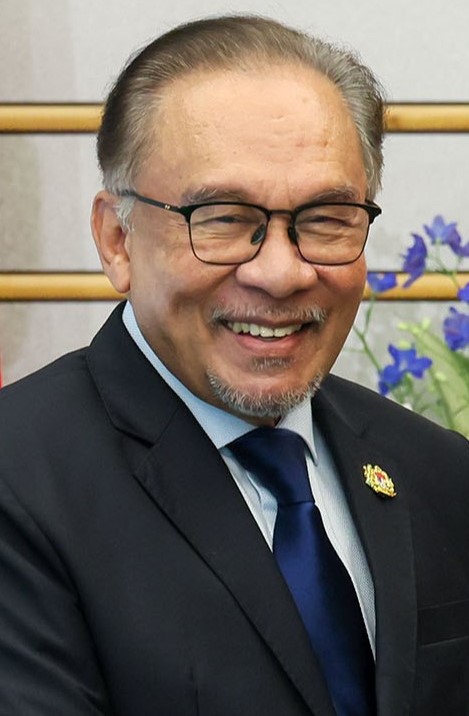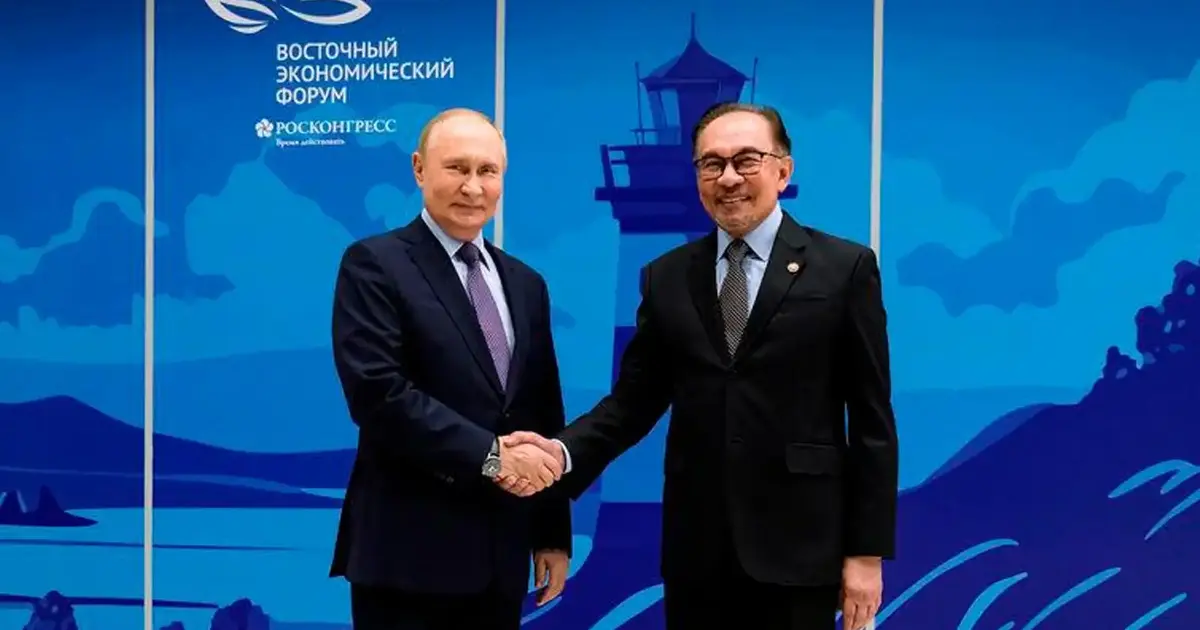
Prime Minister Anwar Ibrahim is preparing to embark on a working visit to Russia beginning tomorrow, where fuel supply discussions with President Vladimir Putin will feature prominently on the diplomatic agenda. The visit signals Malaysia's continued engagement with Moscow on strategic economic matters despite geopolitical pressures, and represents an important opportunity for Southeast Asia to directly address energy concerns with Russian leadership at a time when global oil markets remain volatile.
Anwar's itinerary encompasses not only bilateral meetings but also a multilateral format that will bring together leaders from the Association of Southeast Asian Nations with their Russian counterparts. This expanded diplomatic framework suggests that the discussions will extend beyond Malaysia's immediate commercial interests to encompass broader regional considerations and the collective energy security concerns of Southeast Asia. The involvement of multiple Asean states signals a coordinated approach to energy diplomacy in the region.
Malaysia's interest in Russian fuel supplies reflects the nation's strategic objective of diversifying its energy sources and maintaining stable commodity prices at home. As a country with significant refining capacity and regional trading influence, Malaysia plays a crucial role in Southeast Asia's energy landscape. Discussions on fuel supply at this level typically address both immediate supply arrangements and longer-term energy cooperation frameworks that could benefit the broader region.
The timing of this visit carries particular significance given the current global energy environment. Russia has faced significant sanctions and market disruptions following geopolitical developments, creating both challenges and opportunities for alternative partners seeking to establish or strengthen energy relationships. Malaysia's willingness to engage directly with Russian leadership demonstrates pragmatic foreign policy that prioritises national energy security and economic interests.
Asean's collective approach to energy matters has grown increasingly important as member states navigate competing pressures from major powers and the need to ensure affordable, reliable power supplies for their growing economies. By coordinating through regional mechanisms, Southeast Asian nations can negotiate more effectively and maintain their strategic autonomy. The inclusion of Asean leaders in discussions with Russian officials elevates these conversations beyond simple bilateral trade arrangements.
For Malaysia specifically, fuel supply stability has domestic political implications. Energy costs directly affect consumer prices and industrial competitiveness, making them central to economic management and public perception of government performance. Prime Minister Anwar's direct involvement in these negotiations underscores the political importance attached to securing favourable energy arrangements for Malaysian consumers and businesses.
The bilateral component of Anwar's visit will likely explore opportunities across multiple sectors beyond energy. Malaysia and Russia have historical ties in defence, education, and technology sectors that could be developed further. However, the prominence given to fuel supply discussions suggests this remains the priority concern driving the diplomatic engagement at the highest levels.
Regionally, Malaysia's direct engagement with Russia on energy matters may influence how other Asean members approach their own energy diplomacy. As the second-largest economy in Southeast Asia and a key player in regional multilateral forums, Malaysia's positions often carry weight in shaping collective Asean positions. A successful outcome in securing beneficial fuel supply terms could provide a model for other regional states seeking to strengthen their own energy security.
The geopolitical context of this visit should not be overlooked. Malaysia has historically pursued a balanced foreign policy that maintains relationships with multiple major powers while preserving regional stability. This approach has served the country well during periods of great power competition. Demonstrating engagement with Russia while maintaining existing relationships with Western nations reflects Malaysia's commitment to this balancing act in an increasingly multipolar world.
From an economic perspective, the discussions will likely address pricing mechanisms, volume commitments, payment arrangements, and potentially infrastructure investments required to facilitate energy trade flows. These technical details are crucial for the practical implementation of any agreements reached and will determine whether the diplomatic engagement translates into tangible benefits for Malaysia's energy sector and economy.
The inclusion of fellow Asean leaders in discussions with Russian counterparts opens possibilities for coordinated regional energy initiatives. Whether through joint procurement arrangements, investment in shared infrastructure, or information-sharing mechanisms, multilateral cooperation can amplify the negotiating power of individual nations and create economies of scale in energy transactions.
Looking forward, this visit may establish the foundation for ongoing dialogue between Southeast Asia and Russia on energy matters. Regular high-level engagement could help both sides understand each other's strategic priorities and identify areas of mutual benefit. For Malaysia and the broader region, maintaining diverse energy partnerships remains essential for economic stability and resilience against supply disruptions from any single source.