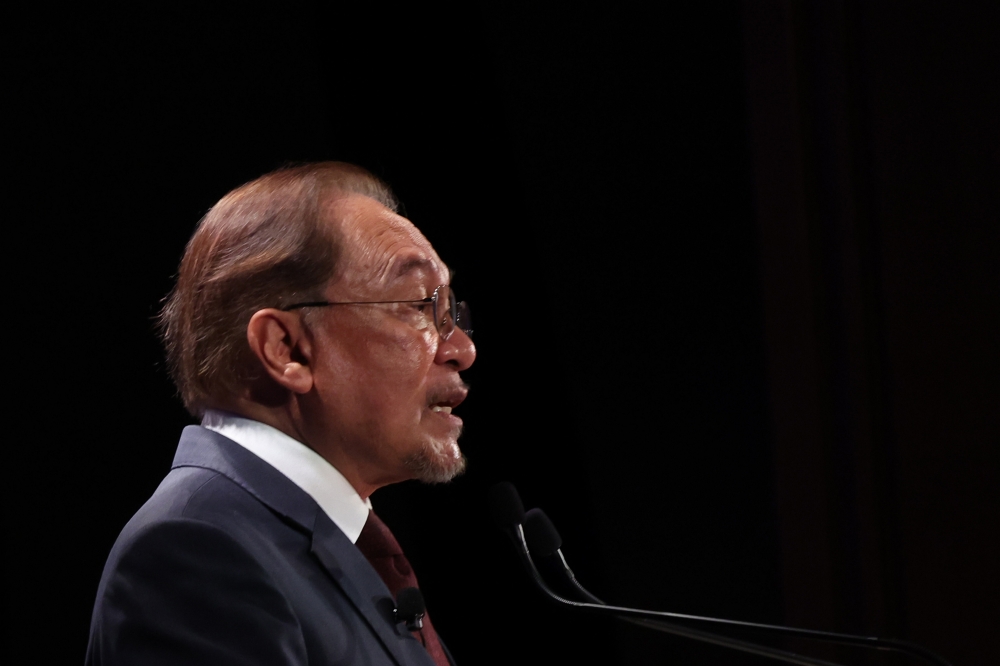
Prime Minister Datuk Seri Anwar Ibrahim has taken legal action by filing a defamation suit against PAS deputy president Tuan Ibrahim Samsudin, marking a significant escalation in the acrimonious political contest between Malaysia's governing coalition and the opposition Islamist party. The legal filing, lodged in Kuala Lumpur on August 11, represents Anwar's response to remarks attributed to Tuan Ibrahim that the Prime Minister contends were false, damaging, and calculated to undermine his reputation and public standing.
The decision to pursue a defamation claim through the courts signals a shift toward judicial recourse in what has become an increasingly bitter political rivalry. Rather than confining the dispute to parliamentary debate or media exchanges, Anwar has chosen to invoke civil law mechanisms to address what his legal representatives characterize as unjustified character attacks. This approach reflects broader patterns in Malaysian politics where high-ranking officials occasionally resort to legal proceedings when facing allegations they deem particularly egregious or damaging to their credibility.
Tuan Ibrahim Samsudin holds a prominent position within PAS, the Pan-Malaysian Islamic Party, which operates as a significant force in opposition politics and maintains substantial influence in several state governments including Terengganu and Kelantan. As deputy president, Tuan Ibrahim occupies a consequential role within the party's hierarchy and frequently articulates the party's positions on matters ranging from Islamic governance to economic policy. His statements therefore carry weight beyond personal commentary, often interpreted as reflecting broader PAS perspectives.
The defamation suit must be understood within the context of Malaysia's complex political landscape, where coalition politics, religious ideology, and factional tensions intersect. Anwar's Pakatan Harapan-led government maintains a precarious parliamentary majority that depends on cooperation from Sabah and Sarawak-based parties and independent lawmakers. PAS, by contrast, has positioned itself as an alternative Islamic authority, frequently criticising the government's approach to religious matters and governance more broadly.
Malaysian defamation law permits individuals, including public figures, to seek damages through civil courts when they claim their reputation has been harmed through false statements. However, such cases involving political figures attract heightened scrutiny, as they raise questions about the appropriate boundaries between legitimate political criticism and actionable defamation. Courts must balance protecting individuals from malicious falsehoods with preserving space for robust democratic debate and political opposition.
The timing of this legal action carries implications for Malaysia's political dynamics as parliamentary sessions proceed and various legislative priorities occupy the government's agenda. Internal coalition management has consistently demanded Anwar's attention, and legal disputes with opposition figures introduce additional complexity to an already intricate political environment. The lawsuit signals that disagreements between Anwar and PAS leadership have deteriorated beyond the threshold of routine political contestation.
PAS has traditionally drawn considerable support from Muslim voters concerned with Islamic governance and religious affairs. The party's leadership frequently presents itself as a more authentically Islamic alternative to secular or Islam-accommodating parties within the Pakatan Harapan coalition. Tensions between PAS and the government reflect fundamental ideological differences regarding Islam's role in governance, particularly around religious education, hudud implementation, and interpretation of Islamic law.
For Malaysian media and legal observers, this case will likely generate significant attention regarding how courts balance defamation protections with political speech considerations. International press freedom and governance watchdogs sometimes scrutinize defamation suits filed by political leaders against opponents, viewing them through the lens of whether they constitute legitimate legal recourse or potential intimidation tactics. The outcome may establish precedents affecting future disputes between prominent political figures.
The defamation filing underscores broader frustrations within Anwar's administration regarding opposition messaging. PAS and allied parties have consistently criticised government policies and Anwar's leadership, sometimes employing inflammatory rhetoric. Whether specific statements crossed from permissible criticism into actionable defamation requires examination of the particular language used and whether statements presented opinions or factual claims that can be proven false.
Regional observers of Malaysian politics will monitor how this case develops, as it may influence calculations regarding political discourse norms and acceptable conduct among major party leaders. The lawsuit's progression through Malaysia's court system could span months or years, potentially becoming a fixture in Malaysian political coverage during that period. Meanwhile, PAS and government relations remain strained across multiple policy domains.
For ordinary Malaysians, the defamation suit reflects the intensifying personalisation of political conflict, where personal legal grievances become vehicles for larger ideological and strategic struggles. Such litigation often generates public interest through media coverage while simultaneously diverting political energy from substantive policy discussions. The case ultimately demonstrates how Malaysia's political competition increasingly incorporates multiple arenas—parliamentary, electoral, media, and judicial—in contested struggles for power and legitimacy.

