%22%2F%3E%3C%2Fpattern%3E%3C%2Fdefs%3E%3Crect%20width%3D%22100%25%22%20height%3D%22100%25%22%20fill%3D%22url(%23ph5naz5g)%22%2F%3E%3Crect%20width%3D%22100%25%22%20height%3D%22100%25%22%20fill%3D%22url(%23ph5naz5p)%22%2F%3E%3Ctext%20x%3D%2250%25%22%20y%3D%2250%25%22%20text-anchor%3D%22middle%22%20dominant-baseline%3D%22central%22%20fill%3D%22rgba(255%2C255%2C255%2C0.95)%22%20font-family%3D%22Georgia%2C%20'Times%20New%20Roman'%2C%20serif%22%20font-weight%3D%22700%22%20font-size%3D%22272%22%20letter-spacing%3D%22-0.02em%22%3EAnwar%3C%2Ftext%3E%3C%2Fsvg%3E)
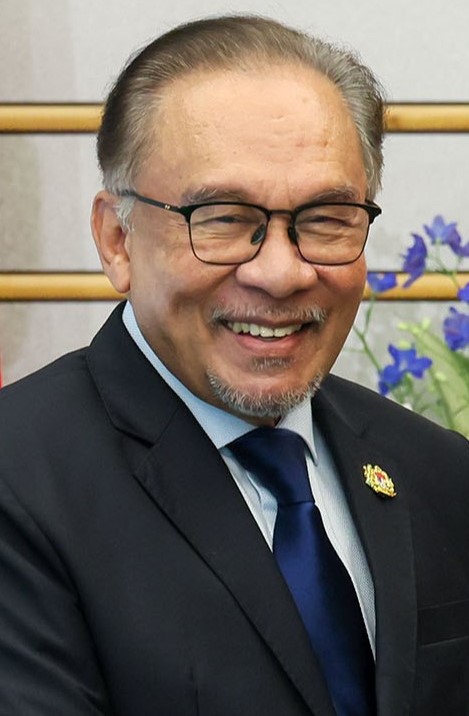
Prime Minister Datuk Seri Anwar Ibrahim has formally congratulated Ethiopian Prime Minister Abiy Ahmed Ali and the Prosperity Party following their triumph in Ethiopia's recent general election, signalling Malaysia's continued commitment to strengthening bilateral relations with the strategically important African nation.
Anwar conveyed his felicitations through a social media post, underscoring the significance of Ethiopia as a pivotal partner in Malaysia's broader engagement strategy across the African continent. The congratulatory message reflects the warm diplomatic relationship that has developed between Kuala Lumpur and Addis Ababa, particularly following high-level exchanges in recent years.
The Malaysian premier recalled his historic visit to Addis Ababa in 2023, which marked the first official visit by a Malaysian prime minister to Ethiopia. During that groundbreaking trip, Anwar received what he characterised as an exceptionally warm reception from his Ethiopian counterpart, during which the two leaders engaged in substantive discussions on matters of mutual interest and regional cooperation.
A key takeaway from Anwar's remarks was his observation that both leaders share a remarkably aligned worldview on contemporary global affairs. This convergence of perspectives is particularly noteworthy given the divergent geographical positions and development contexts of Malaysia and Ethiopia, suggesting a fundamental agreement on fundamental principles governing international relations and South-South cooperation.
Anwar's reference to countries of the Global South working together as equals carries significant weight in the current geopolitical climate. This formulation emphasises partnership based on mutual respect and shared interests rather than the traditional hierarchical power dynamics that have long characterised North-South relations. For Malaysia, this positioning aligns with its longstanding commitment to strengthening intra-regional and South-South dialogue, particularly as developing economies seek greater agency in shaping global affairs.
Ethiopia's importance to Malaysia extends beyond bilateral considerations. As the seat of the African Union and a major continental power, Ethiopia occupies a strategic position in African geopolitics. The nation's stability and progressive governance directly influence broader regional dynamics across East and North Africa, with implications for international commerce, security cooperation, and multilateral engagement.
Anwar's explicit reference to initiatives launched during his 2023 visit underscores an active agenda already underway between the two nations. His commitment to advancing these projects suggests that the bilateral relationship encompasses substantive cooperation across multiple sectors, likely including trade and investment, cultural and educational exchanges, and coordination on international diplomatic matters.
The election victory of the Prosperity Party, which Abiy leads, carries implications not merely for Ethiopia's domestic trajectory but also for regional stability and the direction of African governance more broadly. Abiy's international standing and his vision for Ethiopia's development path will directly shape opportunities for Malaysian engagement with the continent. An internally stable and internationally oriented Ethiopia presents greater possibilities for deepening economic and diplomatic ties.
From Malaysia's perspective, cultivating closer relations with major African powers represents an important component of its diversified foreign policy approach. As Southeast Asia consolidates its influence, Malaysia recognises the value of building strategic partnerships across other developing regions. Ethiopia, with its substantial population, geographic positioning, and continental influence, offers a natural partner for such engagement.
The timing of Anwar's congratulatory message also serves a diplomatic purpose, reinforcing Malaysia's interest in maintaining momentum in the relationship during a period when Ethiopia's leadership receives renewed popular mandate. Such gestures, while symbolic, constitute important elements of international relations, particularly between nations that seek to elevate their bilateral engagement from transactional to genuinely strategic dimensions.
Anwar's emphasis on forward momentum and his expressed eagerness to advance jointly initiated projects suggests that Malaysia views its African engagement as a long-term strategic investment rather than episodic diplomatic courtesy. This approach reflects a maturation of Malaysia's continental strategy, moving beyond occasional high-level visits toward institutionalised cooperation frameworks and sustained institutional engagement.
Looking ahead, the continued strength of Malaysia-Ethiopia relations will likely depend on both nations' ability to translate political goodwill into concrete collaborative projects in areas such as agricultural development, technical expertise sharing, and market access. For Malaysian businesses and investors, the stability and international openness under Abiy's renewed mandate may present fresh opportunities for engagement with one of Africa's fastest-growing economies.