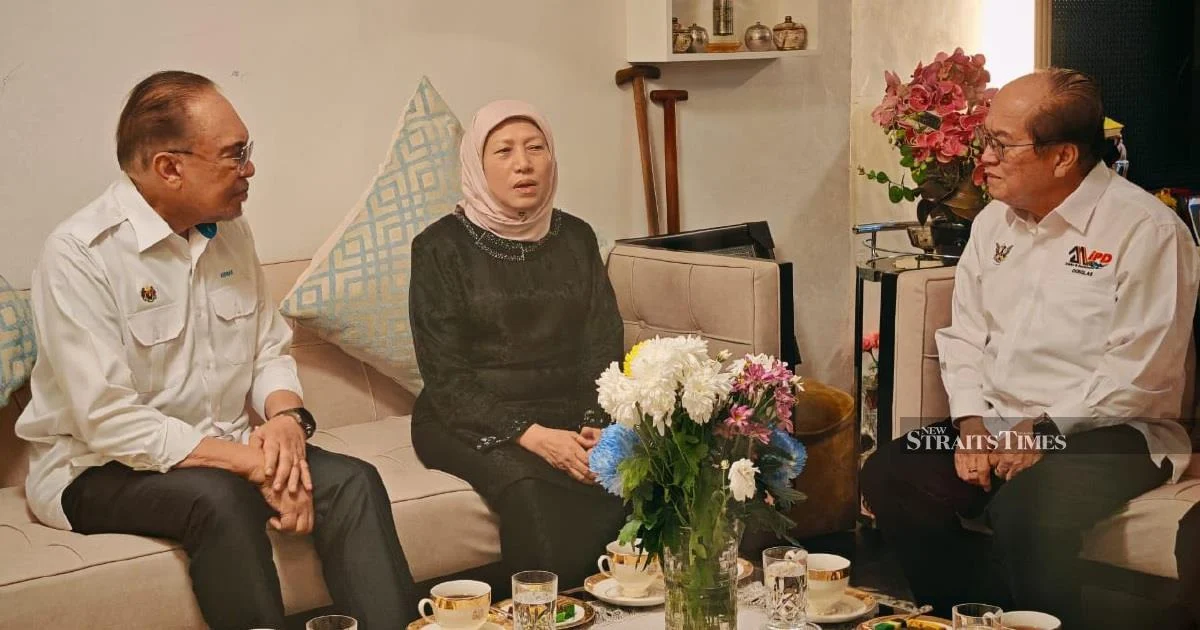
Prime Minister Datuk Seri Anwar Ibrahim made a visit to Women, Family and Community Development Minister Datuk Seri Nancy Shukri in Kuching to pay his respects following the death of her spouse, Datuk Kamil Misuari. The personal gesture reflects customary protocols within Malaysia's political establishment when senior government officials experience bereavement in their immediate families.
Nancy Shukri, a prominent figure in the Sarawak political landscape and a key member of the federal cabinet, has been responsible for overseeing matters related to women's advancement, familial welfare, and community development across the nation. Her ministerial role places her among the more visible female politicians in Malaysia's current administration, making her personal circumstances a matter of public note within political circles.
Condolence visits from the Prime Minister carry significance beyond mere formality. Such occasions underscore the bonds within Malaysia's political leadership and demonstrate institutional respect during moments of personal hardship. For a minister balancing demanding portfolio responsibilities, the presence of the nation's chief executive serves as both acknowledgment of her loss and an affirmation of her position within the government hierarchy.
Datuk Kamil Misuari's death represents a personal loss for the minister's family circle. The visit by Anwar Ibrahim, amidst his extensive official duties managing the country's economic and political agenda, indicates the importance placed on supporting cabinet colleagues during vulnerable periods. Such gestures contribute to maintaining collegial relationships within government, particularly among ministers working in sensitive policy areas.
The Women, Family and Community Development Ministry oversees critical portfolios affecting millions of Malaysians, from domestic welfare programmes to initiatives promoting female participation in the workforce and public spheres. Nancy Shukri's stewardship of this ministry has positioned her as a significant voice in shaping policies that touch family structures and social safety nets across the nation.
Condolences from fellow ministers and government officials typically flow through formal and informal channels during bereavement. The Prime Minister's direct involvement in offering sympathy underscores the magnitude of such occasions within the federal cabinet's internal dynamics. This visit happened in Sarawak, Nancy Shukri's home state, reflecting an effort to pay respects in a familiar and appropriate setting for the grieving family.
Sarawak's political importance to Malaysia's federal framework remains substantial, with the state wielding considerable influence in parliamentary arithmetic and coalition dynamics. Ministers hailing from the state, particularly those holding significant federal portfolios, occupy strategically important positions within the cabinet structure. Nancy Shukri's dual presence as both a federal minister and Sarawak-based politician amplifies her relevance within these arrangements.
The loss of a spouse represents a profoundly personal moment regardless of one's public standing. However, when such loss affects someone serving in high office, it intersects with considerations about ministerial effectiveness and the capacity of public servants to maintain focus on their responsibilities during grief. Prime ministerial visits offer both emotional support and a tangible statement regarding confidence in the minister's continued contribution to government.
Marital partnerships often provide stability to those undertaking demanding public roles. The death of a spouse can create unexpected challenges for individuals juggling family matters with the exacting requirements of ministerial work. The Prime Minister's visit acknowledges these realities while affirming institutional commitment to supporting cabinet members through such transitions.
Malaysia's political culture places considerable emphasis on community obligations and family networks. Anwar Ibrahim's willingness to travel to Kuching for this condolence visit reflects broader cultural norms within the country that value public acknowledgment of personal loss among leadership circles. Such practices reinforce the human dimensions of governance beneath the machinery of state administration.
The incident also highlights the ongoing representation of women within Malaysia's cabinet structure. Nancy Shukri's position as a female minister handling sensitive social policy areas demonstrates the increasing visibility of women in federal executive roles, though parity remains an aspiration rather than current reality. Her continued service despite personal hardship may be viewed through this broader lens of women's advancement in Malaysian public service.

