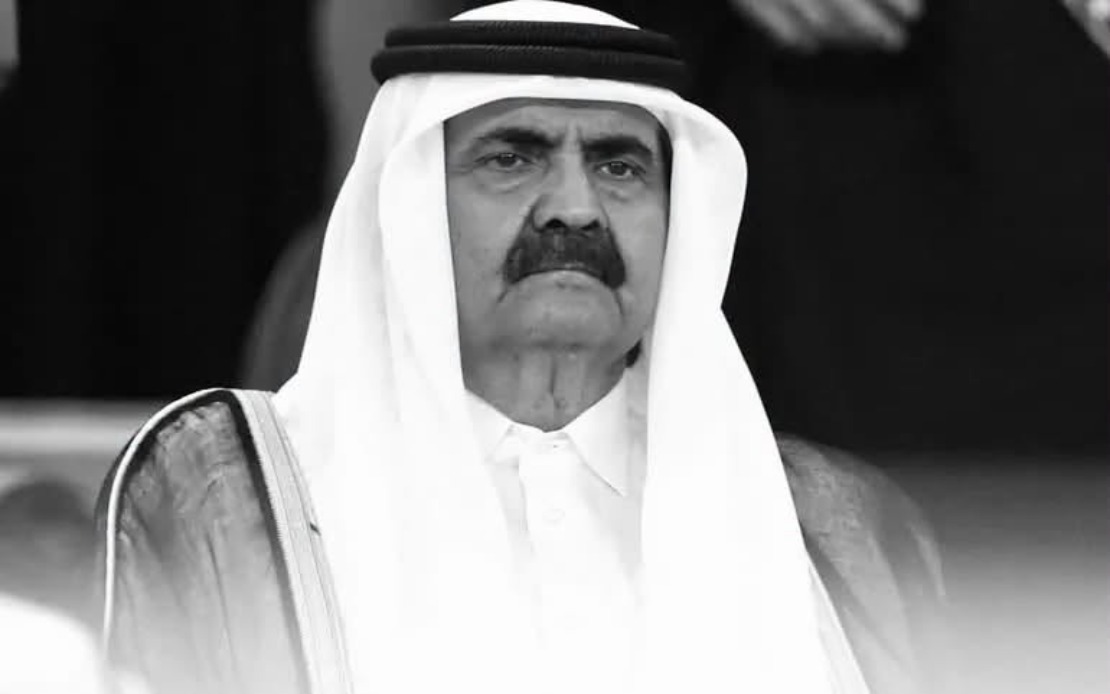
Prime Minister Datuk Seri Anwar Ibrahim has conveyed Malaysia's sympathies to the Qatari leadership and people following the death of Sheikh Hamad bin Khalifa Al Thani, the Father Amir who passed away on Sunday morning at the age of 74. The announcement came through Qatar's Amiri Diwan, marking the end of an era for the Gulf state and prompting expressions of grief from regional and international leaders. Anwar's public message, shared via Facebook, underscored the depth of Malaysia's relationship with Qatar and reflected the respect accorded to the late former ruler across the Muslim world.
Sheikh Hamad's reign from 1995 to 2013 represents a transformative period in Qatar's modern history, during which the nation underwent profound structural and economic changes. Under his leadership, Qatar transitioned from a relatively modest Gulf state into a global economic powerhouse, leveraging its vast natural gas reserves to build sovereign wealth and international influence. The former Amir's vision extended beyond commercial interests into cultural diplomacy, positioning Qatar as a bridge between East and West while maintaining strong ties within the Islamic world. Anwar specifically acknowledged these achievements, recognising how Qatar rose to prominence in both regional and international policy circles during this crucial developmental phase.
A defining moment in Sheikh Hamad's legacy came in 2013, when he made the unprecedented decision to voluntarily relinquish power to his son, Sheikh Tamim bin Hamad Al Thani. This act of succession was noteworthy in the Gulf context, where transfer of leadership within ruling families often follows complex patterns of succession. Anwar characterised this transition as a demonstration of statesmanship, highlighting that such a voluntary passing of authority to the next generation remains uncommon among regional monarchies. This gesture reflected Sheikh Hamad's confidence in his successor and his commitment to ensuring continuity and stability within the Qatari state during a critical juncture of its development.
The relationship between Malaysia and Qatar has been historically significant, underpinned by shared Islamic values and growing economic partnerships. Sheikh Hamad maintained warm diplomatic ties with successive Malaysian administrations, contributing to bilateral cooperation in trade, investment, and cultural exchange. Malaysian companies have benefited from opportunities in Qatar's construction boom and infrastructure development, while Qatari investments have enriched Malaysia's financial and real estate sectors. The former Amir's tenure coincided with periods of strengthening Malaysia-Gulf ties, making his passing a moment for reflection on the importance of maintaining these crucial regional relationships.
Sheikh Hamad's influence extended well beyond Qatar's borders, establishing him as a respected voice in Islamic affairs and geopolitical matters. His role in the Gulf Cooperation Council, mediation efforts in regional disputes, and contributions to international forums established Qatar as a serious player in global governance. The late Father Amir championed education initiatives, including the establishment of Education City in Doha, which attracted international institutions and became a symbol of Qatar's commitment to knowledge advancement. These legacies demonstrate how his leadership transcended domestic governance to leave enduring impressions on regional and international development trajectories.
The succession to Sheikh Tamim, who now leads Qatar as its current Amir, ensured a smooth transition of state authority and maintained the constitutional framework established during his father's reign. Sheikh Tamim has continued many of his father's strategic priorities while introducing his own initiatives, particularly visible in Qatar's hosting of the FIFA World Cup in 2022 and his continued emphasis on economic diversification beyond hydrocarbons. The stability maintained through this succession reflected the groundwork laid by Sheikh Hamad during his 18 years in office, demonstrating the effectiveness of his governance model and succession planning.
Anwar's condolences carry significance beyond mere diplomatic courtesy, reflecting Malaysia's genuine appreciation for Sheikh Hamad's contributions to regional stability and Islamic solidarity. The Prime Minister's invocation of Islamic prayers for the departed soul underscores the spiritual dimension of Malaysia's relationship with Qatar. At a time when regional relationships require careful cultivation, such expressions of sympathy reinforce bonds between nations and demonstrate Malaysia's commitment to maintaining strong ties with key Gulf players. The timing of Anwar's message, issued promptly through social media, reflected the immediacy and personal nature of diplomatic relations in the contemporary era.
Qatar's position in regional and global affairs has been shaped substantially by the foundations laid during Sheikh Hamad's tenure, making his passing historically significant for understanding the emirate's trajectory. The infrastructure development, institutional reforms, and diplomatic positioning undertaken during his reign continue to define Qatar's approach to governance and international engagement. For Malaysia, which shares Islamic heritage and seeks expanding partnerships across the Gulf, understanding Qatar's institutional continuity and leadership evolution remains strategically important. The Qatari state's resilience and adaptive capacity, qualities nurtured during Sheikh Hamad's rule, will determine how effectively it addresses contemporary challenges under Sheikh Tamim's leadership.
The death of Sheikh Hamad marks a passing of the generation that steered the Gulf Cooperation Council states through the post-Cold War era and into the twenty-first century. Across Southeast Asia, including Malaysia, this transition prompted reconsideration of historical relationships and future trajectories of engagement with Gulf states. Sheikh Hamad's legacy as a moderniser who maintained Islamic principles, as a sovereign leader who commanded respect internationally, and as a patriarch who ensured orderly succession, provides lessons for contemporary governance in both developed and developing contexts. His influence on Qatar's institutional development ensures that his imprint will continue shaping the emirate's decisions and strategic orientations for decades to come.
As the Qatari nation observes a period of mourning, the international community's expressions of condolence acknowledge not only a significant regional leader's departure but also the contributions he made to broader frameworks of Islamic cooperation and Gulf stability. Malaysia's formal recognition of these achievements through Anwar's statement exemplifies how nations memorialise leaders whose influence transcended borders. For Malaysian-Qatari relations specifically, this moment underscores the importance of continuity and commitment to partnerships that have delivered mutual benefits. The coming period will reveal whether Sheikh Tamim maintains the diplomatic and economic strategies established by his father, and how regional states like Malaysia will adapt their engagement with Qatar's leadership under its new generation of stewardship.

