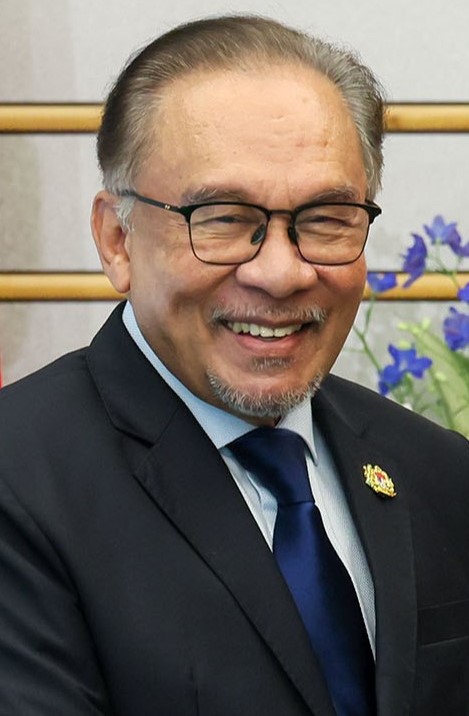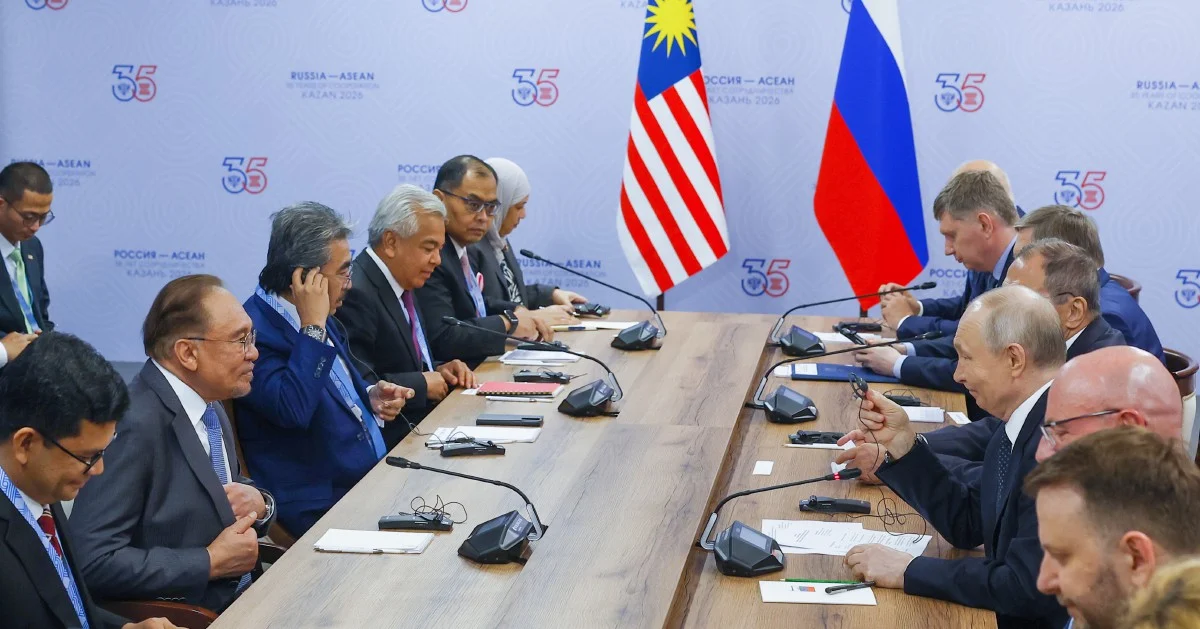
During an engagement in Kazan, Prime Minister Datuk Seri Anwar Ibrahim conveyed his appreciation to Russian President Vladimir Putin regarding Moscow's advocacy for bolstering the energy sector partnership between the two nations. The acknowledgment underscores Malaysia's intention to strengthen bilateral relations through expanded hydrocarbon ventures involving Petroliam Nasional Bhd, the country's premier integrated oil and gas corporation.
The gesture reflects a broader Malaysian diplomatic strategy aimed at diversifying energy partnerships beyond traditional allies in the Western sphere. As a nation heavily dependent on petroleum revenues and possessing substantial hydrocarbon reserves, Malaysia views strategic collaboration with major energy-producing countries as essential to its long-term economic stability and industrial development objectives. Putin's backing for enhanced cooperation signals a willingness from the Russian administration to deepen commercial and diplomatic engagement within the Asia-Pacific region.
Petronas, operating as Malaysia's flagship energy company, has historically pursued international ventures to maximise shareholder returns and sustain the nation's economic contributions. The Russian energy sector represents considerable potential for Malaysian interests, particularly given Russia's advanced technological capabilities, extensive resource base, and strategic position within global energy markets. Such partnerships can facilitate knowledge transfer, technological advancement, and access to new exploration and development opportunities for Malaysian entities.
The timing of Anwar's appreciation gesture carries significance within the broader context of Malaysia's foreign policy realignment. The nation has consistently emphasised its commitment to maintaining balanced relationships across major powers whilst pursuing pragmatic economic arrangements. Energy cooperation represents one of the most tangible avenues through which Malaysian and Russian interests can converge, offering mutual benefits that transcend typical geopolitical considerations and create enduring commercial foundations.
For Malaysia, expanding energy partnerships with Russia presents multiple strategic advantages. First, diversification of energy sources and investment partners helps mitigate vulnerability to supply disruptions or price fluctuations inherent in global commodity markets. Second, collaborative ventures often facilitate technology transfer, enabling Malaysian companies to enhance their operational capabilities and competitive positioning within regional and global energy landscapes. Third, such partnerships generate direct employment opportunities and stimulate broader economic activity across related industries including refining, petrochemicals, and downstream services.
From Russia's perspective, engagement with Southeast Asian energy companies like Petronas provides access to dynamic regional markets, enhanced investment opportunities, and strengthened diplomatic influence within one of the world's most economically vibrant areas. Malaysia's strategic geographic position along vital maritime trade routes and its role within regional frameworks amplifies the value of bilateral energy cooperation, extending beyond mere commercial transactions into broader geopolitical considerations.
Anwar's acknowledgment also demonstrates Malaysia's pragmatic approach to international relations, prioritising economic advancement and mutual benefit over ideological considerations. This stance reflects the growing sophistication of Malaysian foreign policy, which recognises that energy security and resource development transcend traditional Cold War divisions. Nations increasingly recognise that collaborative approaches to energy challenges—whether through joint exploration ventures, technology partnerships, or infrastructure development—yield superior outcomes compared to adversarial or isolationist strategies.
The strengthening of energy ties between Malaysia and Russia carries implications for the broader Southeast Asian region. As Malaysia pursues expanded partnerships, other regional nations may follow suit, potentially reshaping traditional energy alignments and creating new competitive dynamics within regional markets. Enhanced Russian engagement in Southeast Asia could introduce alternative perspectives and capabilities that enrich the region's energy development landscape whilst potentially reducing dependency on any single external power.
Petronas specifically benefits from expanded international partnerships that enhance its capacity for large-scale project implementation, access to new resource bases, and exposure to advanced technologies. The corporation's involvement in major energy ventures alongside Russian counterparts strengthens Malaysia's position as a credible and capable energy player within global markets, elevating the nation's profile amongst international energy investors and policymakers. Such collaborations often necessitate substantial capital investments, infrastructure development, and sustained commitment, thereby generating long-term economic multiplier effects across Malaysian society.
Moving forward, the trajectory of Malaysia-Russia energy cooperation will likely depend on multiple factors including commodity price dynamics, geopolitical developments, regulatory environments in both nations, and the specific technical and commercial viability of proposed projects. Anwar's public expression of gratitude signals governmental commitment to advancing these partnerships through diplomatic channels whilst enabling commercial entities like Petronas to negotiate mutually beneficial arrangements. This two-pronged approach—combining high-level diplomatic support with commercial flexibility—characterises successful international energy engagements in contemporary global markets.