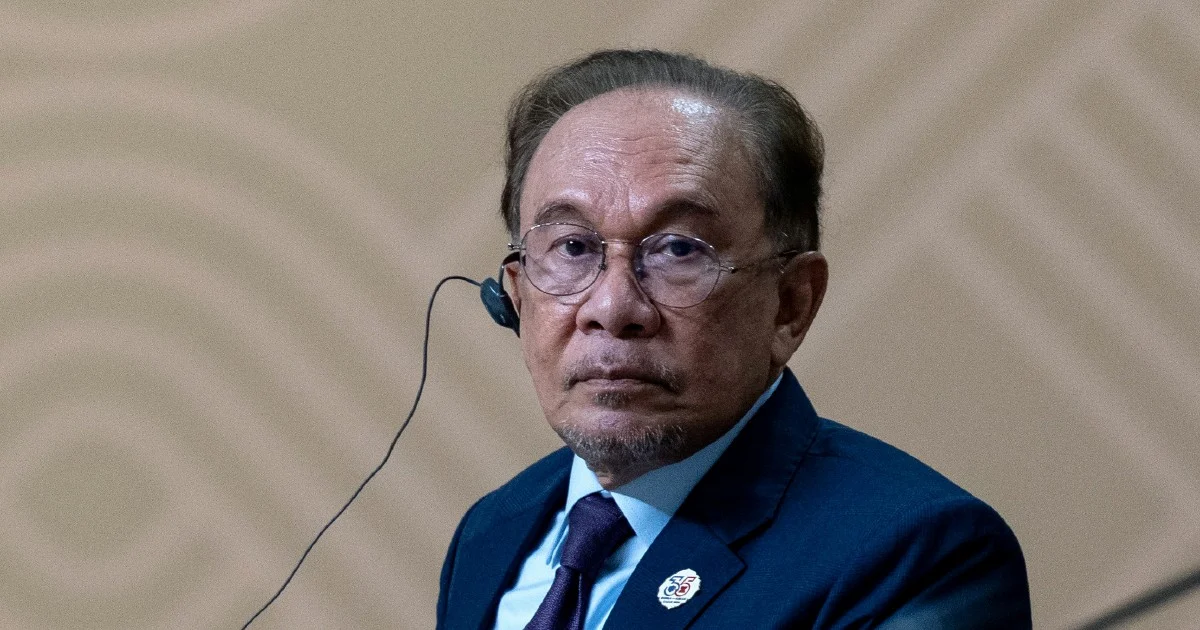
Malaysia's High Court has ruled in favour of Prime Minister Datuk Seri Anwar Ibrahim's bid to overturn an order compelling him to serve as a witness in a RM30 million civil dispute. The decision marks a significant development in what has become a protracted legal matter with implications for the country's judicial process and the extent to which sitting heads of government must comply with routine court procedures.
The case originated when a subpoena was issued requiring Anwar to appear and provide testimony in the civil lawsuit. However, the Prime Minister's legal team moved to have the subpoena set aside, arguing that the demand created an undue burden on his official responsibilities. The High Court has now accepted this position, allowing Anwar to be released from his obligation to attend court and give evidence.
This ruling reflects a broader principle within Malaysian law governing witness summonses for high-ranking public officials. Courts have historically recognised that sitting prime ministers face exceptional scheduling constraints due to their constitutional duties and international obligations. The decision does not suggest impropriety on Anwar's part but rather acknowledges the practical difficulties of compelling a head of government to interrupt executive functions for routine litigation matters.
The RM30 million suit itself involves businessman Vinod Sekhar, though the specific details regarding the dispute's origins and the substantive claims at issue remain largely contained within court documents. Civil litigation of this magnitude is not uncommon in Malaysia's business sector, where contractual disagreements and property-related matters frequently escalate to substantial damages claims. The involvement of a prominent political figure as a potential witness, however, elevates the case's public profile and raises questions about how Malaysian courts balance competing interests.
Anwar's exemption from testifying does not necessarily impair the plaintiff's case. In many civil proceedings, witnesses can provide written statements or testimony through video link, allowing courts to gather necessary evidence without requiring physical courtroom attendance. The judge may also have determined that other witnesses could adequately address the disputed issues without Anwar's personal testimony, or that his evidence was peripheral rather than central to resolving the core dispute.
The timing of this ruling carries significance for Malaysia's political landscape. As Prime Minister navigating coalition government complexities and implementing economic reforms, Anwar has faced various legal challenges since his appointment in late 2022. Each judicial decision affecting his position receives close scrutiny from political observers and the international community, given the sensitivity surrounding judicial independence in Malaysia and questions about whether the courts treat political leaders fairly or with undue deference.
This case also illuminates tensions within Malaysia's legal framework between ensuring justice through witness testimony and respecting the functional requirements of high office. Other democracies have grappled with similar questions, establishing various precedents regarding when sitting officials can claim immunity from court appearances. While some jurisdictions maintain that no one—regardless of rank—is above appearing for justice, others recognise graduated standards depending on the official's position and the centrality of their evidence to the proceedings.
For Malaysian legal professionals and observers, the ruling demonstrates how courts navigate politically sensitive matters while ostensibly remaining impartial arbiters. The decision may influence future cases involving government officials at various levels, potentially establishing a framework for evaluating when administrative necessity overrides the general principle that all citizens should participate in court proceedings when summoned.
Vinod Sekhar's position in the dispute remains consequential, as the case's resolution will determine whether he obtains the RM30 million in damages he is pursuing. The businessman's legal team must now adjust its strategy, potentially relying more heavily on documentary evidence, expert testimony, and statements from other witnesses to substantiate the claims underlying the lawsuit. This adjustment may strengthen or weaken the overall factual foundation for the claim, depending on how central Anwar's testimony would have been.
The High Court's decision also reflects a pragmatic acknowledgment of Malaysia's governance realities. A Prime Minister consumed with legislative programmes, international negotiations, and cabinet management cannot routinely attend civil court proceedings without significant disruption to the machinery of government. Yet this pragmatism must be carefully balanced against democratic principles that hold even the most powerful accountable before the law—a tension that courts globally continue to navigate.
Looking forward, the case may continue through trial using alternative evidence-gathering methods, or parties might pursue settlement negotiations given the reduced possibility of obtaining testimony from the head of government. Either outcome will provide insights into how Malaysia's civil justice system adapts to the presence of high-ranking political figures as potential witnesses and how courts manage the intersection of executive privilege and judicial fairness in an increasingly complex legal environment.

