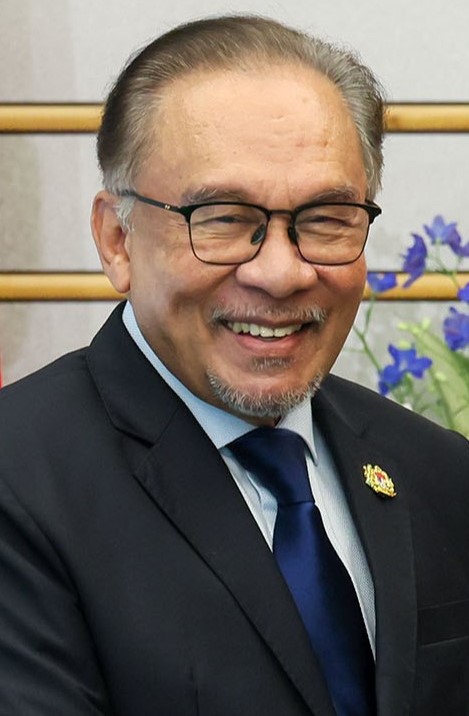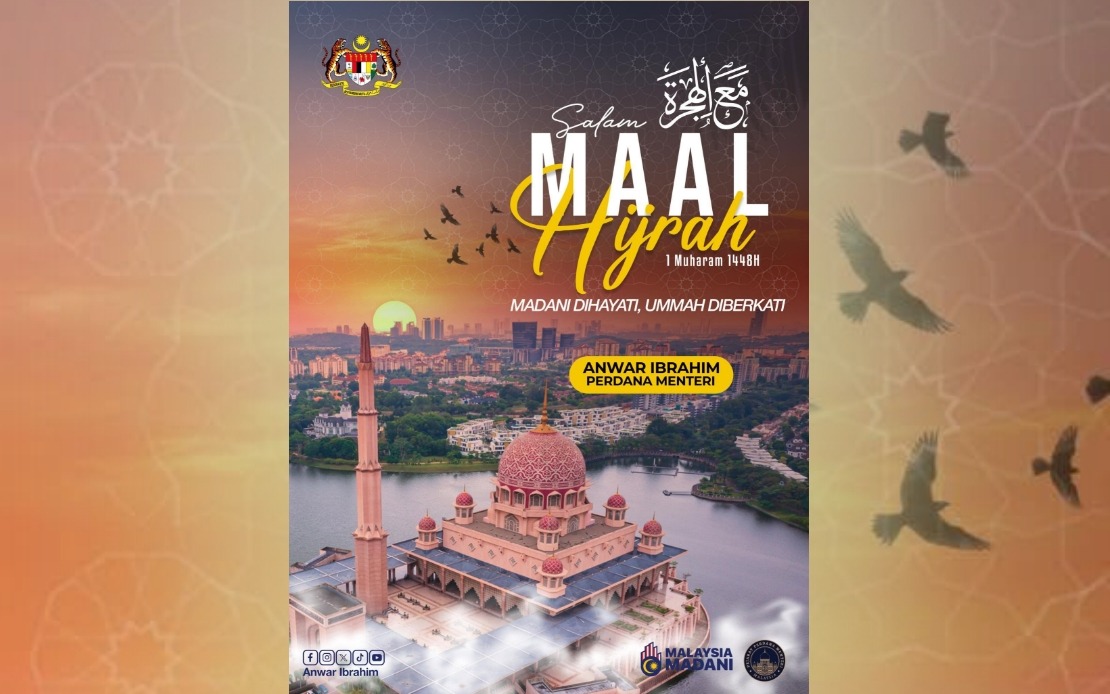
Prime Minister Datuk Seri Anwar Ibrahim has positioned the Islamic principle of Hijrah as a guiding framework for Malaysia's ongoing reform agenda, arguing that lasting transformation cannot materialise through political rhetoric or isolated initiatives alone. Speaking on the occasion of Maal Hijrah 1448H, Anwar outlined a vision where the spiritual and historical lessons embedded in the Prophet Muhammad's migration to Madinah serve as a template for contemporary governance and social change.
The Prophet's journey to establish Madinah as a functioning Islamic state, according to Anwar's interpretation, offers critical insights into how societies achieve meaningful progress. Rather than presenting Hijrah as merely a religious commemoration, the Prime Minister framed it as a practical demonstration of institutional development rooted in collective endeavour. He highlighted how the original Hijrah succeeded not through the efforts of a single leader but through a network of coordinated contributions from diverse groups within the community, each playing essential roles in the migration and subsequent state-building process.
Anwar drew specific attention to the contributions of younger members of society in the original Hijrah narrative. The example of Saidina Ali Abi Talib, a youth who played a pivotal role during the migration, underscores Anwar's broader message about intergenerational cooperation in reform efforts. By invoking this historical precedent, the Prime Minister appears to be signalling that Malaysia's reform trajectory requires active engagement from younger citizens who can bring dynamism and commitment to institutional change. This messaging carries particular resonance given ongoing discussions about youth participation in Malaysian governance and economic transformation.
Equally significant is Anwar's explicit recognition of women's contributions to the Hijrah narrative. The mention of Asma Abu Bakar, who provided material support during the migration, serves to validate women's roles as essential architects of societal transformation rather than passive beneficiaries of reform. This framing aligns with broader development discourse emphasising gender inclusion as fundamental to national progress, suggesting that Malaysia's reform agenda must create substantive spaces for women's agency and decision-making at multiple institutional levels.
The Prime Minister articulated a clear critique of approaches to reform that rely primarily on symbolic action or rhetorical appeals. He argued that slogans and individual leadership efforts, while potentially motivating, cannot substitute for the grinding work of building durable institutional change through patient, collective action. This reflects a sophisticated understanding that sustainable reforms require buy-in across diverse constituencies, including those with competing interests, and that achieving this consensus demands time, deliberation, and genuine commitment to shared objectives.
Central to Anwar's framework is the concept of consensus-building across Malaysia's religiously and ethnically diverse population. He explicitly acknowledged the complexity of translating Hijrah principles into practical policy within a multicultural context, recognising that unity cannot be imposed through fiat but must emerge from genuine dialogue and mutual recognition of shared interests. This nuance distinguishes his approach from more exclusionary visions of nation-building and suggests an effort to present Islamic principles as compatible with pluralistic governance structures.
The Department of Islamic Development Malaysia (Jakim) reinforced this messaging by designating "MADANI Dihayati, Ummah Diberkati" (MADANI Embraced, The Ummah Blessed) as the national theme for the Maal Hijrah celebration. The invocation of "MADANI," Malaysia's development framework, explicitly links religious commemoration to the government's broader economic and social agenda. This thematic choice signals an intention to position Islam not as separate from or opposed to Malaysia's development trajectory but as an integral source of values and institutional principles animating that trajectory.
For Malaysian observers, Anwar's emphasis on unity and consensus carries implications extending beyond ceremonial celebration. The government faces substantial challenges in implementing transformative policies across contentious domains including fiscal reform, healthcare delivery, education modernisation, and governance transparency. Each of these areas involves competing stakeholder interests and ideological positions. By framing reform through the lens of collective Hijrah, Anwar appears to be building intellectual and moral authority for demanding patience and compromise from constituencies who might otherwise demand faster or more unilateral action.
The broader regional context also matters. Southeast Asian nations including Indonesia, Thailand, and the Philippines are simultaneously grappling with questions about how to integrate religious principles with democratic governance and economic modernisation. Malaysia's articulation of a model emphasising religious grounding combined with pluralistic consensus-building could carry influence in regional policy conversations, particularly as countries navigate tensions between majority religious sentiment and minority protections.
Anwar's reference to Quranic verse 100 of Surah An-Nisa, which addresses rewards for those who migrate in Allah's path, adds theological weight to his reform framing. By connecting contemporary policy initiatives to Quranic principles about sacrifice and struggle, he elevates the moral stakes of reform implementation and potentially appeals to constituencies motivated by religious obligation rather than purely pragmatic considerations.
The invocation of brotherhood and sacrifice as central to Hijrah principles also suggests Anwar's desire to move reform discourse beyond technocratic or technocratic language toward ethical and spiritual registers. In Malaysian political contexts where values-based appeals frequently shape public persuasion, this rhetorical choice may prove more resonant than conventional development metrics or policy specifications. The emotional and moral dimensions of reform narratives often influence whether constituencies actively support implementation efforts or merely acquiesce.
For Malaysia's fractious political environment, Anwar's emphasis on unity through consensus rather than majoritarian imposition potentially offers a pathway to building broader coalitions for ambitious reforms. However, translating this vision into concrete institutional changes requires not only rhetorical clarity but demonstrated willingness to accommodate diverse perspectives within actual policy formulation and implementation processes. The coming months will reveal whether this framework can move beyond inspirational messaging to generate the institutional practices necessary for meaningful national transformation.