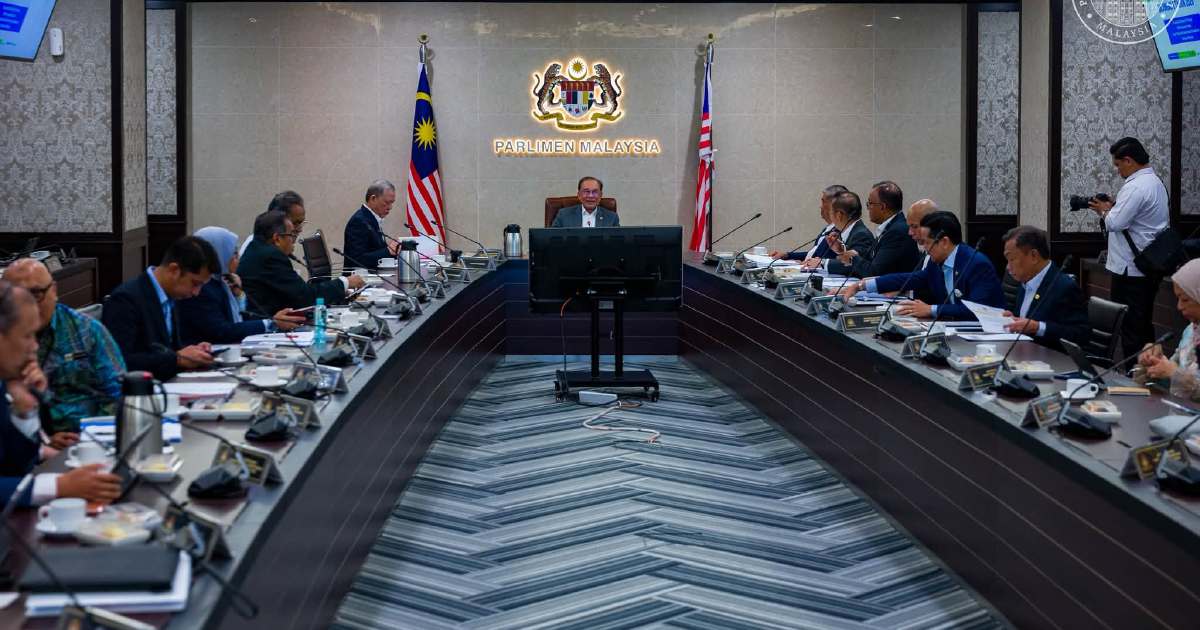
Prime Minister Datuk Seri Anwar Ibrahim has issued urgent directives to the Ministry of Agriculture and Food Security to formulate comprehensive mitigation strategies ahead of the anticipated Super El Niño phenomenon, which meteorological forecasts predict will strike Malaysia starting in November. The instruction underscores growing concern within government circles about the potential cascading effects on domestic agricultural production and the broader regional food supply chain during a period of global economic uncertainty.
Super El Niño events represent an intensified version of the naturally occurring climate oscillation characterised by abnormally warm ocean temperatures across the equatorial Pacific. Unlike typical El Niño cycles, Super El Niño episodes generate more severe weather disruptions, including prolonged droughts in some regions and excessive rainfall in others. For an agrarian-dependent nation like Malaysia, such climatic volatility poses existential risks to crop yields, livestock production, and rural livelihoods, particularly in vulnerable farming communities across peninsular Malaysia, Sabah, and Sarawak.
The November timeline mentioned in the Prime Minister's directive aligns with the transition period between Northeast Monsoon and inter-monsoon conditions, when Malaysia's agricultural regions face heightened exposure to erratic weather patterns. Historical records demonstrate that Super El Niño events have historically compressed growing seasons, reduced soil moisture retention, and triggered pest outbreaks that devastate staple crops including rice, vegetables, and fruits. The timing of this alert provides crucial preparation windows for both the agricultural sector and emergency response authorities.
Malaysia's food security architecture remains partially vulnerable to external climate shocks. While the country produces substantial quantities of rice, its domestic output covers approximately 70 percent of national consumption, necessitating significant imports from regional suppliers including Thailand and Vietnam. A Super El Niño event affecting these upstream suppliers simultaneously would amplify import pressures and potentially inflate food prices domestically, creating inflationary headwinds that disproportionately impact lower-income households already contending with cost-of-living pressures.
The Ministry of Agriculture and Food Security must develop multifaceted response protocols addressing immediate production challenges and longer-term supply chain resilience. Critical interventions should encompass accelerated irrigation infrastructure deployment in drought-vulnerable areas, promotion of climate-adaptive crop varieties suited to water scarcity conditions, and preemptive stockpiling of essential agricultural inputs including fertilisers and seeds. Additionally, strategic food reserves require examination to ensure adequate buffers for critical staples throughout the projected phenomenon duration.
Regional cooperation mechanisms deserve heightened activation during this period. Coordination with fellow ASEAN nations experiencing similar climatic threats could facilitate information-sharing regarding crop monitoring systems, pest management protocols, and emergency trading arrangements. Such collaborative frameworks have proven effective during previous climate crises, enabling member states to stabilise regional prices and prevent acute supply shortages that trigger social instability.
The poultry and livestock sectors warrant equivalent preparatory attention. Extended dry conditions stress animal husbandry operations through reduced forage availability and increased water scarcity. Farmers require advance guidance on fodder conservation techniques, supplementary feeding strategies, and veterinary disease prevention measures that become critical when stressed animal populations become susceptible to infections. Early warning systems identifying disease outbreak risks allow proactive veterinary interventions before losses cascade.
Communication strategies reaching smallholder farmers constitute an often-overlooked but essential component of climate adaptation planning. Many farmers, particularly in rural areas, lack timely access to meteorological forecasts or technical guidance on adaptive practices. Government extension services and agricultural associations should intensify outreach programmes disseminating practical recommendations on planting schedules, crop selection, water conservation techniques, and alternative income opportunities during production-constrained periods.
International precedent offers instructive lessons on Super El Niño preparedness. The 2015-2016 Super El Niño significantly impacted Southeast Asian agriculture, triggering crop failures across Indonesia, Philippines, and parts of Thailand. Nations that implemented rapid response protocols minimising production losses while maintaining price stability emerged with substantially better socioeconomic outcomes than those caught unprepared. Malaysia's early positioning of mitigation frameworks reflects lessons learned from this episode.
The economic implications extend beyond agricultural sectors into downstream industries. Food processing facilities, retail operations, and restaurant businesses all depend on stable commodity availability and pricing. Supply disruptions ripple through employment chains, particularly affecting workers in agriculture-dependent regions. Proactive government intervention preventing acute shortages therefore generates multiplier benefits protecting employment and economic activity beyond farming communities.
The Prime Minister's directive signals institutional recognition that climate resilience constitutes a critical governance priority competing alongside traditional macroeconomic concerns. Sustained investment in climate-adaptation agriculture, rather than merely reactive crisis management, positions Malaysia to navigate future climate volatility with reduced vulnerability. This forward-looking approach requires sustained budgetary commitment and cross-ministerial coordination extending beyond agriculture into water resources, disaster management, and economic planning portfolios.
As preparations advance, transparency regarding climate forecasts and government response measures builds public confidence and enables private sector adaptation planning. Agricultural businesses require clear policy signals regarding import possibilities, subsidy mechanisms, and price stabilisation measures enabling informed investment decisions. Clear communication reduces market panic while facilitating coordinated supply chain responses.
Ultimately, the success of mitigation efforts will depend on implementation rigour, resource adequacy, and sustained coordination across government agencies, farmer organisations, and private sector participants. The months preceding November's anticipated impact provide critical windows for systemic strengthening and operational preparation that could substantially determine Malaysia's resilience to this significant climate challenge.

