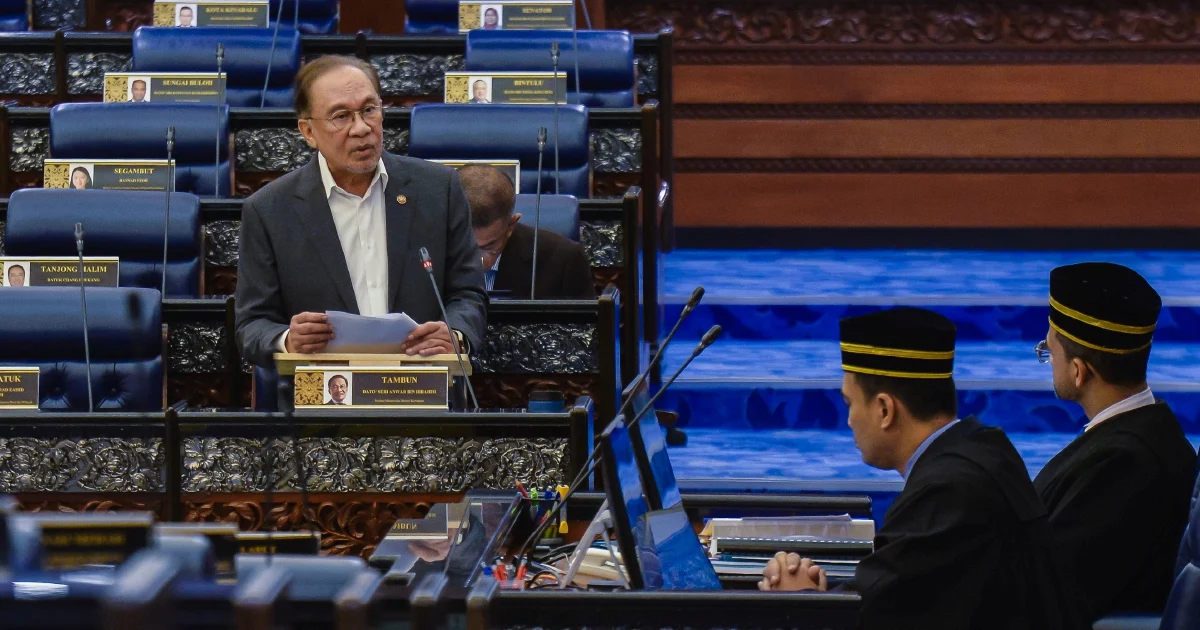
Prime Minister Datuk Seri Anwar Ibrahim has firmly refuted suggestions that he personally ordered the scrapping of the 2026 Johor Felda Settlers' Day celebration, which was slated to take place in Kluang, Johor, earlier this month. The categorical denial comes amidst mounting controversy surrounding the unexpected cancellation of the event, which carries significant cultural and political importance for the region's agricultural communities.
The row over the Felda Settlers' Day event highlights underlying tensions within Malaysia's political apparatus regarding decision-making authority and public accountability. The Johor gathering, traditionally an occasion for recognising the contributions of Federal Land Development Authority settlers, had been planned with considerable advance preparation before its abrupt cancellation emerged into public view. The timing and manner of the cancellation sparked speculation about the involvement of senior government officials, with questions immediately directed toward the Prime Minister's office.
Felda has played a pivotal role in Malaysia's rural development and agricultural modernisation for decades, with the Johor settlement scheme representing one of the federation's largest smallholder communities. Settlers within the scheme depend substantially on public recognition and government support, making annual celebrations crucial for maintaining morale and demonstrating commitment to their welfare. The 2026 event would have commemorated their enduring contributions to the nation's food security and economic development, particularly within the context of broader agricultural reform initiatives.
Kluang, the designated host venue, holds historical significance as a hub of Felda activity within Johor. The cancellation therefore carries implications beyond mere ceremonial inconvenience, signalling potential shifts in resource allocation or political priorities within the state. For residents and communities centred around Felda settlements across the region, such developments generate concerns about the government's ongoing commitment to agricultural sector support and rural livelihood protection.
The Prime Minister's explicit denial of direct involvement suggests that responsibility for the cancellation may rest with subordinate agencies or state-level authorities, though this remains a matter of ongoing clarification. Political observers note that such distancing rhetoric frequently precedes official investigations into administrative processes and internal communications that may have culminated in controversial decisions. The distinction between issuing a formal directive and permitting or acquiescing to cancellation by others remains a significant nuance in this developing situation.
Government spokespeople have not yet provided comprehensive explanation for why the celebration faced cancellation, leaving significant information gaps regarding the actual rationale behind the move. Potential causes might range from logistical constraints and budgetary considerations to scheduling conflicts with other state or federal initiatives. The absence of transparent communication has allowed speculation to flourish, complicating the government's ability to manage public perception around the decision.
The incident reflects broader challenges facing Malaysia's federal administrative system, where coordination between central and state governments, coupled with multiple layers of bureaucratic authority, sometimes generates inconsistent outcomes. Johor's status as a significant economic and agricultural centre amplifies the visibility of such administrative missteps, particularly when decisions affect established constituency relationships and traditional communities. The timing and context of the cancellation announcement would thus merit scrutiny from perspective of best governance practices.
For the Felda settler community specifically, the cancelled celebration represents lost opportunity for public recognition at a moment when agricultural communities face pressures from climate variability, market volatility, and land sustainability concerns. Annual commemorations serve psychological and morale-building functions beyond their ceremonial aspects, reinforcing the social contract between government and rural populations who have historically anchored national food production and stability.
Moving forward, restoring the event or providing credible alternative arrangements for recognition would likely help rebuild confidence within affected communities. The Prime Minister's denial, while addressing questions of personal responsibility, does not fully resolve the underlying issue of why the celebration was cancelled or what this portends for future support mechanisms for Felda populations. Clarification from relevant authorities regarding decision-making processes and future scheduling intentions appears essential for closing this episode constructively.
The broader political implications of this episode extend to questions about transparency in government decision-making and the importance of maintaining open communication channels with key constituencies. For Malaysia's agricultural sector more broadly, developments affecting Felda settlers tend to resonate across rural communities and farming associations nationwide, making the handling of this situation particularly visible and consequential for government credibility on rural development matters.

