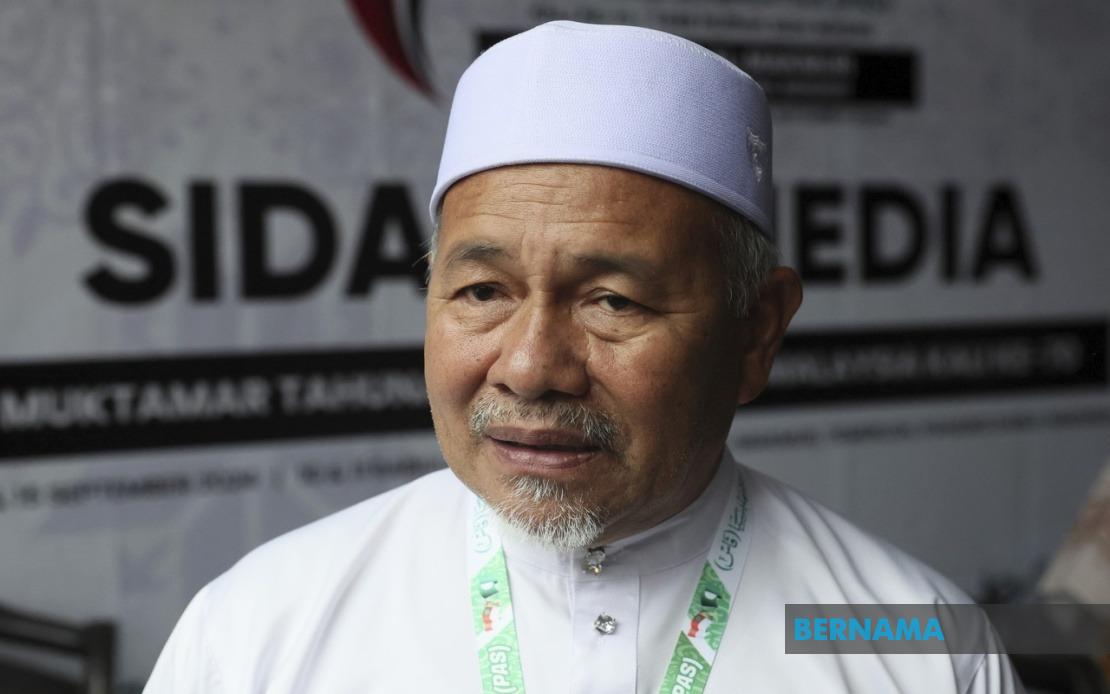
Prime Minister Datuk Seri Anwar Ibrahim has escalated a political dispute with the Islamic Party of Malaysia (PAS) by issuing a formal letter of demand against deputy president Datuk Seri Tuan Ibrahim Tuan Man. The legal action, communicated through Anwar's counsel Datuk SN Nair, stems from remarks that Anwar's legal team characterises as defamatory and damaging to his reputation. The move marks a notable shift from parliamentary debate to formal legal proceedings, underscoring the intensifying friction within Malaysia's political establishment despite the broader unity government framework.
The disputed statements originated on June 14, when Tuan Ibrahim made remarks outside the walls of Parliament. Rather than fading away as typical political commentary, the statements gained traction and were widely redistributed across various social media platforms, amplifying their reach and potential impact. This digital amplification appears to have been the catalyst prompting Anwar's legal team to take formal action, recognising that the allegations had transcended casual political disagreement to constitute what they view as actionable defamation. The online republication transformed what might have otherwise remained limited parliamentary criticism into a more serious reputational challenge.
Through his lawyer's statement, Anwar's legal position lays out specific demands that extend beyond a simple retraction. Tuan Ibrahim is required to withdraw the statements immediately and issue an unconditional public apology—a formulation that notably excludes any qualified or partial acknowledgment. The demands further encompass a written commitment not to repeat or revisit the allegations in future, suggesting the legal team views this as part of a pattern of behaviour rather than an isolated incident. Additionally, the letter seeks financial compensation and recovery of legal costs incurred in mounting this challenge, transforming the dispute from one of honour into one with tangible economic consequences for the respondent.
The 48-hour response window creates significant pressure on Tuan Ibrahim and reflects the urgency with which Anwar's team views the matter. This compressed timeframe—far shorter than typical legal negotiations—signals an intent to move swiftly toward formal court proceedings if compliance is not achieved. By establishing such a tight deadline, Anwar's lawyers are essentially communicating that this is not a negotiating position but rather an ultimatum with predetermined consequences. The threat to commence legal action without further notice removes any ambiguity about the government's willingness to pursue this matter through the judiciary.
This legal confrontation carries broader implications for Malaysia's political landscape. PAS and its deputies have become increasingly vocal critics of the government's direction, and this dispute may reflect deeper ideological and policy disagreements between the Islamic party and the ruling coalition. The decision to pursue legal remedies rather than rely on parliamentary responses or media rebuttals suggests Anwar's team views the reputational harm as sufficiently serious to warrant expensive and high-profile litigation. Such proceedings would inevitably attract substantial media attention and could further polarise public discourse around the government's performance and legitimacy.
For Malaysian observers, the incident highlights the complex intersection between parliamentary privilege, social media dynamics, and defamation law. Statements made within Parliament traditionally enjoy qualified immunity, but remarks made outside those chambers do not carry the same protections. The subsequent republication on social platforms removes any remaining ambiguity about whether the comments fall within protected speech. This technical distinction has become increasingly important as Malaysian politicians navigate an era where off-the-cuff remarks can instantly reach millions through digital channels, creating liability exposure that previous generations of lawmakers never faced.
The role of Anwar's legal team, particularly Datuk SN Nair, becomes significant in this context. Senior counsel involvement at this stage suggests the government views the matter as serious enough to warrant expertise that extends beyond routine legal affairs. The public issuance of a statement detailing the legal position also serves a communications function, allowing the government to frame its response to the allegations while simultaneously pressuring Tuan Ibrahim to comply. This dual purpose—legal action and public messaging—is typical of high-stakes political disputes that blur the boundary between law and politics.
Within the context of Malaysia's unity government arrangement, this dispute between coalition members presents an awkward situation. PAS has been integrated into the government structure, yet its leaders continue to make statements that the Prime Minister characterises as defamatory. This tension suggests that unity arrangements may have papered over genuine substantive disagreements rather than resolving them. The legal action could either serve as a pressure valve forcing a resolution, or it could deepen fractures within the coalition if Tuan Ibrahim chooses to contest the claim vigorously in court.
Regionally, Malaysia's handling of political disputes through the legal system commands attention from other Southeast Asian democracies grappling with similar challenges around misinformation, social media amplification, and political accountability. How Malaysian courts adjudicate this matter could set precedents affecting political speech and the use of defamation law as a political tool. International observers will watch whether the case demonstrates a functioning independent judiciary capable of fairly evaluating claims regardless of the parties' political prominence, or whether it illustrates the vulnerability of legal systems to capture by powerful state actors.
Looking ahead, the outcome of Tuan Ibrahim's response within the 48-hour window will determine whether this dispute escalates to formal court proceedings or reaches some negotiated settlement. Either pathway carries significant consequences for Malaysian politics. A court case would consume substantial political capital and media attention during a period when the government faces multiple economic and social challenges. Conversely, any settlement might be perceived as insufficient vindication if critics view the resolution as weak or overly generous. The Prime Minister's decision to pursue this matter publicly through his lawyer's statement suggests he is committed to seeing it through to conclusion, raising the stakes considerably for all parties involved.

