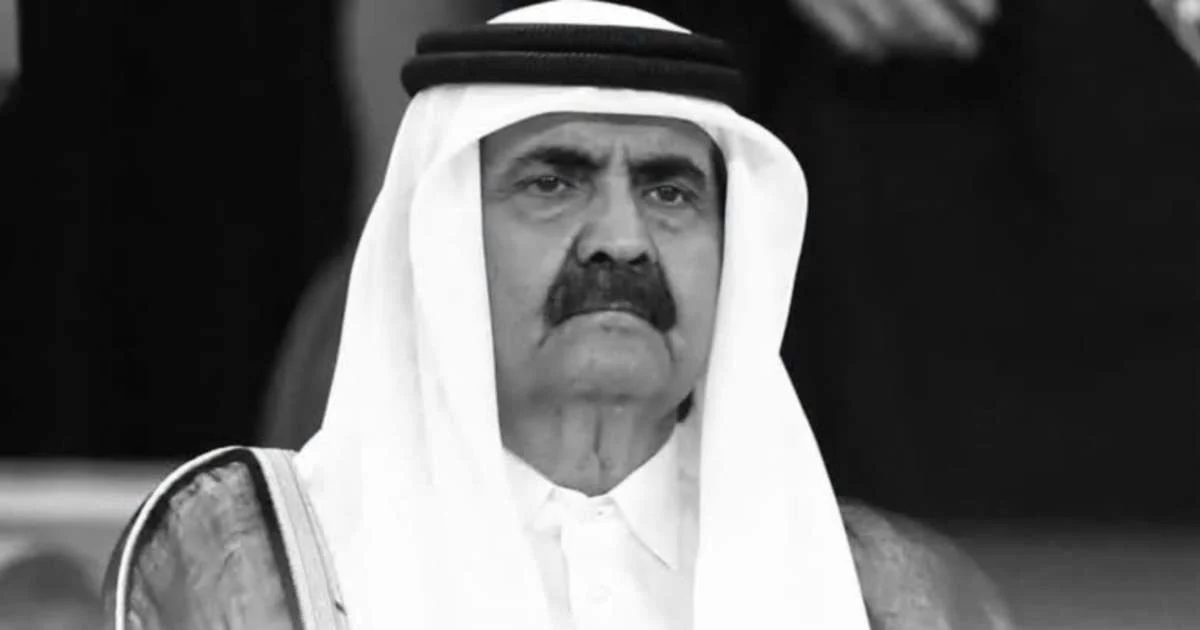
Malaysia's Prime Minister Datuk Seri Anwar Ibrahim has formally extended the nation's sympathies to the government and people of Qatar following the death of the Gulf state's former ruler, Sheikh Hamad bin Khalifa Al Thani. The elder statesman, who was 74 years old, played a defining role in modernizing Qatar during his three decades of leadership and establishing the peninsula nation as a major regional and global player.
Sheikh Hamad bin Khalifa Al Thani's passing marks the end of an era for Qatar's political landscape. His transformation of the emirate from a minor regional state into a significant economic and diplomatic force fundamentally reshaped the Gulf Cooperation Council dynamics. During his tenure, he oversaw the country's vast natural gas reserves development, which became the foundation of Qatar's contemporary wealth and influence.
The Malaysian Prime Minister's condolence message underscores the diplomatic ties that bind Kuala Lumpur and Doha. Despite their geographical distance and different political systems, Malaysia and Qatar have maintained warm bilateral relations, with shared interests in economic cooperation, religious dialogue, and regional stability. The gesture reflects the protocol of international relations where major nations acknowledge the passing of significant world figures.
Sheikh Hamad bin Khalifa Al Thani's legacy extends far beyond Qatar's borders. He pioneered the establishment of the Al Jazeera network in 1996, which revolutionized Arab media landscape by challenging traditional information monopolies. This media venture gave voice to perspectives often marginalized in mainstream outlets and positioned Qatar as a cultural influencer in the Islamic world and beyond.
During his leadership from 1995 to 2013, Sheikh Hamad implemented constitutional reforms that introduced consultative governance structures and expanded public participation in state affairs, albeit within the framework of a constitutional monarchy. These institutional changes, though gradual, positioned Qatar as relatively progressive compared to some regional counterparts. His tenure witnessed infrastructure development that attracted international attention, including investments in education, healthcare, and sporting facilities.
The late emir's foreign policy initiatives brought Qatar into closer alignment with Western powers while maintaining Islamic credentials—a delicate balancing act that few regional leaders managed successfully. His willingness to engage with diverse international actors, from the United States to Iran, established Qatar as a neutral diplomatic broker in various regional conflicts and negotiations.
For Malaysia, the passing of Sheikh Hamad bin Khalifa Al Thani carries significance beyond ceremonial acknowledgment. The two nations have collaborated on matters ranging from Islamic finance development to educational partnerships. Malaysian students have benefited from educational opportunities in Qatar, while Qatari investment in Malaysian infrastructure projects has contributed to economic development in sectors including hospitality and real estate.
The condolence extended by Datuk Seri Anwar Ibrahim serves as formal recognition of Sheikh Hamad bin Khalifa Al Thani's contributions to global affairs and his standing as a consequential 20th-century Arab leader. His modernization vision transformed Qatar from a trading post and pearling economy into a diversified, forward-looking nation with sovereign wealth investments spanning the globe. Malaysian officials recognize that such transformative leadership, regardless of governance model, warrants respectful acknowledgment.
Qatar's succession arrangements ensure continuity in governance during this transition period. The younger generation of Qatar's ruling family has been groomed through decades of administrative participation, and the mechanisms of state succession remain firmly established. This institutional stability reflects the strengthening of governance structures that Sheikh Hamad bin Khalifa Al Thani himself implemented during his leadership tenure.
For Southeast Asian nations like Malaysia, the transition in Qatar's leadership presents opportunities for strengthening bilateral relations with the new administration. Malaysian diplomatic missions have historically maintained productive engagements with both Qatar's government and its growing business sector. The relationship between Kuala Lumpur and Doha will likely continue developing, as both nations share strategic interests in energy security, Islamic finance innovation, and regional peace initiatives.
Sheikh Hamad bin Khalifa Al Thani's death signals a generational shift in Gulf leadership. As younger leaders take the helm across the region, Malaysia and other Southeast Asian nations will recalibrate their engagement strategies while building on decades of established diplomatic foundations. The condolence message from Datuk Seri Anwar Ibrahim represents Malaysia's continued commitment to maintaining respectful, mutually beneficial relations with Qatar as the nation navigates this significant leadership transition.

