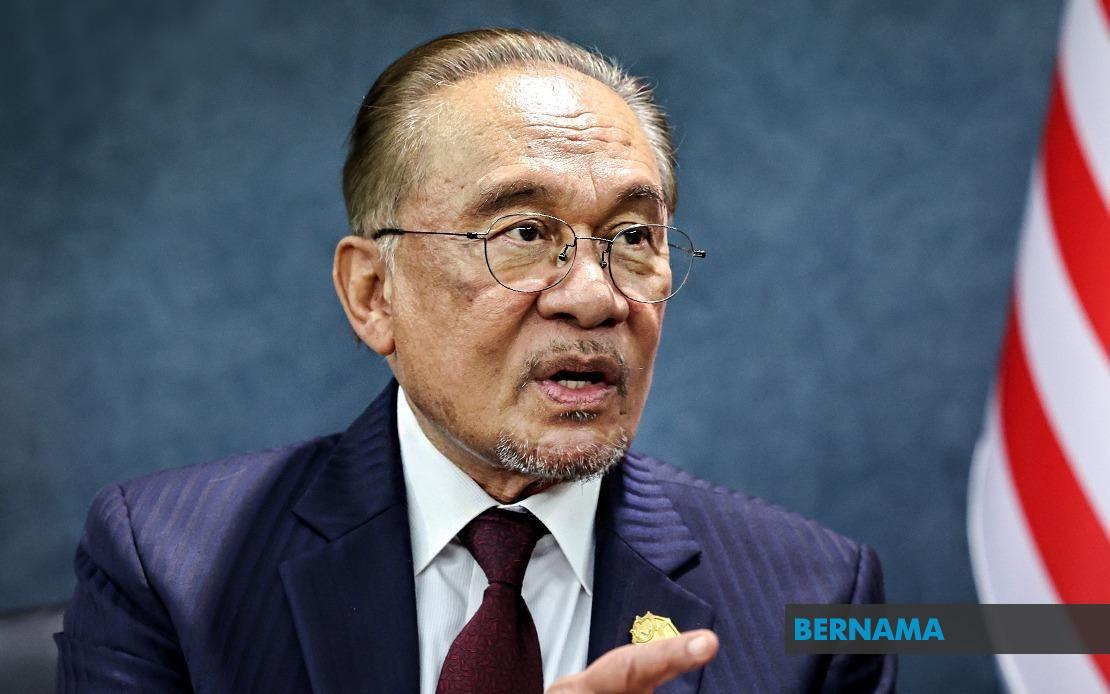
Prime Minister Datuk Seri Anwar Ibrahim extended his congratulations to Senator Datuk Nur Jazlan Mohamed following the latter's reappointment as Deputy Senate President for a second consecutive term. The acknowledgement came during Question Time proceedings at the Dewan Negara, Malaysia's upper parliamentary chamber, on July 20. Nur Jazlan's reappointment underscores his continued influence within government circles and the confidence placed in him by the administration to serve in a senior legislative role.
The ceremony saw both Nur Jazlan and fellow Senator Musoddak Ahmad taking their respective oaths of office before Senate President Datuk Awang Bemee Awang Ali Basah. The Prime Minister seized the opportunity to recognise both appointments within the formal parliamentary setting, publicly acknowledging their fresh mandates. Musoddak's concurrent reappointment reflects a broader pattern of continuity in the upper house's composition, suggesting stability in legislative leadership as Malaysia navigates ongoing governance challenges.
Nur Jazlan's elevation to a second term as Deputy Senate President carries particular significance given the Dewan Negara's role in legislative deliberation and constitutional matters. As the second-ranking official within the chamber, the Deputy President assumes responsibility for managing parliamentary business, presiding over debates when the Senate President is unavailable, and maintaining procedural order. His reappointment signals that government leadership views him as a steady hand in steering legislative agenda through the upper house.
The Senate, comprised primarily of appointed members rather than elected representatives, operates as an important institutional counterbalance within Malaysia's bicameral parliament. Appointments to senior positions such as the Deputy Presidency typically reflect careful political calculation and consideration of factional interests within the ruling coalition. Nur Jazlan's second-term continuity suggests he has maintained favour across multiple administrations and maintains relationships spanning different political entities within the government.
The formal nature of the congratulations during parliamentary Question Time elevates these appointments beyond routine administrative matters into the public discourse of governance. By publicly commending the reappointments, Anwar positioned the recognitions as significant developments worthy of parliamentary record. This public endorsement also serves to legitimise the appointments within the broader framework of institutional governance and signals the administration's commitment to maintaining experienced hands in senior legislative positions.
The upper house appointments occur against a backdrop of Malaysia's complex political landscape, where coalition management and institutional stability remain perpetual concerns. The Dewan Negara, though lacking the electoral mandate of the directly elected lower house, plays a crucial role in reviewing and refining legislation before it reaches final parliamentary passage. Senior appointments like those of Nur Jazlan therefore carry weight beyond mere ceremonial recognition, affecting how legislative business proceeds and how government policies are examined at the legislative stage.
Nur Jazlan's continuity in this role also provides institutional memory and procedural consistency during a period when Malaysia's political environment has witnessed considerable institutional transitions. The consistency offered by retaining experienced practitioners in senior legislative positions helps ensure smooth functioning of parliamentary operations and maintains established protocols for conducting legislative business. This stability extends to committee work and the various mechanisms through which the Senate conducts its constitutional responsibilities.
The Prime Minister's remarks, delivered in the formal context of parliamentary proceedings, also carry significance for how they frame the government's approach to legislative leadership. Anwar's public recognition of these reappointments emphasises the administration's preference for rewarding continuity and experience rather than pursuing wholesale institutional renovation. This approach suggests confidence in the existing administrative structures and senior figures managing legislative affairs.
While the primary focus of the Prime Minister's statement concerned the senatorial appointments, his subsequent observation about sporting achievements injected a lighter tone into parliamentary proceedings. Anwar noted his support for Spain following the hypothetical 2026 FIFA World Cup victory, a comment that briefly shifted the chamber's atmosphere from formal legislative business to casual conversation. Such interjections, while seemingly peripheral to governance matters, serve important functions in humanising parliamentary discourse and building camaraderie among legislators despite underlying political differences.
The reappointments underscore the importance placed on legislative continuity within Malaysia's institutional framework. As the government manages competing demands across multiple policy areas, maintaining experienced leadership within the Dewan Negara ensures that the upper house continues functioning effectively as an institution for legislative refinement and constitutional oversight. Nur Jazlan's second term and Musoddak's reappointment represent investments in institutional stability that extend beyond the immediate political cycle.
Looking forward, these reappointments establish a framework for sustained legislative engagement over the coming years. The Deputy Senate President's role, while often less visible than that of parliamentary spokespeople or cabinet ministers, carries substantial responsibility for parliamentary functioning. Nur Jazlan's continued tenure in this position positions him to implement procedural improvements and maintain institutional standards across multiple parliamentary sessions. Similarly, Musoddak's reappointment ensures continuity in Senate operations across diverse subject matter areas requiring senatorial engagement.

