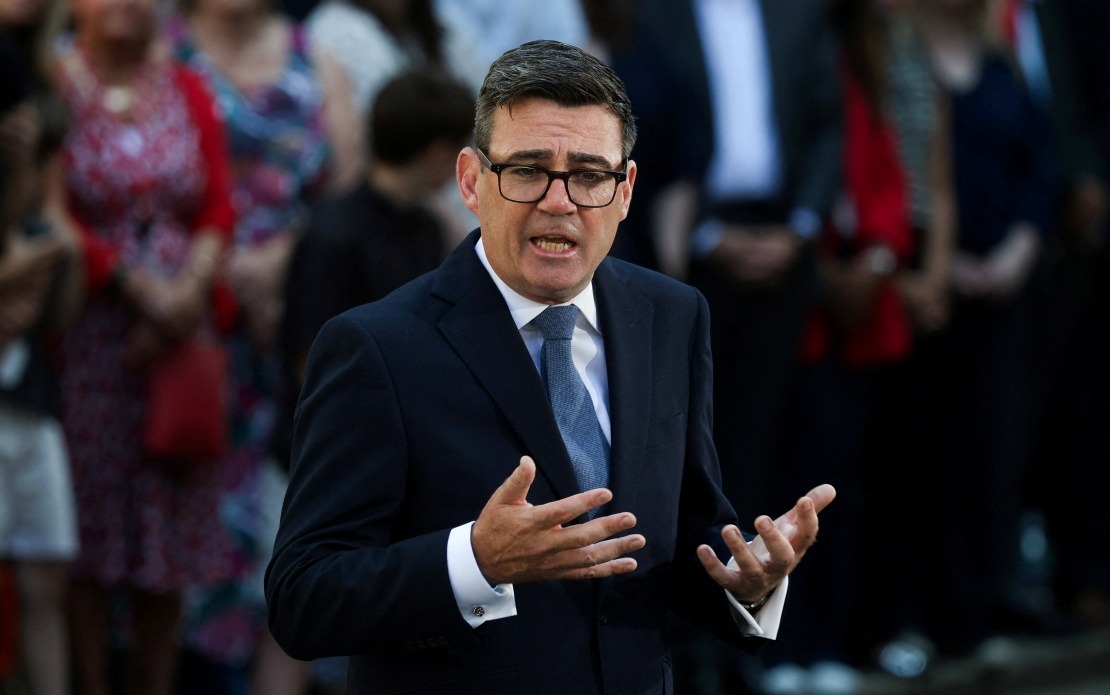
Prime Minister Datuk Seri Anwar Ibrahim has extended formal congratulations to Andy Burnham following his appointment as the United Kingdom's new Prime Minister, signalling Malaysia's readiness to deepen engagement with the Labour-led government. In a statement shared on social media, Anwar expressed optimism about working alongside Burnham to advance shared interests between the two nations, underscoring the strategic importance Malaysia places on its relationship with Britain during a period of significant change in London's political leadership.
The Malaysian leader outlined an ambitious agenda for bilateral cooperation that reflects contemporary priorities shaping the global economy and security landscape. Among the immediate objectives are the completion of a Digital Trade Agreement and expanded collaboration in artificial intelligence, digitalisation, renewable energy, and defence partnerships. These initiatives represent a deliberate shift toward future-oriented engagement, moving beyond traditional frameworks to position Malaysia and the UK as innovation partners capable of addressing 21st-century challenges. The emphasis on digital and clean energy sectors aligns with both nations' broader commitments to sustainability and technological advancement, areas where Malaysia seeks deeper integration with developed economies.
Anwar also highlighted Burnham's public acknowledgment that Britain's initial handling of the Gaza crisis fell short of the moral standards expected of the Western world. The Prime Minister's recognition of this position carries particular weight in the Malaysian and broader Islamic context, where the Palestinian situation remains a deeply felt issue across society and government policy. Anwar framed this acknowledgment as representing the kind of moral clarity that has been conspicuously absent from much Western discourse on the conflict, suggesting that a more balanced and principled approach from Britain could open pathways for stronger engagement with Muslim-majority nations, including Malaysia.
The timing of Anwar's outreach is strategically significant given that 2025 will mark seven decades of Malaysia-UK diplomatic relations. This milestone offers both governments a natural opportunity to reassess their partnership and chart a renewed course that reflects contemporary realities rather than cold war-era frameworks. For Malaysia, strengthening ties with a major Western economy that demonstrates willingness to engage on human rights and justice issues carries both symbolic and practical advantages, particularly as regional powers seek to build coalitions that balance influence between traditional Western partners and rising Asian economies.
Anwar's statement also included recognition of outgoing Prime Minister Keir Starmer, whom he credited with contributing meaningfully to the advancement of Malaysia-UK cooperation during his tenure. This gracious acknowledgment reflects diplomatic protocol but also underscores the continuity Malaysia expects in bilateral relations regardless of changes in British leadership. The transition from Starmer to Burnham occurred rapidly within the Labour Party, with Burnham assuming the leadership position on Friday before his formal appointment as Prime Minister on Monday, following Starmer's submission of his resignation at Buckingham Palace.
The appointment of Burnham marks the seventh change in British Prime Ministers within a decade, a frequency that underscores the volatility and internal divisions characterising British politics in recent years. For Malaysia and other Commonwealth nations, this instability presents both challenges and opportunities. The rapid turnover in leadership complicates relationship-building efforts and requires continuous engagement to maintain continuity in bilateral agreements and strategic understanding. Conversely, each new administration offers opportunities to reframe partnerships and advance specific Malaysian interests that may not have received sufficient attention under previous governments.
Burnham's background as a Labour politician and his previous roles in government provide some continuity in policy direction, particularly regarding Britain's approach to social democracy and international development. However, the specific policy priorities and personal relationships he brings to the premiership remain to be fully clarified. Malaysia's proactive engagement through Anwar's congratulatory message positions the country favourably to shape how Burnham's government views the Commonwealth and its Asian partnerships, particularly during the critical early weeks of his administration when priorities are being established.
The focus on a Digital Trade Agreement reflects Malaysia's strategic positioning within the digital economy. As a nation with significant technology sector ambitions and growing digital infrastructure, Malaysia benefits considerably from partnerships with established technology leaders like Britain. A trade agreement that reduces barriers to digital services, facilitates data flows, and harmonises standards could substantially accelerate Malaysian digital enterprises' access to British and European markets. This aligns with Malaysia's broader economic diversification strategy, which seeks to reduce dependence on traditional manufacturing and commodity exports.
The emphasis on artificial intelligence collaboration carries particular relevance as nations worldwide grapple with developing governance frameworks for AI development and deployment. Malaysia and the UK could potentially share expertise and best practices in establishing regulatory approaches that encourage innovation while protecting workers, consumers, and society from potential harms. Cooperation in this domain positions Malaysia as an active participant in shaping global AI governance rather than merely adopting standards established elsewhere.
Clean energy and defence partnerships represent complementary areas of engagement reflecting both nations' strategic interests. Malaysia possesses substantial renewable energy potential and is committed to transitioning away from fossil fuels, creating opportunities for British expertise in green technology and financing mechanisms. Defence cooperation, meanwhile, carries regional implications given the security challenges in Southeast Asia, including maritime security concerns in the South China Sea. Closer Malaysia-UK defence ties could strengthen regional stability and provide Malaysia with access to advanced military technologies and strategic intelligence sharing.
The overall tenor of Anwar's approach suggests Malaysia views the Burnham government as potentially receptive to engagement on issues of human rights, justice, and balanced development that resonate beyond narrow commercial interests. By commending Burnham's moral clarity on Gaza while simultaneously advancing pragmatic economic and security cooperation, Anwar demonstrates sophisticated diplomatic positioning that seeks to align Malaysia's values with its strategic interests. This approach may prove particularly effective with a Labour government that traditionally emphasises international development and human rights alongside economic growth.
Looking forward, the success of Malaysia-UK relations under Burnham will depend on both sides following through on the ambitious agenda outlined in Anwar's statement. The Digital Trade Agreement requires substantial negotiation across multiple sectors, while AI collaboration demands institutional partnerships between research institutions and technology companies in both countries. Defence cooperation will require navigating the complex geopolitical environment of Southeast Asia and ensuring that British engagement contributes to regional stability rather than exacerbating tensions. The approaching 70th anniversary of diplomatic relations provides an important moment for both nations to demonstrate their commitment to partnership, with concrete deliverables that demonstrate the relevance of their relationship to contemporary challenges.

