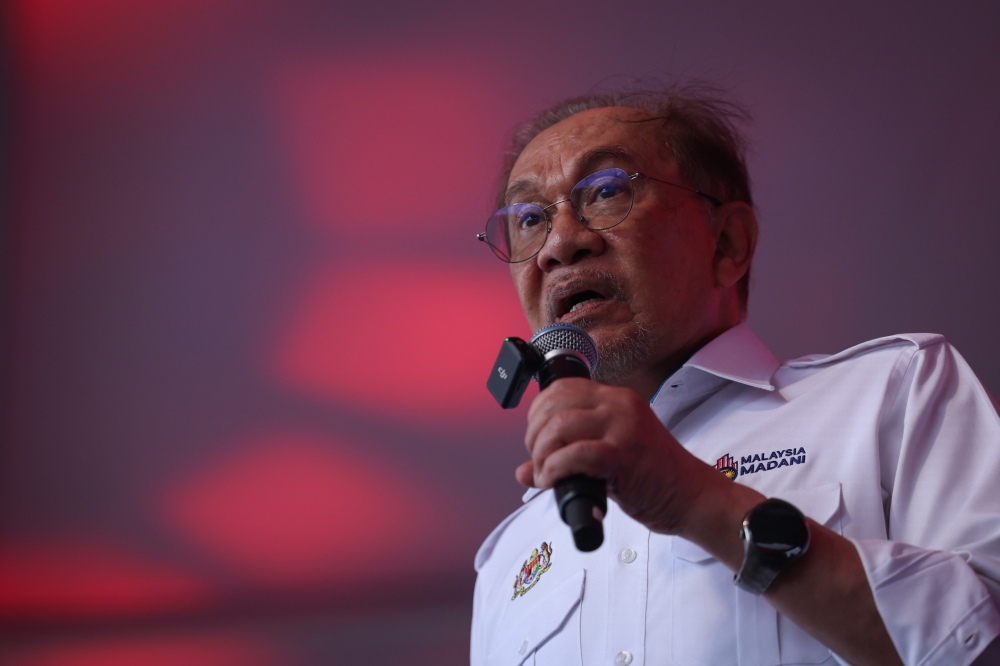
Prime Minister Datuk Seri Anwar Ibrahim launched a sharp rebuke at the opposition Perikatan Nasional, accusing the coalition of ignoring the plight of Tabung Haji depositors when multiple opposition parliamentarians abandoned the parliamentary chamber during a debate on the Tabung Haji Royal Commission of Inquiry. The walkout during what should have been a substantive discussion on the troubled pilgrimage fund's governance drew intense criticism from the government side, with Anwar suggesting that the departure demonstrated a lack of commitment to addressing the concerns of millions of ordinary Malaysians who have entrusted their savings to the institution.
The Tabung Haji crisis represents one of the most pressing financial challenges facing Muslim depositors in Malaysia, with the pilgrimage fund having faced severe liquidity problems and mounting losses over recent years. Established in 1963 as a dedicated savings mechanism to help Malaysians finance their hajj pilgrimage to Saudi Arabia, Tabung Haji has accumulated more than a million account holders, making it a critical financial institution for Malaysia's Muslim majority. The organization's deteriorating financial position has sparked widespread concern among depositors about the safety and accessibility of their funds, particularly those who have been saving for years to fulfill their religious obligations.
The Royal Commission of Inquiry into Tabung Haji's management and operations was instituted to investigate the root causes of the institution's financial distress and to identify those responsible for any mismanagement or impropriety. This formal inquiry carries significant weight in Malaysian governance, as RCI findings can lead to policy reforms, management changes, and potentially criminal or civil proceedings against individuals found to have breached their fiduciary duties. The parliamentary debate was designed to allow lawmakers from across the political spectrum to discuss the RCI's findings, share constituent concerns, and contribute to a national conversation about restoring public confidence in the institution.
The decision by Perikatan Nasional MPs to vacate their seats during this debate drew immediate condemnation from government backbenchers and coalition partners. Critics argued that the walkout sent a troubling message to depositors, many of whom have been anxiously awaiting clarity on their financial security and the government's commitment to resolving the crisis. For ordinary Malaysians struggling with the reality of depleted savings or delayed pilgrimage plans, the sight of opposition lawmakers leaving the chamber felt dismissive of their genuine hardship and financial anxieties.
Anwar's characterization of the walkout as evidence of Perikatan Nasional's indifference to depositor welfare underscores the political dimensions of the Tabung Haji crisis. While the opposition has articulated separate criticisms of government handling of the institution, the tactic of abandoning the debate allowed the government to frame them as unconcerned with the actual substance of the matter. This strategic miscalculation by the opposition has potentially strengthened the government's hand in the ongoing narrative about who genuinely cares about resolving the crisis and restoring the faith of depositors.
The Tabung Haji issue also intersects with broader concerns about accountability and transparency in Malaysia's public institutions. Whether funds are held by pilgrimage boards, sovereign wealth bodies, or other government-linked entities, questions about governance, risk management, and the protection of public assets remain central to democratic discourse. The RCI process represents an opportunity to establish clear accountability lines and implement safeguards that might prevent similar crises in the future. When opposition lawmakers disengage from such scrutiny, they risk appearing indifferent to fundamental questions of institutional integrity.
Tabung Haji's difficulties have been attributed to various factors, including prolonged periods of weak returns on investments, high administrative costs relative to assets under management, and significant impairment in its property portfolio. The institution has required government injections of capital to maintain operations, raising questions about sustainability and the adequacy of its business model for a modern financial environment. The RCI's findings are expected to provide forensic analysis of decision-making processes, investment strategies, and governance failures that contributed to this deteriorating position.
For Malaysian depositors, particularly those from lower-income backgrounds who view Tabung Haji as a secure savings vehicle, the institutional crisis has created profound anxiety. Many have limited alternative mechanisms for accumulating hajj funds and depend on Tabung Haji's administration. The psychological and spiritual dimensions of hajj performance in Islam add another layer to depositors' distress, as delays or uncertainties about fund access create both practical and emotional challenges for families planning pilgrimage journeys.
Anwar's intervention in the debate, framed as a defence of depositors against opposition negligence, reflects the government's attempt to position itself as the custodian of ordinary citizens' interests. Whether this narrative ultimately persuades voters will depend on whether substantive reforms emerge from the RCI findings and whether the government demonstrates genuine commitment to restoring Tabung Haji's financial health and governance standards. The political dimension of the crisis remains significant, but the human dimension—the genuine financial security concerns of millions of Malaysians—ultimately supersedes parliamentary theatrics and opposition tactics.

