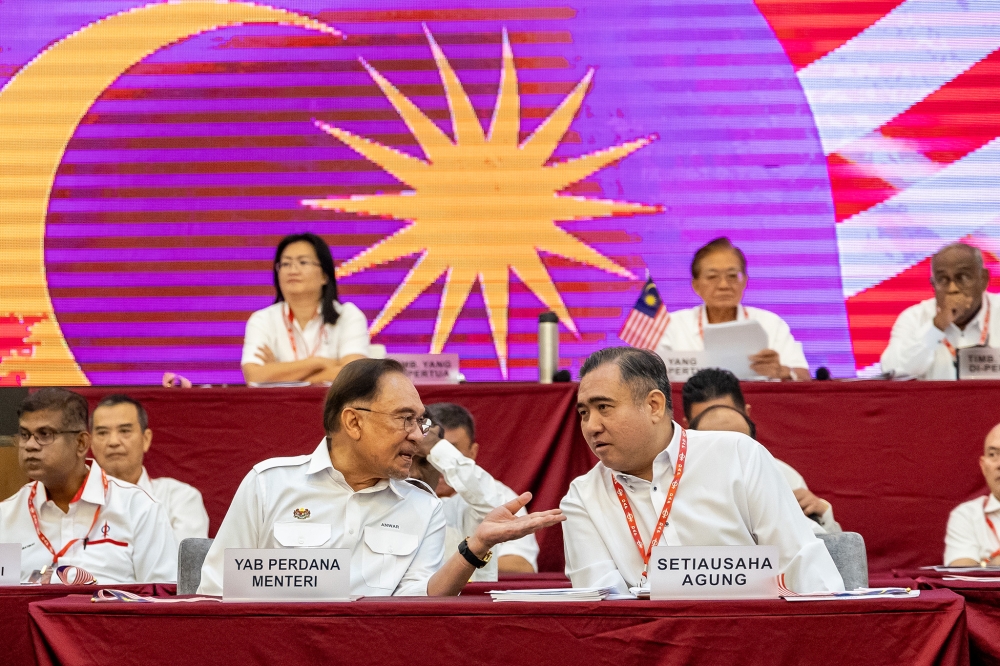
Prime Minister Datuk Seri Anwar Ibrahim has made a direct plea to the Democratic Action Party's Melaka branch to reverse its decision to exit the state government, arguing that the party should maintain its commitment and continue working until the next state election occurs. Speaking at Port Dickson, Anwar emphasised the importance of stability within the Pakatan Harapan coalition and urged DAP leaders in Melaka to reconsider their withdrawal announcement, which had come as a surprise to federal party leadership and coalition partners.
The Prime Minister's intervention reflects mounting concerns within the federal government about the implications of DAP's departure from the Melaka administration. Such a move would destabilise the ruling coalition at state level and send negative signals about the cohesion of Malaysia's ruling political alliance just as the country prepares for critical state and federal elections in the coming years. Anwar's appeal underscores the fragile nature of coalition politics in Malaysia, where managing diverse political partners across multiple states remains a persistent challenge for maintaining government stability.
Anwar's statement reveals the delicate balance that federal leadership must maintain when addressing internal coalition disputes. Rather than adopting a confrontational stance, the Prime Minister chose to frame his position as an appeal to party loyalty and shared responsibility to voters. This diplomatic approach reflects the reality that DAP, as one of the strongest components of the Pakatan Harapan coalition, holds significant leverage in any negotiation, and heavy-handed pressure could backfire by driving the party further away from the ruling alliance.
The DAP's withdrawal concerns stem from broader dissatisfaction within the party regarding its representation and influence in the Melaka state administration. The party had been part of the coalition government in Melaka following previous elections, but tensions over portfolio allocation, policy direction, and decision-making authority have accumulated over time. These underlying grievances represent the kind of structural problems that coalition governments frequently encounter when attempting to balance the interests and demands of multiple political parties with distinct ideological positions and voter bases.
For Malaysian readers following state-level politics, the Melaka situation exemplifies the ongoing challenges facing multiparty coalition governance. Melaka has been a particularly volatile state politically in recent years, with shifts in government control reflecting broader instability in the national political landscape. The loss of DAP from the state coalition would leave the remaining partners to govern with reduced parliamentary representation and fewer resources, potentially weakening the administration's effectiveness in delivering public services and development projects.
The timing of this dispute carries strategic significance given the electoral calendar. State elections remain uncertain in their scheduling across Malaysia, but ruling coalitions typically seek to consolidate positions and demonstrate stability before facing voters. A public withdrawal by a major coalition partner would contradict messaging about government effectiveness and unity, potentially damaging the coalition's electoral prospects. Anwar's intervention therefore serves not only immediate coalition management but also longer-term electoral considerations.
Southeast Asia's broader political context also matters here. Coalition governments have become more common across the region as no single party regularly achieves outright majorities, making Anwar's challenge reflective of similar difficulties faced by governments in countries including Thailand, Indonesia, and the Philippines. The skill with which leaders manage coalition tensions increasingly determines political durability and government effectiveness across Southeast Asia.
DAP's position carries additional weight given its electoral strength in urban areas and Chinese-majority constituencies. The party's presence in state governments lends legitimacy to the Pakatan Harapan coalition among specific voter demographics and demonstrates the alliance's commitment to inclusive, multiethnic governance. Loss of DAP representation in Melaka would reduce this symbolic value and potentially weaken Pakatan Harapan's standing in Chinese communities across other states.
The dynamics at play in Melaka also touch on federalism questions and the distribution of resources between state and federal governments. State-level administrations often feel that federal centre provides inadequate support or interference in decision-making, creating resentment among state coalition partners. DAP's grievances likely include frustrations over federal fund allocation, infrastructure investment prioritisation, and autonomy in managing state affairs — issues that resonate across Malaysian federalism debates.
Anwar's appeal to DAP represents an effort to resolve coalition tensions through dialogue rather than allowing them to calcify into permanent ruptures. The success of this approach remains uncertain, as DAP's leadership may feel that the party's concerns have been ignored for too long and that withdrawal represents the only means of securing meaningful concessions. The coming weeks will be crucial in determining whether the Prime Minister's intervention can persuade DAP to remain engaged or whether the party proceeds with its exit plans.
The broader implications extend beyond Melaka. How federal leadership addresses this dispute will influence the behaviour of other coalition partners facing similar frustrations, potentially setting precedent for future negotiations. If Anwar succeeds in retaining DAP's participation through dialogue and concessions, other parties may expect similar treatment. Conversely, if DAP withdraws despite federal appeals, remaining coalition members may grow emboldened to make their own exit demands.
Ultimately, the Melaka DAP situation illustrates the perpetual tension within coalition governance between maintaining stability and addressing legitimate partner grievances. Anwar's challenge involves finding creative solutions that acknowledge DAP's concerns while keeping the broader alliance intact — a balancing act essential to keeping Malaysia's complex multiparty system functioning effectively.

