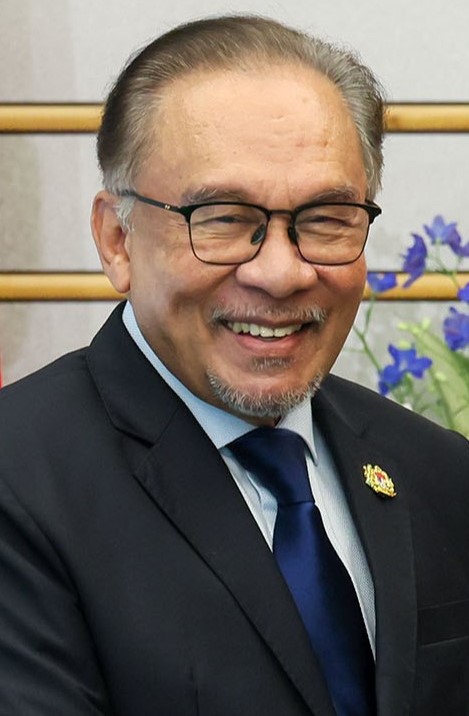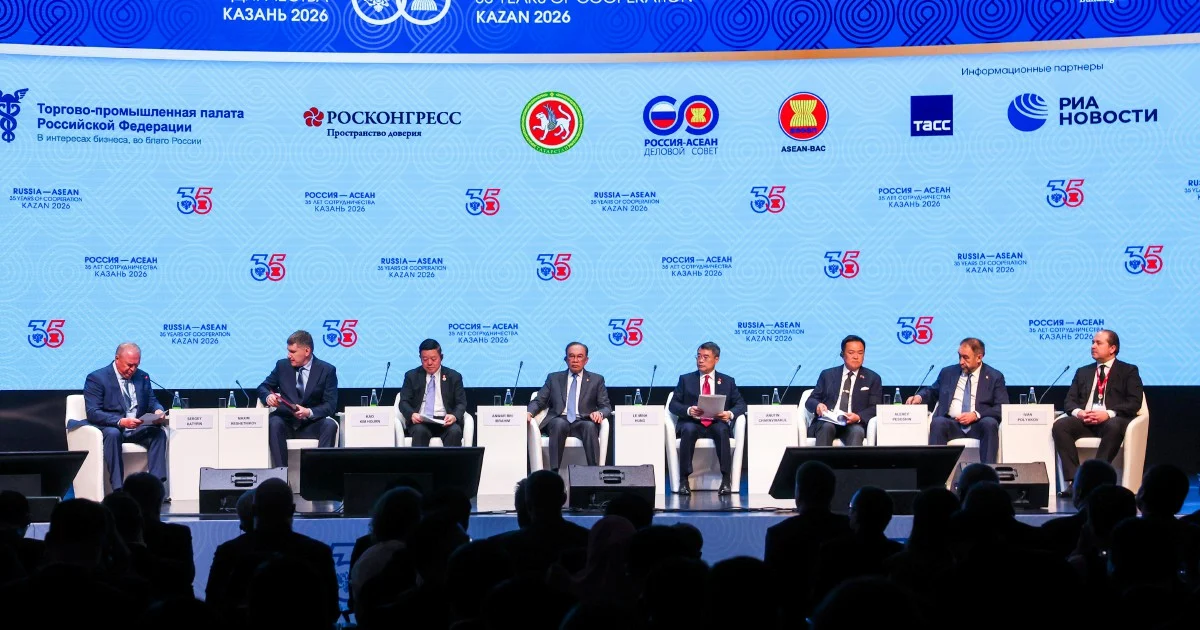
Prime Minister Datuk Seri Anwar Ibrahim has advocated for a substantial expansion of multilateral cooperation between the Asean bloc and Russia, emphasising strategic sectors that align with both regional and global economic priorities. Speaking in Kazan, Anwar outlined an ambitious agenda encompassing food security, energy resources, advanced manufacturing capabilities, digital innovation and educational advancement as critical pillars for deepened engagement.
The Malaysian premier's remarks reflect a calculated diplomatic approach at a time when Southeast Asian nations are carefully managing their international relationships amid geopolitical uncertainties. By positioning food security and energy as cornerstone issues, Anwar has highlighted the practical, tangible concerns that resonate with Asean populations grappling with inflation and resource vulnerabilities. For a region heavily dependent on food imports and energy supplies, partnership frameworks with major producers like Russia offer potential pathways to stabilise costs and secure supply chains.
Russia's agricultural output and energy reserves position it as a natural strategic partner for Asean economies facing supply-chain pressures exacerbated by global trade tensions. Malaysia and neighbouring countries have experienced cost-of-living pressures, making food price stability a domestic political imperative. Diversifying supplier relationships beyond traditional Western markets can provide negotiating leverage and reduce dependency on any single source, a principle central to Asean's non-aligned foreign policy tradition.
Anwar's inclusion of advanced manufacturing in the cooperation agenda addresses a key regional development priority. Southeast Asia seeks to attract and develop higher-value manufacturing operations to transition away from low-skilled assembly. Russian expertise in engineering, aerospace and defence manufacturing could catalyse technology transfers and industrial upgrading, particularly for nations looking to build indigenous manufacturing ecosystems. Such partnerships could create skilled employment opportunities and foster innovation hubs across the region.
The emphasis on digital technologies signals recognition that Asean's economic future depends on technological competitiveness. Russia possesses significant capabilities in software development, cybersecurity, artificial intelligence and telecommunications infrastructure. Collaborative initiatives in these sectors could accelerate digital transformation across Asean economies, from government digitalisation programmes to private-sector innovation. This is particularly relevant as Southeast Asian countries race to build digital economies competitive with East Asian peers.
Educational cooperation represents the human capital dimension of the proposed partnership framework. Student exchange programmes, research collaborations and institutional partnerships between Asean and Russian universities would deepen intellectual ties and cultivate long-term diplomatic relationships through person-to-person engagement. Such exchanges historically produce lasting networks of mutual understanding and influence among future leaders and professionals.
For Malaysia specifically, the Kazan address positions the country as a pragmatic bridge between Asean and Russia, reinforcing its self-appointed role as the bloc's diplomatic voice on matters requiring consensus-building. This approach enhances Malaysia's regional standing and provides opportunities for Malaysian businesses and institutions to serve as intermediaries in expanded bilateral and multilateral arrangements.
The timing of Anwar's statements reflects broader regional strategy. Asean nations have increasingly adopted a balancing act between major powers, declining to align exclusively with any single bloc. By proposing practical, commercially beneficial cooperation frameworks with Russia, Asean signals its independence from Western pressure while maintaining multiple partnerships. This hedging strategy has become essential as regional nations navigate complex security environments and pursue economic growth regardless of geopolitical alignments.
However, expanding Asean-Russia ties faces structural challenges requiring acknowledgment. Geographical distance necessitates significant infrastructure investment and logistical coordination to realise food and energy trade benefits. Regulatory harmonisation across diverse Asean economies complicates bilateral negotiations. Additionally, integration with global supply chains means that deepened Russian economic ties must be coordinated carefully to avoid tensions with existing Western trading partners critical to regional prosperity.
The energy sector cooperation holds particular significance for Southeast Asian growth trajectories. While many Asean nations invest in renewable energy transitions, oil and gas remain crucial interim energy sources. Russian energy expertise, combined with vast reserves, could support regional energy security during the transition period while contributing to economic stability in energy-dependent economies like Malaysia, Indonesia and Brunei.
Anwar's call for cooperation should be viewed within Asean's broader strategic context of economic diversification and resilience-building. The Covid-19 pandemic exposed vulnerabilities in concentrated supply chains and single-source dependencies. By advocating for expanded Russia partnerships, Asean leadership demonstrates proactive risk management and commitment to strengthening economic foundations.
Looking forward, translating Anwar's diplomatic proposals into concrete agreements and operational frameworks will require sustained engagement across governmental, academic and commercial sectors. Establishing functioning mechanisms for technology transfer, investment facilitation and knowledge exchange will determine whether these aspirations materialise into tangible benefits for Asean populations and economies.