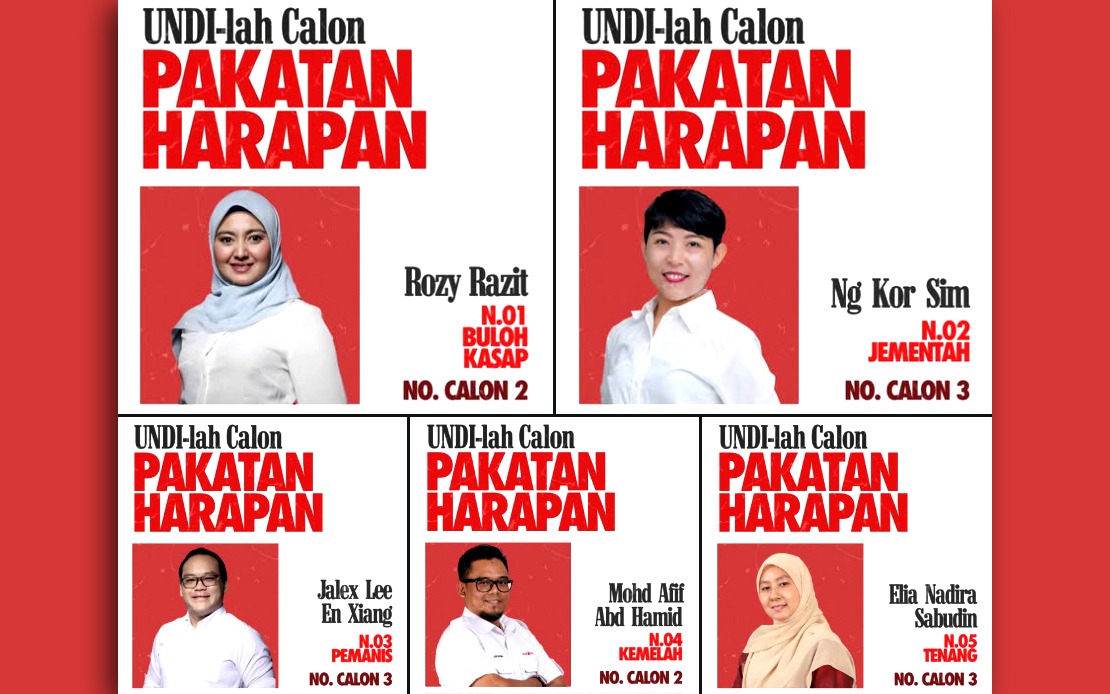
Prime Minister Anwar Ibrahim, leading Pakatan Harapan, has made an emotional appeal to Johor voters to entrust the opposition-turned-ruling coalition with the administration of Malaysia's southern state in the forthcoming election. In a message posted on social media on June 28, the PKR president sought the support of the electorate to give PH a fresh mandate to govern for the next five-year term, framing the vote as a critical moment for the state's direction.
The timing of Anwar's appeal comes as PH prepares for a significant electoral test in Johor, one of Malaysia's most politically consequential states. Johor has long been a BN stronghold, and any PH victory there would represent a substantial shift in the political landscape. The coalition has committed itself fully to contesting all 56 state assembly seats, signalling confidence in its ability to compete across the diverse constituencies that make up the state.
Anwar's message emphasised trust and accountability, pledging that if given the mandate, PH would discharge its responsibilities with full dedication and would honour the confidence placed in it by voters. The prime minister underscored that accepting a public mandate carries profound obligations, framing the election not merely as a political contest but as a solemn undertaking between government and governed. This language reflects PH's effort to position itself as a force committed to principled governance after its tumultuous experience in federal politics.
Invoking religious principle, Anwar referenced Verse 58 of Surah An-Nisa from the Quran, which addresses the importance of honouring trusts and administering justice fairly. This scriptural grounding reflects a broader strategy by PH to connect its political message to the moral and spiritual concerns of Johor's predominantly Muslim population. The invocation of Islamic principles serves to elevate the campaign beyond transactional politics, appealing to voters' sense of collective responsibility and ethical governance.
For Malaysian observers and regional analysts, the Johor election represents a crucial barometer of public sentiment regarding PH's federal performance. Since returning to power in 2022 after the dramatic upheaval of 2020, the coalition has faced mounting pressures from economic challenges, internal coalition tensions, and competition from both BN and newer political forces. A strong showing in Johor could consolidate PH's political position and provide momentum heading into future electoral contests, while a disappointing result might embolden critics and complicate federal governance dynamics.
The logistical framework for the election is now set, with voting scheduled for July 11 and early voting permitted on July 7. These dates provide a concentrated campaign window in which all political coalitions must mobilise their ground machinery and persuade undecided voters. The compressed timeframe intensifies competition for media attention and voter attention, making every public statement and campaign appearance strategically significant.
Johor's electoral composition presents complex challenges for any governing coalition. The state encompasses urban centres with younger, more fluid voter bases, alongside rural and semi-urban constituencies with deeper historical allegiances to traditional parties. PH's challenge involves building a coalition sufficiently broad to win a majority while maintaining ideological coherence across its diverse membership, which includes PKR, DAP, Amanah, and other component parties with sometimes divergent interests and priorities.
The coalition's decision to contest all 56 seats, rather than selectively concentrating resources, reflects confidence in its ground organisation but also inherent risk. Spreading resources thinly across all constituencies could leave PH vulnerable in marginal seats where determined local competition might prove decisive. Conversely, demonstrating presence across the state reinforces the message that PH is a serious contender capable of forming government, not merely a protest vote or regional player.
Anwar's personal intervention in the campaign signals the stakes involved and the coalition's determination to secure a significant victory. As prime minister, his appeal carries institutional weight, though it also exposes him personally to the political consequences should PH underperform. This personalisation of the campaign reflects modern Malaysian politics, where individual leaders' popularity often correlates directly with their party's electoral fortunes, for better or worse.
Regional implications of the Johor result extend beyond Peninsular Malaysian politics. A PH victory would alter the balance of power within ASEAN's second-largest economy and potentially influence federal-state dynamics across multiple constituencies. Conversely, a setback might reshape coalition mathematics in Parliament and create space for alternative political configurations to emerge, with consequences for economic policy, foreign relations, and regional stability.
The emphasis on fulfilling trust and upholding justice in Anwar's message suggests PH is attempting to reframe the election around principles of good governance and accountability. This positioning may resonate with voters fatigued by political instability and seeking competent administration, though critics might counter that campaign promises require validation through demonstrated performance rather than rhetorical appeals.

