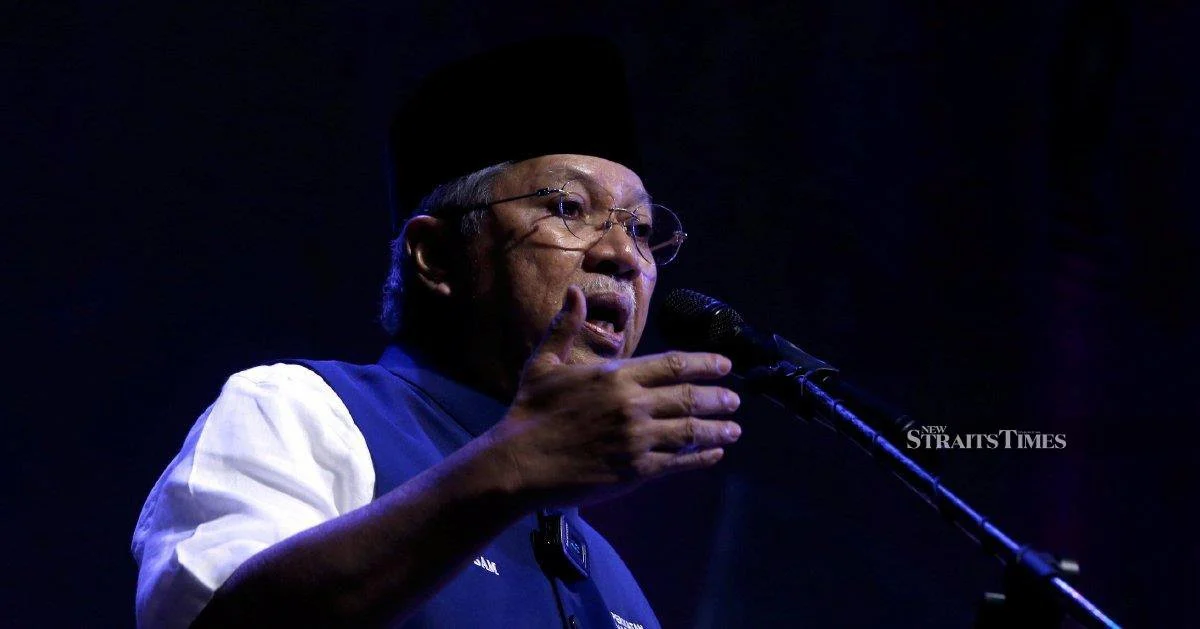
Bersatu has received a direct appeal to exercise patience and restraint as the Perikatan Nasional coalition navigates a period of internal strain that threatens the stability of the three-party alliance. The cautionary message comes at a time when friction between PN's constituent members has begun surfacing in public, raising questions about the coalition's ability to maintain unity heading into crucial parliamentary sessions and potential electoral movements.
The call for measured responses reflects growing concern among party leadership that hasty or inflammatory statements could accelerate fractures already evident within the coalition structure. Bersatu, which joined forces with PAS and Bersatu splinter group Amanah to form PN in 2019, has historically experienced internal power struggles that have threatened the broader alliance's cohesion. The party's pivotal role in Malaysian politics—holding multiple ministerial positions and considerable parliamentary votes—means its actions carry implications far beyond internal party management.
The timing of this appeal is particularly significant given the current political landscape. Parliament remains in session with several contentious matters pending legislative attention, and any demonstration of PN weakness could embolden opposition forces seeking to exploit coalition divisions. Additionally, speculation continues regarding the possibility of electoral contests, where internal harmony becomes essential for presenting a unified front to voters across traditional strongholds in states like Kedah, Perlis, and Terengganu.
Internal disputes within PN have previously centred on ministerial portfolios, policy direction, and the distribution of development allocations among member states. Bersatu's particular concerns often relate to preserving its institutional position relative to PAS, which has steadily consolidated influence within the coalition. The current tensions may reflect anxieties about resource allocation, decision-making authority, or disagreements over PN's political strategy moving forward.
Historically, Southeast Asian coalitions of this nature have proven fragile when component parties begin prioritizing internal disputes over collective objectives. Malaysia's own political history demonstrates how coalition breakdowns have precipitated sudden shifts in government composition, as occurred during previous periods of instability. PN members would recognise that appearing disunited domestically weakens their negotiating position with potential international partners and other domestic political actors.
The emphasis on avoiding premature public commentary suggests that behind-the-scenes negotiations may be advancing to resolve outstanding grievances. Quiet diplomacy often proves more effective than public confrontation in maintaining coalition frameworks, allowing parties to make concessions without losing face before their respective constituencies. Such backchannelmanœuvres typically precede formal public reconciliations or structural adjustments within alliances.
For Malaysian observers and regional analysts, the state of PN cohesion matters substantially. The coalition represents a particular ideological orientation and demographic coalition that has mobilised millions of votes. Its stability directly affects not only national parliamentary arithmetic but also the governance of several states where PN controls administration. Disruption to PN could trigger cascading political realignments that reshape the country's political landscape.
Bersatu's particular vulnerability in this context stems from its founder member status and historical record of internal factionalism. The party has experienced previous defections and internal purges that have tested its organisational capacity. Maintaining discipline among its membership during periods of coalition tension therefore requires active leadership communication emphasizing party loyalty and the strategic importance of preserving PN unity.
The broader message being conveyed through such calls for restraint is fundamentally about political maturity and strategic thinking. Rather than allowing emotions or temporary frustrations to drive public statements, party representatives are being encouraged to consider long-term consequences of their communications. In coalition politics, inflammatory remarks made during moments of tension often become permanent markers of discord, making future reconciliation more difficult.
Regional precedents suggest that coalitions which successfully navigate internal disputes typically establish clear communication protocols and conflict resolution mechanisms. PN appears to be reinforcing such disciplines now, signalling to both internal and external observers that member parties possess sufficient institutional maturity to manage disagreements without threatening the broader alliance structure.
The effectiveness of calls for restraint will ultimately be tested by how Bersatu members, particularly at grassroots and mid-tier leadership levels, respond over coming weeks. Should tensions escalate despite such appeals, or should public discord increase, observers will view it as a sign that PN's underlying divisions run deeper than current public posturing suggests, potentially warranting reassessment of the coalition's longevity.