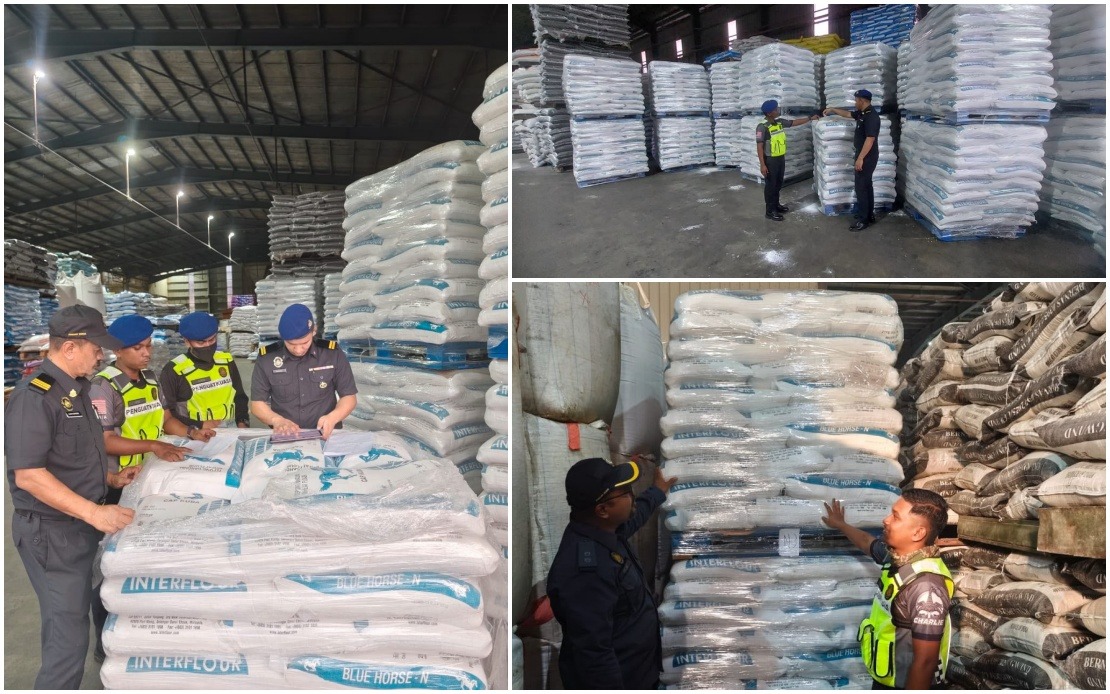
Enforcement officers from the Ministry of Domestic Trade and Cost of Living (KPDN) have moved against an animal feed processing operation in Kedah following discovery of flour stocks held without requisite regulatory approval. The raid, conducted at the Kuala Ketil Industrial Area facility, marks another instance of the government's intensified scrutiny of supply chain compliance across the manufacturing sector.
The operation unfolded on June 15 when four KPDN enforcement personnel arrived at the premises at approximately 4.30 pm. Upon inspection, the team identified substantial quantities of wheat flour that appeared to be integrated into the company's animal feed production cycle. The discovery prompted immediate seizure of the commodity pending further investigation into whether the materials had been appropriately sourced and documented.
Muhammad Nizam Jamaludin, the Kedah branch director of KPDN, confirmed the enforcement action in a statement released on June 16. According to his account, investigators found no evidence that the facility had secured the necessary authorization from the Supply Controller—a critical requirement under Malaysian regulations governing the storage and handling of controlled commodities. The factory manager, a 25-year-old local resident, could not produce documentary evidence of such approval when questioned by authorities.
The seized stockpile totalled 53,325 kilogrammes of flour with an estimated market value reaching RM100,251. For businesses involved in food processing, animal feed manufacturing, and related industries, this figure underscores the significant financial implications of regulatory non-compliance. The confiscation represents a substantial loss that extends beyond mere inventory depletion, potentially disrupting supply chains and production schedules for downstream operations reliant on this facility's output.
Investigators have initiated proceedings under Section 21 of the Control of Supplies Act 1961, legislation designed to regulate the distribution, storage, and allocation of essential goods. This statutory framework empowers authorities to prevent hoarding, diversion, or misuse of controlled materials—particularly those subject to government subsidies or price controls. The application of this act signals KPDN's determination to maintain the integrity of supply mechanisms that support affordable commodity pricing for consumers and fair competition among legitimate traders.
The timing of this enforcement action reflects broader government concern about the potential misuse of subsidised flour in commercial operations. By law, subsidized commodities must be tracked meticulously from point of origin through to authorized distribution channels and end-users. When manufacturers accumulate large stocks without proper permits, authorities view this as creating conditions for potential diversion to unauthorized markets or informal trading networks that could undermine pricing controls designed to protect consumers.
For the animal feed industry specifically, this incident carries implications beyond a single facility's temporary disruption. Manufacturers across Malaysia must ensure their procurement of raw materials complies with all regulatory requirements, including securing appropriate storage permits before taking physical possession of controlled goods. Non-compliance exposes operators to investigation, asset seizure, and potential prosecution—consequences that affect operational viability and market reputation alike.
The episode illuminates the enforcement machinery now actively monitoring supply chains across multiple industries. KPDN has positioned itself as increasingly vigilant regarding commodity flows, particularly where subsidized inputs could potentially be diverted into unauthorized channels. Businesses that source materials subject to government controls must now exercise heightened diligence in documenting authorization, maintaining transparent records, and communicating clearly with regulatory bodies about their inventory positions.
Muhammad Nizam's statement that the authorities will apply firm action against parties found misusing or diverting subsidised goods serves as explicit notice that such violations carry serious consequences. The seizure and investigation framework represent not merely administrative inconvenience but potential criminal liability, making regulatory compliance integral to operational strategy rather than a peripheral administrative function.
For regional manufacturing hubs like Kuala Ketil, which hosts numerous small and medium-sized enterprises, this development emphasizes the necessity of clear understanding about regulatory obligations before commencing operations involving controlled materials. Facility managers and business owners must proactively verify permit requirements, navigate authorization processes, and maintain documentation demonstrating ongoing compliance throughout storage and usage periods.
The case also reflects how government price-control mechanisms depend fundamentally on enforcement vigilance. Subsidies designed to maintain affordable flour prices reach consumers effectively only when supply chains remain intact and materials flow through authorized channels. Unauthorized storage or potential diversion short-circuits this intention, potentially creating artificial scarcity or enabling price arbitrage that ultimately harms the intended beneficiaries of subsidy programs.
Going forward, businesses engaged in food processing, animal feed manufacturing, or related sectors should review their current material procurement practices to verify alignment with KPDN requirements. Securing explicit written authorization before taking delivery of controlled commodities represents essential risk management, protecting against unexpected seizures, financial losses, and reputational damage that can extend far beyond the immediate enforcement action.