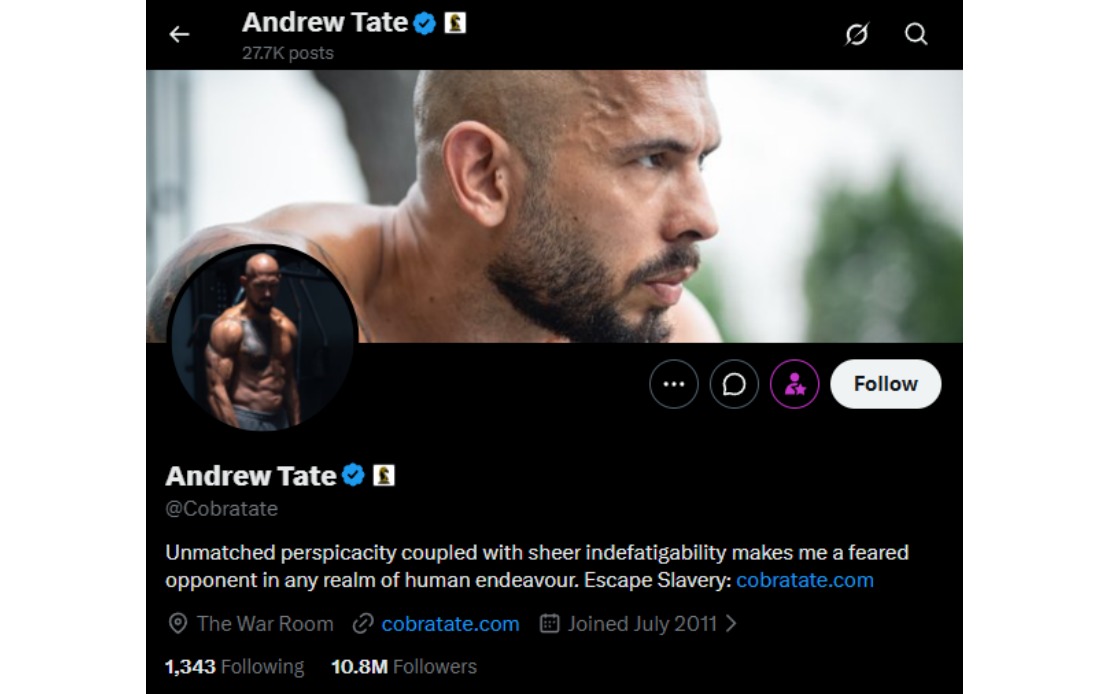
The contentious online figures Andrew Tate and his sibling Tristan were taken into custody in Miami on Saturday, marking a significant escalation in a case that has drawn international attention and sparked wider conversations about content moderation and online influence. The arrest came shortly after the United Kingdom's Crown Prosecution Service formally announced new charges against the pair, signalling the extension of legal proceedings across jurisdictional boundaries—a development that underscores the increasingly transnational nature of serious criminal allegations involving prominent digital personalities.
The US Marshals Service verified that the brothers had been apprehended in the Florida city, according to reporting by ABC News as cited by Anadolu Ajansi. This intervention by American federal authorities demonstrates how allegations of international scope necessitate coordination between law enforcement agencies across different nations, particularly when extradition and prosecution frameworks come into play. The brothers, who had previously cultivated substantial followings through social media platforms, now face a legal reckoning that extends beyond any single jurisdiction.
The Crown Prosecution Service's decision to pursue additional charges reflects an ongoing investigation into allegations involving sexual violence and human trafficking. Such charges typically require extensive evidence gathering and witness testimony before proceeding to formal prosecution. The timing of the arrest suggests that British authorities had coordinated with their American counterparts to ensure apprehension once sufficient legal grounds had been established. This institutional response demonstrates how serious allegations involving exploitation trigger coordinated international law enforcement action.
For Malaysian and Southeast Asian observers, this case carries particular resonance given the region's growing digital ecosystem and the influence wielded by international online personalities. Many young people across Malaysia and the broader region consume content from global influencers, making questions of accountability and responsibility for those with substantial digital reach increasingly pertinent. The case highlights the potential consequences when individuals leverage online platforms in ways that allegedly cause real-world harm.
The arrest also raises important questions about how social media platforms moderate content and account for the conduct of their most influential users. When high-profile personalities face serious criminal allegations, the business relationships and content moderation decisions of platforms become subjects of public scrutiny. Several major platforms had already distanced themselves from the Tates following earlier controversies, illustrating how reputational damage and legal jeopardy can converge to diminish an individual's digital footprint and earning potential.
The intersection of online fame and criminal allegations presents a complex challenge for authorities worldwide. The brothers had cultivated a persona centred on contentious views about gender and wealth accumulation, generating significant engagement and controversy. That notoriety, while financially lucrative through various digital channels, has not shielded them from prosecution. Instead, their prominence may have intensified scrutiny from law enforcement and the public, accelerating investigative processes and ensuring broader awareness of allegations.
For Malaysia's regulatory and policy environment, this development provides instructive lessons about the governance of digital spaces and international cooperation frameworks. As Southeast Asian nations grapple with questions of how to regulate online content and protect citizens from exploitation, the mechanisms by which multinational law enforcement efforts operate become more relevant. The coordination evident in the Tates' arrest illustrates existing pathways for pursuing accountability even when alleged crimes involve multiple jurisdictions and digital platforms that operate globally.
The charges of rape and sex trafficking represent among the most serious allegations that can be pursued in any legal system. Such investigations typically involve sensitive evidence collection, survivor testimony, and complex forensic work. The fact that British prosecutors deemed sufficient evidence available to file charges internationally demonstrates the substantive nature of their investigation. The arrest in the US ensures that the brothers remain within reach of American legal processes while extradition matters potentially proceed in parallel.
The case underscores a broader pattern in contemporary society where digital fame and influence, while potentially lucrative, do not guarantee immunity from legal consequences. High-profile arrests generate substantial media attention and public discourse, shaping broader conversations about accountability, online responsibility, and the ethical obligations of those who wield significant audience influence. These conversations have particular urgency in rapidly digitalising societies like Malaysia, where content consumption patterns and influencer culture continue to expand.

