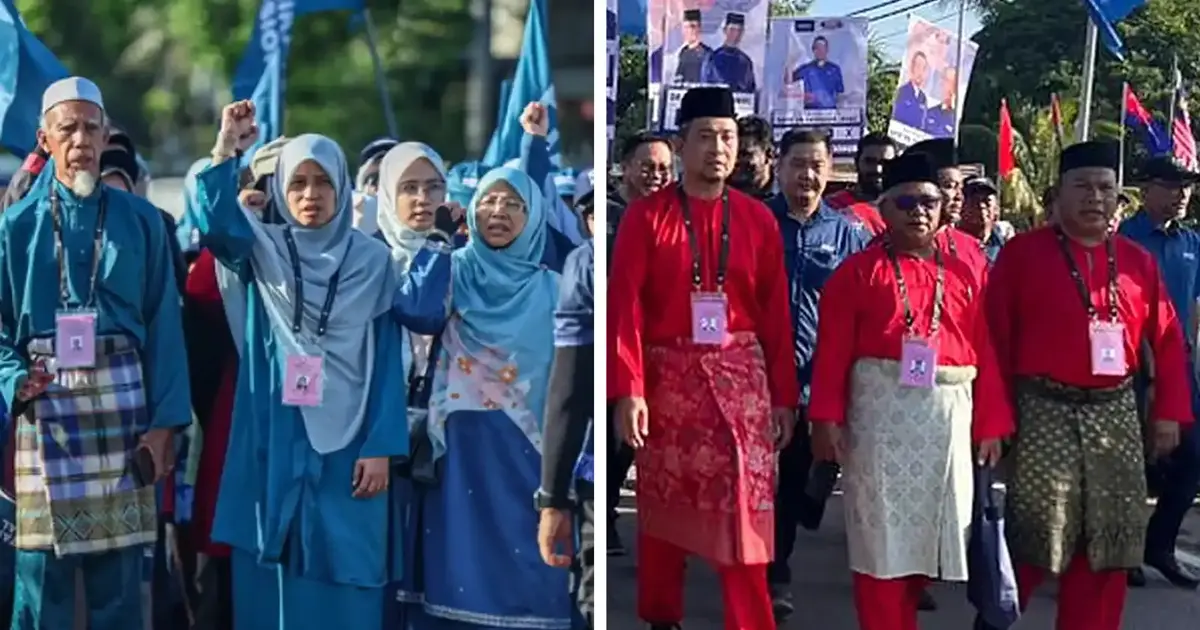
As Johor prepares for its state election, the ongoing rupture between PAS and Bersatu within the Perikatan Nasional coalition poses a substantial risk to the bloc's electoral performance, according to political analysts monitoring the campaign dynamics. The fragmentation within Malaysia's third-largest political coalition threatens to create confusion among voters already fatigued by instability at the national level, potentially shifting momentum toward rival camps seeking to capitalize on public discontent with perceived disunity.
The split between the two Perikatan Nasional partners reflects deeper ideological and strategic divergences that have surfaced repeatedly over the past two years. PAS, traditionally rooted in Islamic-based governance frameworks, and Bersatu, which emerged from a faction of the United Malays National Organisation, have struggled to maintain alignment on key policy positions and resource allocation. These fractures have become increasingly visible to the electorate, raising questions about the coalition's ability to present a coherent governing vision should voters grant them a mandate in Johor.
Political analysts emphasize that voter confidence hinges significantly on perceiving parties as unified and capable of delivering on promises. When internal divisions become public spectacles, as has occurred with PAS and Bersatu's repeated disputes, the electorate often interprets such conflicts as indicators of poor organizational governance and questionable leadership cohesion. In Johor specifically, where strategic positioning between Pakatan Harapan and Barisan Nasional has historically been competitive, a weakened Perikatan Nasional presents an opening for opposition groups to attract swing voters skeptical of fragmented coalitions.
The timing of this internal discord compounds the electoral challenge for both parties. Campaigns require sustained messaging and coordinated grassroots mobilization—elements that become significantly more difficult when campaign machinery must navigate competing party narratives and conflicting strategic priorities. Candidates fielded under a visibly divided banner frequently encounter voter skepticism about which party faction actually holds decision-making authority, thereby reducing their persuasive effectiveness on doorsteps and in community forums.
Historical precedent in Malaysian electoral politics demonstrates that coalition fragmentation typically translates into reduced vote share relative to unified competitors. Voters facing choices between fractured alliances and more cohesive blocs tend toward the latter, viewing unified coalitions as possessing superior organizational capacity and clearer mandates. The Johor campaign may serve as a test case for whether Perikatan Nasional can overcome its internal contradictions or whether the split becomes an insurmountable obstacle to competitive performance.
The broader regional implications extend beyond Johor's borders. A weakened Perikatan Nasional performance in Malaysia's second-largest state by population could reverberate through the party system nationally, potentially affecting calculations about coalition viability heading into future general elections. Other states with comparable political dynamics may observe how Johor voters respond to divided campaigning, potentially influencing their own electoral calculus and shifting inter-coalition relationships across the peninsula.
For PAS, the campaign fragmentation complicates efforts to maintain its expanded electoral base developed since 2018, when the party substantially increased its parliamentary representation. The party must simultaneously defend existing support while preventing defection to unified Barisan Nasional alternatives. Bersatu, already facing internal governance challenges and questions about its long-term viability as an independent political force, risks further marginalization if the Perikatan split prevents it from demonstrating electoral relevance in a major state contest.
The dynamics within Perikatan Nasional reflect broader structural challenges facing Malaysian coalition politics. Building durable multi-party alliances requires sustained compromise on policy implementation and resource distribution—commitments that become increasingly difficult when parties maintain distinct organizational identities and competing leadership hierarchies. The PAS-Bersatu relationship exemplifies these tensions, where ideological differences and power-sharing disputes repeatedly override electoral incentives for unified presentation.
Voter behavior research suggests that campaign messaging becomes less effective when transmitted through divided party structures. Conflicting signals about coalition priorities, leadership direction, and policy commitments create cognitive dissonance among audiences attempting to evaluate whether supporting the fragmented alliance serves their interests. In Johor's case, this dynamic could prove particularly consequential given that many constituencies feature three-way competitive contests where split opposition support benefits well-positioned third parties.
The window for PAS and Bersatu to repair their public coalition image before the official campaign period remains narrow. Leadership must decide whether continued fragmentation serves their respective organizational interests or whether electoral survival demands temporary unity presentations. Previous attempts at reconciliation have proven ephemeral, suggesting that fundamental disagreements extend beyond surface disputes to questions about the coalition's foundational purpose and strategic direction.
Election observers will closely monitor how Johor voters ultimately respond to the divided Perikatan Nasional campaign. Strong performance despite internal divisions would suggest that Malaysian voters prioritize other factors above coalition cohesion, potentially validating continued fragmentation. Conversely, poor electoral results would confirm analyst predictions that visible disunity undermines voter confidence and translates directly into reduced support. Either outcome will carry significant implications for Malaysian coalition politics heading into subsequent electoral cycles and influence calculations about whether fragmented alliances remain viable political strategies.

